Hair loss medication
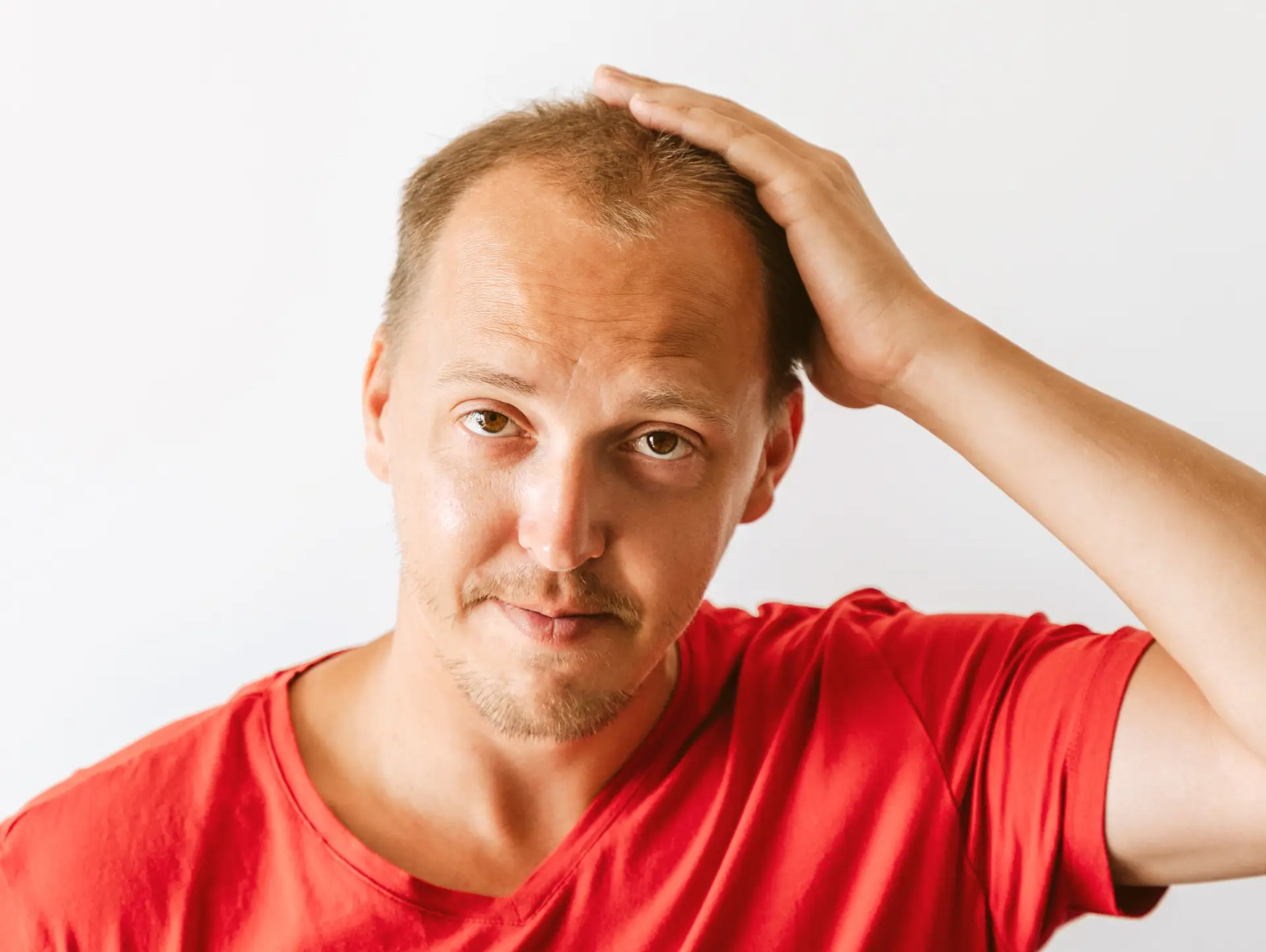
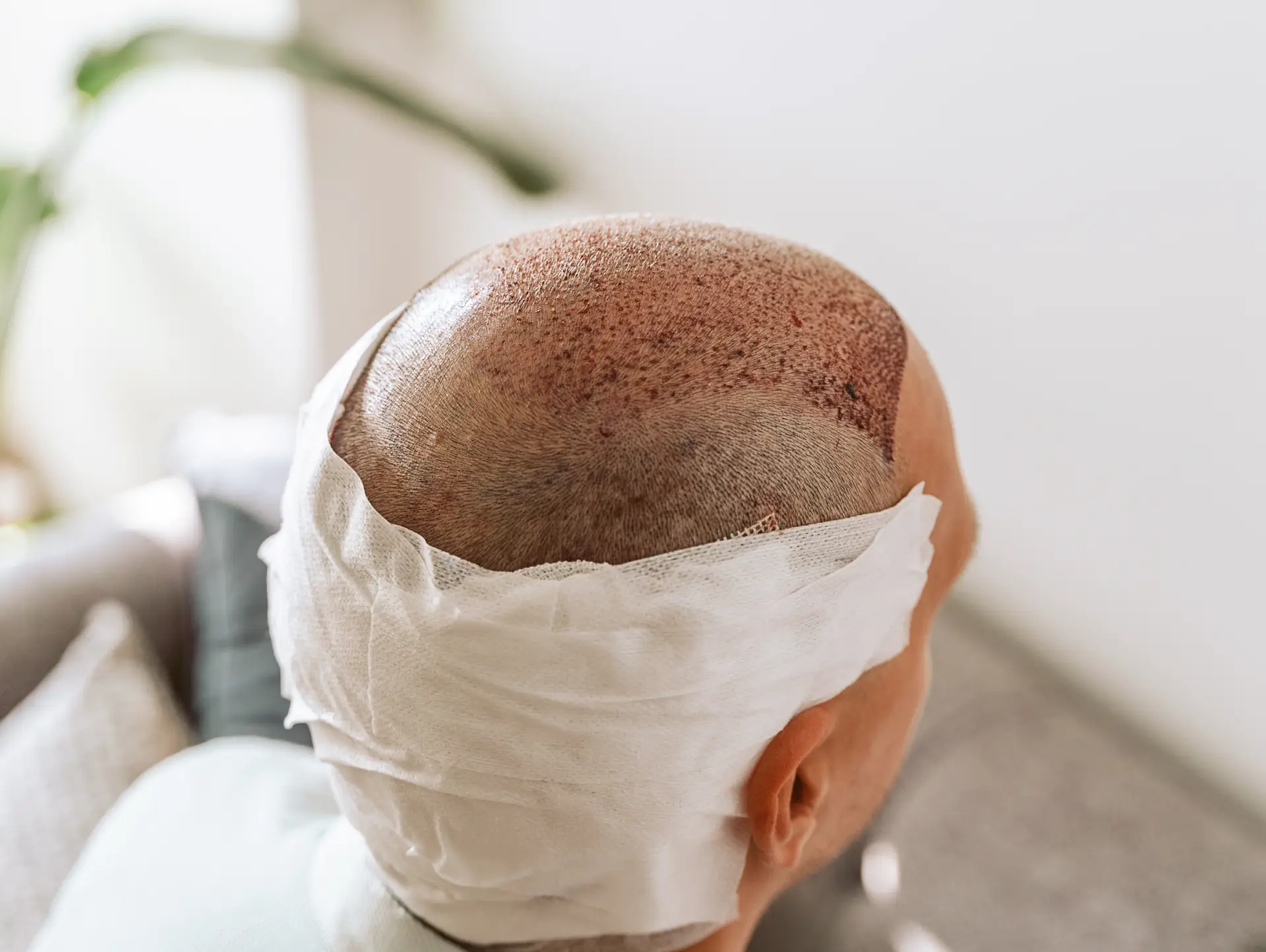
While hair surgery is a powerful solution, non-invasive topical or oral hair loss medications may support new hair growth and boost the effects of surgical procedures.
Reviewed by Dr Epameinondas Bonaros, GMC-registered (7566786).
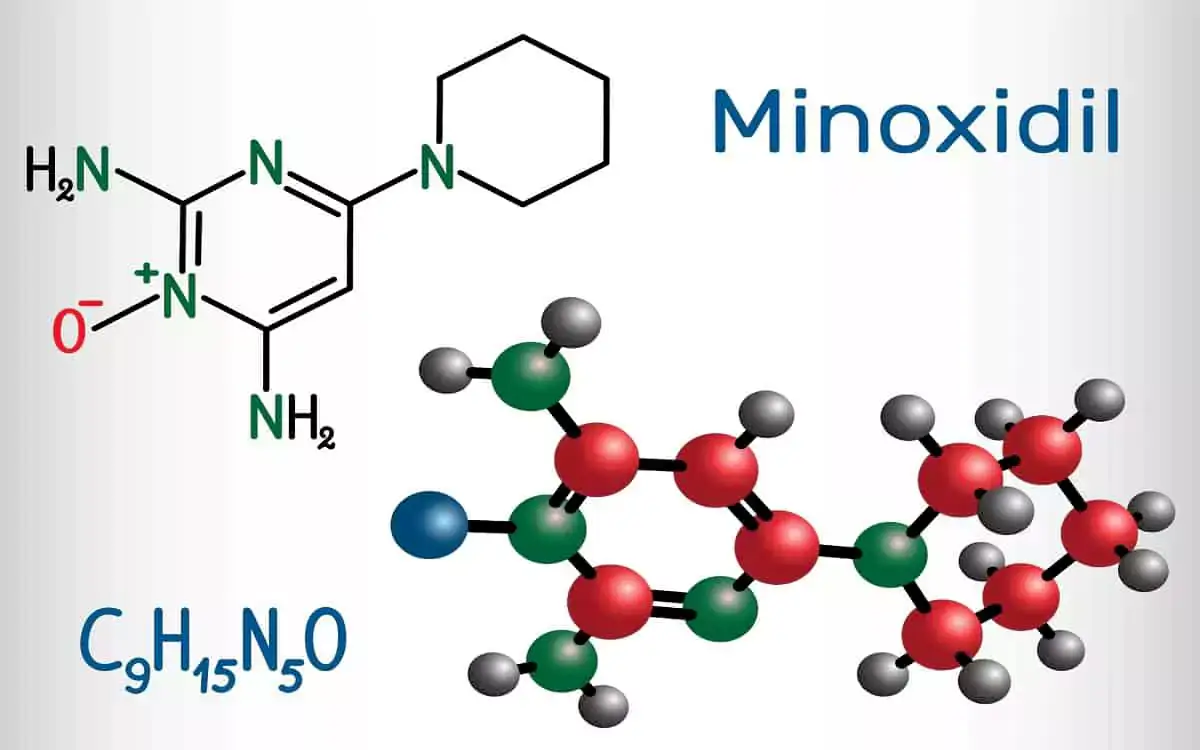
Originally formulated as an antihypertensive agent to treat high blood pressure, minoxidil gained attention for an unexpected side effect. It caused generalised hypertrichosis, an excessive growth of body hair.
This phenomenon sparked the exploration of minoxidil's potential as a male and female pattern baldness medication. Presently a licensed over-the-counter medication in the UK and FDA-approved in the US, minoxidil is available as a topical solution for both women and men, coming in various forms from lotion to scalp foam. Minoxidil is the active ingredient in hair growth products such as Regaine, typically at a strength of 2% or 5%.
Low-dose oral minoxidil is also a prescription-only alternative to the topical solution in certain cases.
A review of 17 studies involving 634 patients found that oral minoxidil was effective for hair loss. It is especially effective for those who struggle with topical treatments.
Minoxidil is primarily used to treat androgenetic alopecia, but may also be recommended for other types of hair loss, including alopecia areata and traction alopecia.
It's important to note that minoxidil helps slow or prevent further hair loss, and while it may stimulate some regrowth in thinning areas, it generally cannot fully reverse hair loss.
Mechanism of Action
Minoxidil's exact mechanism of action is not entirely clear. It is theorised that minoxidil works by increasing blood flow to the scalp and hair follicles, thereby creating a more favourable environment for healthy, thick, strong hair to grow. However, results can vary, and ongoing use is required to maintain its benefits.
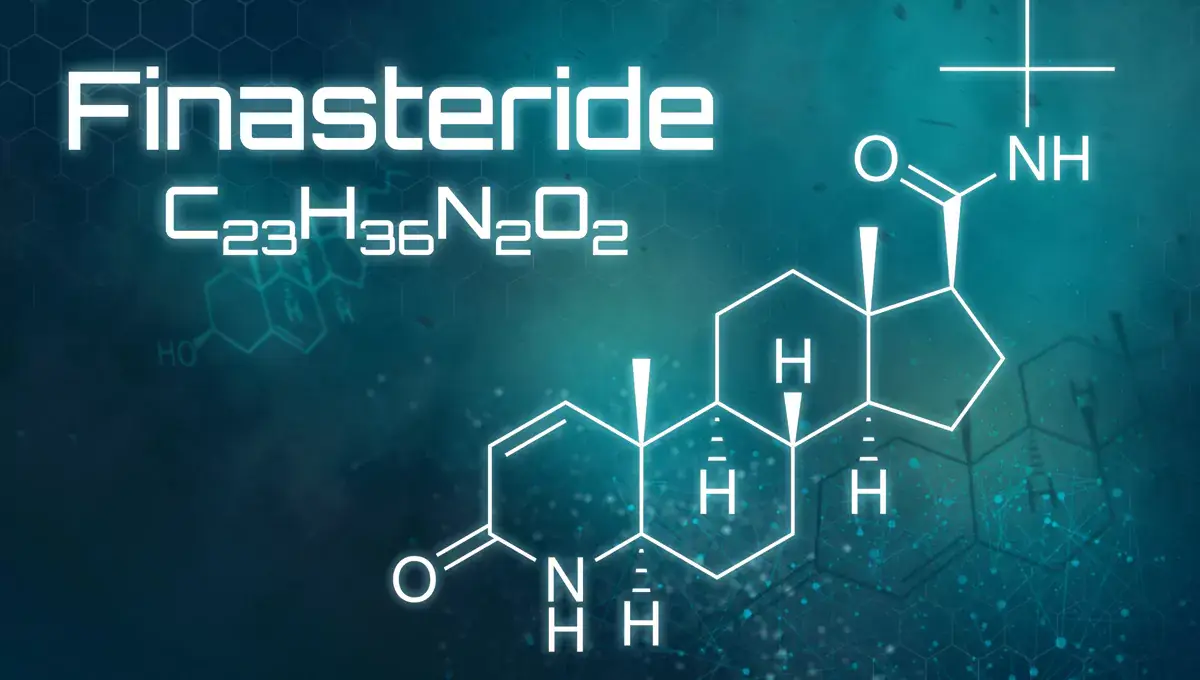
Finasteride was first developed as a treatment for benign prostatic hyperplasia, otherwise known as an enlarged prostate. It is the most thoroughly researched male pattern baldness medication.
Case Study: Combining Finasteride with Surgery.
Finasteride is available both as men's hair loss tablets and a topical solution in the UK. A 2021 review notes that some patients may experience sexual side effects or, rarely, mood changes. Always discuss potential short- and long-term impact with a specialist before starting treatment.
Due to its potential to disrupt fetal development, the use of this treatment is limited in women. It is typically reserved for specific cases involving post-menopausal women.
Finasteride is licensed in the UK and FDA-approved in the US for male pattern baldness.
Mechanism of Action
Dihydrotestosterone (DHT), an androgen produced from testosterone, is largely responsible for male pattern baldness. In men with a family history of hair loss, DHT binds to androgen receptors in hair follicles. This causes the follicles to shrink and die. The process can completely halt hair production.
The British Association of Dermatologists (2024) highlights that finasteride disrupts this process by attaching to and inhibiting the type II 5-alpha reductase enzyme. This prevents the conversion of testosterone into DHT, effectively reducing DHT levels and working to prevent further hair loss.
The mechanism of action of finasteride in women remains poorly understood. It is theorised that the drug promotes hair growth in women by increasing insulin-like growth factor-1 (IGF-1) production.
Dutasteride is the active ingredient of Avodart, a medication that is used in the treatment of benign prostatic hyperplasia. It is also used off-label to treat androgenetic alopecia in men, otherwise known as male pattern baldness.
A 52-week multicentre study found that daily dutasteride 0.5 mg was generally safe and well-tolerated, with mild side effects, including reduced libido. Participants showed improvements in hair growth, thickness, and overall appearance, supporting its use as a long-term treatment.
Dutasteride for women is not common as it can potentially disrupt fetal male sex organ development during pregnancy. For this reason, it's contraindicated in pregnancy in the UK and classified as category X in the US. Premenopausal women must use birth control, and pregnant women should avoid handling it due to skin absorption.
Mechanism of Action
Featuring a mechanism of action similar to finasteride, dutasteride is a 5-alpha-reductase inhibitor. While finasteride inhibits only type 2 5-alpha reductase, dutasteride inhibits both type 1 and type 2 5-alpha reductase.
This difference suggests that dutasteride may be more potent at reducing DHT. For people with male pattern baldness, reducing DHT levels helps protect hair follicles and slow the thinning process.
Along with finasteride and minoxidil, dutasteride stands as a potentially effective non-surgical option to treat thinning hair in men. However, determining the best treatment requires a professional consultation and evaluation.
Hair loss medications
When it comes to combating hair loss, tailored solutions are key. Finding the ideal hair loss treatment is a highly personal process, as the best approach depends on your age, the specific pattern of thinning, and the underlying cause — whether it's genetic, hormonal, or lifestyle-related. Your overall health and medical history are also critical factors in determining which medications will be both safe and effective for your unique situation.
Note: None of the information below constitutes medical advice.
Frequently Asked Questions
Explore more information about hair loss medication.
1. Androgenetic alopecia often stems from genetic susceptibility and hormonal changes. Androgens, particularly dihydrotestosterone (DHT), bind to androgen receptors in the hair follicles, causing them to shrink.
2. Another cause of hair loss can be an autoimmune disease. A common example of this is alopecia areata.
3. Stress, cancer treatment (like chemotherapy), chemical relaxers and other medications (such as those used to treat heart disease, arthritis and depression) can also cause you to lose hair.
While the best option for each patient may vary, finasteride and minoxidil are considered among the most effective licensed hair loss treatments in the UK.
Clinical studies have explored the effectiveness of a combined finasteride and minoxidil treatment, as well as their individual efficacy:
1. Minoxidil: A one-year study of topical minoxidil found that balding areas of the scalp were significantly smaller in 2.9% of patients, with hair loss stabilising in most patients.
2. Finasteride: By inhibiting DHT (which is responsible for follicle shrinkage), finasteride prevents the hair from thinning. A study on the effectiveness of long-term finasteride usage indicated that over 95% of men will experience a halt in further hair loss, and 66% will regrow some hair.
3. Dutasteride: While it is not licensed for hair loss in the UK, it is widely used for this purpose because it reduces DHT more effectively than finasteride. A 2024 review of the research found that dutasteride was slightly more effective than finasteride at stimulating new hair growth.
Ultimately, determining the best treatment for each individual patient requires a consultation with a specialist.
While effective for treating hair loss, the three main medications used can cause side effects in some people. These depend on the specific treatment and the individual, and many users experience none at all.
1. Minoxidil: The most common side effects reported by men and women from topical minoxidil use include contact dermatitis, scalp irritation and unwanted facial hair growth. Minoxidil is typically not advised for pregnant women.
2. Finasteride: Side effects that have been reported from patients taking finasteride include temporary hair shedding, low libido and erectile dysfunction.
3. Dutasteride: Similar to finasteride, dutasteride's potential adverse effects include sexual dysfunction, gynecomastia, depression and mood disturbances. Dutasteride may provoke adverse reproductive effects. In pregnant women, exposure to dutasteride, through treatments or broken capsules, can pose a risk to a male fetus.
After discontinuation of these hair loss treatment options, most unwanted side effects are resolved.
References
WhatsApp us