Hair transplant contraindications
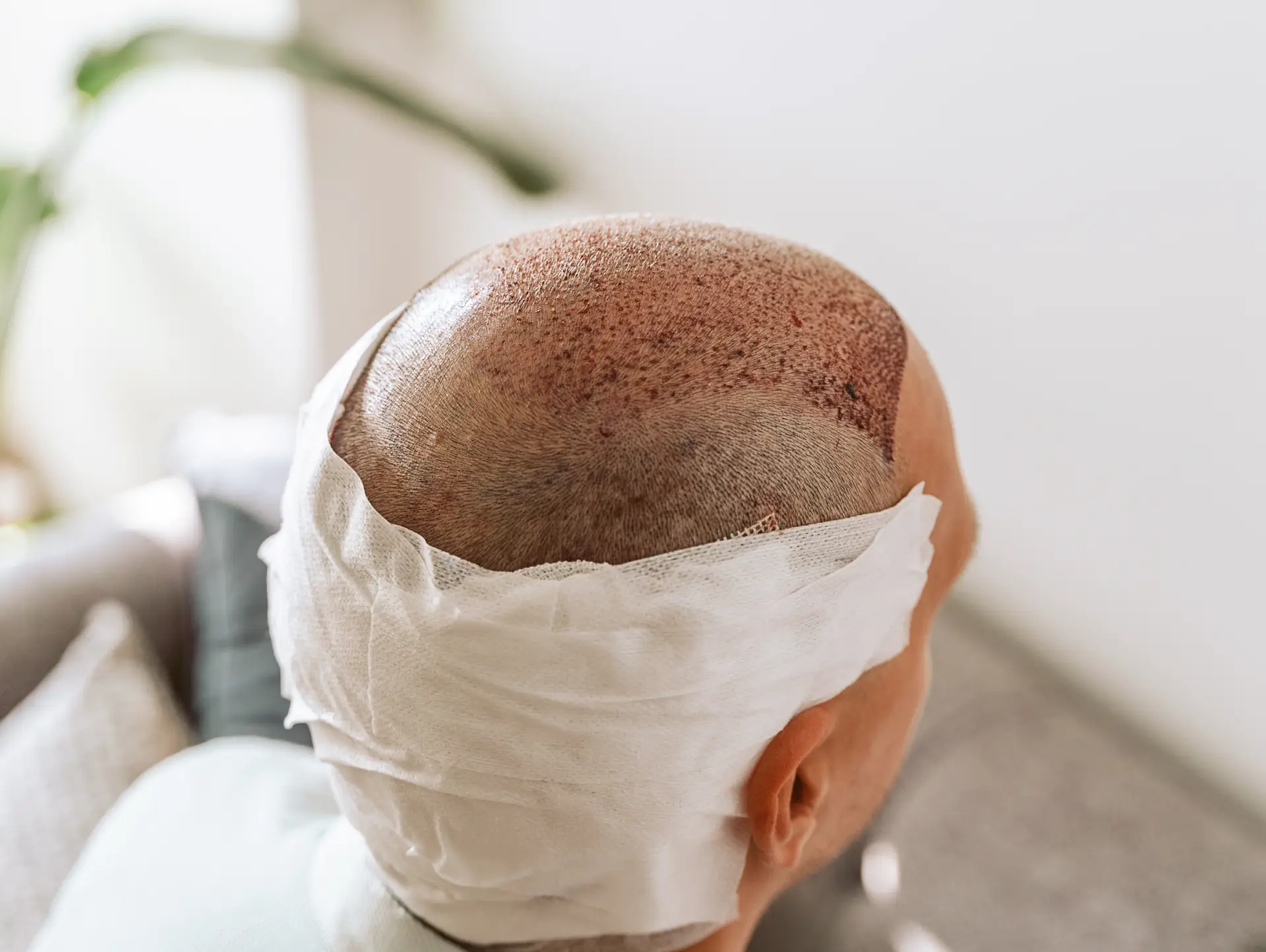
A Follicular Unit Extraction (FUE) hair transplant can be a transformative experience for those affected by hair loss. However, certain medical conditions, lifestyle factors, and scalp issues can act as hair transplant contraindications. Read on to learn about some of the most common contraindications for surgical hair restoration and discover who is not suitable for a hair transplant procedure.
Reviewed by Dr Epameinondas Bonaros, GMC-registered (7566786).
Are you a suitable candidate?
Commonly used to treat genetic hair loss, FUE hair transplantation is a safe and effective surgical treatment for hair restoration. It's minimally invasive, performed under local anaesthesia and, unlike follicular unit transplantation (FUT), does not leave a linear scar.
Despite the benefits, it is important to recognise that not everyone is a suitable candidate for this hair transplantation procedure. At Dr Bonaros clinic in Glasgow, we are dedicated to patient health and favourable outcomes. We ensure patients are well-informed of possible contraindications before pursuing hair transplant surgery.
A hair transplant performed on a patient with a contraindication can have several negative effects. These can range from poor hair growth to the triggering of an underlying hair disease.
Disclaimer
This content is meant for informational purposes only and is not a substitute for professional medical advice. You should consult with a registered specialist before beginning any new treatment plan.
Potential contraindications
There are several factors which can influence whether someone is a good or bad candidate for a hair transplant procedure. Absolute contraindications completely prevent someone from undergoing hair transplant surgery, while relative contraindications mean that surgery is possible if the benefits outweigh the risks.
A person who is not eligible for hair transplant surgery may present with the following absolute or relative contraindications.
01 · Active scalp infections
Active scalp infections, such as folliculitis (inflammation of the hair follicles), are a common contraindication for hair transplants. They can hinder healing and may also spread, increasing the risk of serious complications.
Performing a hair transplant on an infected scalp can negatively influence the grafting process and prevent follicle growth. Surgery can also worsen the infection, resulting in a longer recovery period. Treat any active scalp infections before considering a hair transplant. This helps minimise risks and supports the best possible results.
02 · Scarring & inflammatory conditions
Scarring alopecia (also called cicatricial alopecia) is a form of permanent hair loss. It involves the destruction of hair follicles and their replacement with scar tissue. Common scarring hair loss conditions include lichen planopilaris and frontal fibrosing alopecia.
Hair transplants in areas affected by scarring alopecia are especially complicated for several reasons. Scar tissue reduces blood supply and alters scalp skin texture. This can prevent the successful implantation and growth of hair grafts. The underlying inflammatory processes can also cause further damage to existing and transplanted hair.
Successful hair transplantation in patients with scarring alopecia requires a thorough evaluation by a specialist to determine the extent and stability of the condition. Treating scarring alopecia often involves medical therapy to help manage inflammation. Once the condition has been stable for 2 years, a hair transplant surgeon can begin carefully planning how to maximise graft survival rates and achieve natural-looking results.
03 · Alopecia areata
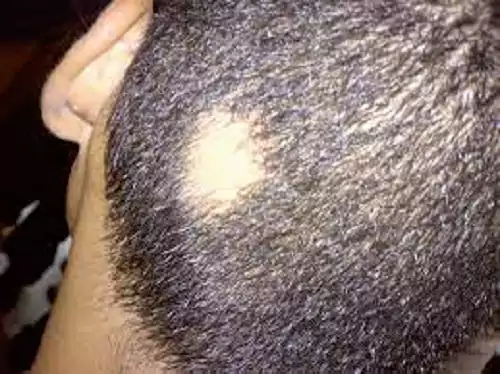
Alopecia areata is an autoimmune condition that occurs when a patient's immune system attacks their hair follicles. This triggers sudden and unpredictable hair loss, leading to patchy bald spots on the scalp and in other areas with body hair.
A hair transplant performed on a patient with active alopecia areata has unpredictable (and often unsatisfactory) results, as the immune system can easily begin attacking transplanted hairs. This leads to unsuccessful transplant results and can worsen the patient's overall condition.
It is crucial to manage and stabilise alopecia areata with medical treatment before considering hair restoration surgery. This process usually involves the help of dermatologists and other healthcare providers.
04 · Diffuse unpatterned alopecia
Diffuse unpatterned alopecia (also called DUPA) is a common hair transplant contraindication. This condition is characterised by widespread hair thinning in areas across the scalp rather than localised bald patches. With no area free from hair loss, surgeons are unable to harvest 'safe' donor follicles and perform hair transplantation.
Telogen effluvium is a common form of DUPA that occurs when a significant number of follicles enter the resting (telogen) phase of the hair growth cycle. This results in visible hair thinning and shedding, but this condition is temporary so the hair should regrow without the help of surgery.
05 · Advanced androgenetic alopecia
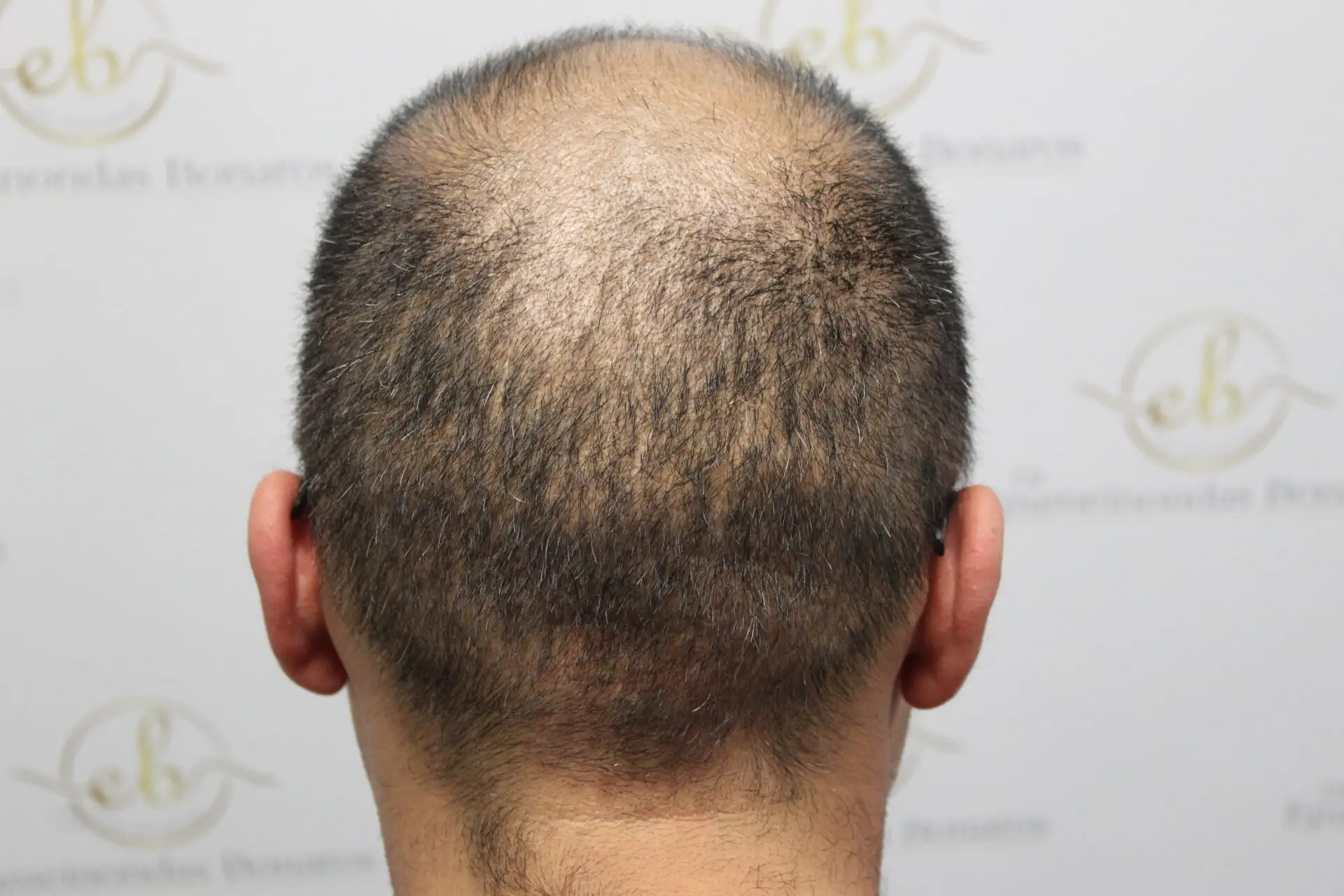
Patients with advanced genetic hair loss often have significant bald spots. This poses distinct challenges for hair transplant procedures, as there is a limited supply of healthy donor hair. Hair transplants for these patients require careful consideration and planning. It's important for the surgeon to strategically place the limited donor hair in key areas to achieve natural-looking results.
It's also important for patients to have realistic expectations about the outcome of their surgery. Extensive hair loss and a limited donor supply mean a complete restoration is not always possible. When it comes to male and female pattern hair loss, an assessment of the donor area density can help determine who is not a candidate for hair transplant surgery.
06 · Health & lifestyle factors
Certain health conditions and lifestyle factors can also act as contraindications to hair transplants. Generally, surgeons will advise patients to adopt healthier habits and manage any underlying medical conditions before undergoing hair transplantation.
There are several medical conditions that can potentially impact a hair transplant's success and the recovery process. Common examples include:
Various lifestyle factors, including smoking, excessive alcohol consumption, and poor diet, can also contraindicate hair transplantation. In particular, smoking reduces blood flow to the scalp. This blood is essential for nourishing implanted grafts and, when reduced, can impact their survival rates.
Identifying candidates
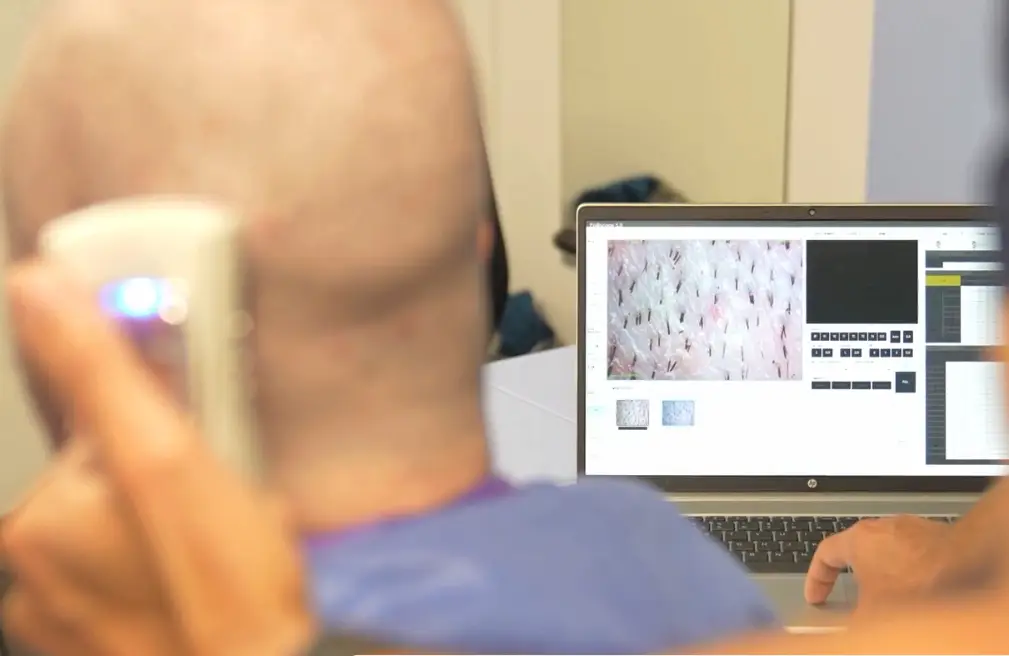
Identifying good vs poor candidates for hair transplantation involves a thorough assessment process that begins with an initial consultation. During this consultation, a surgeon will evaluate the patient's hair characteristics, including hair density, texture, and donor area availability. This helps identify whether patients have enough healthy donor hair for a successful transplantation.
The patient selection process also considers factors like scalp health and existing conditions that could affect the success of the procedure. In some cases, a scalp biopsy may be recommended. This biopsy provides crucial information about hair follicle quality and the scalp's ability to support new hair growth.
Based on these evaluations, the surgeon will develop a personalised treatment plan that accounts for the patient's overall health, the stability of their hair loss pattern, and their desired transplant results. This tailored treatment planning helps ensure that each candidate's surgery goes smoothly and achieves the most successful results possible.
It is crucial to have a realistic understanding of what a hair transplantation can achieve. The success of the procedure depends on various factors, including donor hair density and the extent of your baldness. While hair transplants can significantly improve your appearance in the long term, patients should be aware that it can take up to 18 months to see the full results of their procedure.
Hair transplantation is a significant decision, and not everyone is an ideal candidate for the procedure. At the Dr Bonaros hair loss clinic, we thoroughly evaluate each patient's case to ensure the best possible outcome.
We believe in providing our patients with a clear understanding of potential results to help them set realistic expectations and make informed decisions. By carefully considering all possible contraindications on a case-by-case basis, we aim to maintain high levels of satisfaction and assist our patients in achieving their hair restoration goals.
As with any surgery, hair transplants come with a risk of postoperative complications. These include developing conditions like folliculitis and numbness, which can negatively affect hair follicles. Postoperative complications interfere with the healing process and can compromise the overall results of the transplant.
It is essential for patients to monitor their scalp health and carefully follow postoperative instructions to minimise these risks. Adhering to all care guidelines plays an important role in ensuring you get the best possible results from your hair restoration surgery.
Attending regular follow-up consultations with your surgeon can also further support successful healing. Early detection and treatment of any emerging issues can prevent more severe complications and help maintain the health of your newly transplanted hair.
Make an appointment with Dr Bonaros or request a quote through our Online Assessment Form.

Frequently Asked Questions
Read our answers to some frequently asked questions for more information about contraindications to hair restoration surgery.
Certain psychological factors can contraindicate hair transplant surgery.
Some examples include having unrealistic expectations or dealing with conditions like trichotillomania or body dysmorphic disorder (BDD). Trichotillomania is an obsessive-compulsive disorder that leads to incessant hair-pulling. BDD involves obsessions with minor or non-existent flaws in appearance that may contribute to dissatisfaction after surgery.
Yes, certain medications can interfere with a hair transplant. It's important to speak to your surgeon and disclose all medications you take. This allows them to assess potential risks and help you make an informed decision that prioritises your safety.
Common medications that can contraindicate hair transplant surgery include immunosuppressants and antiplatelet and anticoagulation medications. Immunosuppressants can impact hair growth and potentially cause setbacks in your recovery process. Antiplatelets and anticoagulants (also called blood thinners) prevent the formation of blood clots.
Your doctor may advise you to stop these medications before your surgery to reduce your risk of excessive bleeding.
While age itself is not a strict contraindication to hair transplants, surgeons often advise very young patients to wait until they are older before undergoing hair transplant surgery.
If you suffer from progressive hair loss (like androgenetic alopecia) your hair loss patterns should stabilise from your thirties onwards. Waiting until this point allows your surgeon to evaluate your condition more effectively. They can strategically place grafts and design a new hairline that aligns with your ongoing hair loss. This helps ensure optimal results for an aesthetic, natural-looking hairline. It also minimises the need for future corrective procedures, a huge benefit for patients of a young age.
A pre-transplant consultation is crucial for identifying any possible contraindications for surgery. During this consultation, your hair transplant surgeon will review your medical history, examine your scalp, and discuss your aesthetic goals. All of this is used to determine if you are a suitable candidate for a hair transplant.
A biopsy of the scalp involves taking a small sample of scalp tissue to examine under a microscope. This relatively simple and quick procedure is used to assess the follicle health and diagnose various scalp conditions. Here is an overview of what typically takes place during a scalp biopsy.
Have concerns about potential contraindications? Contact us for more information and expert advice or book a consultation below.
Our commitment
Our priority is your health and the success of your hair restoration journey. We offer the following services to ensure safe hair transplants.
Identifying contraindications is crucial before hair transplantation.
We set realistic expectations and provide personalised care plans for treating hair loss.
Under the guidance of Dr Bonaros, our clinic employs advanced techniques to address potential complications.
WhatsApp us
Assessment received
Message sent