

Receding Hairline in Men: Signs, Stages and What Actually Helps

Is your hairline receding, or is it just maturing? A hair transplant surgeon explains the signs, stages, causes, treatments and the MHRA finasteride update.
Experiencing Hair Loss? Your Diet May Be At Fault

Your diet plays a surprisingly large role in the growth of your hair. Just like eating the right diet can keep you healthy and fit, the right food can help to stimulate hair growth and keep your hair strong and healthy as you get older. In this article, you will find out which are the best foods to eat for hair growth and thickness.
Does Anxiety Cause Hair Loss?

This article explains how severe anxiety and associated stress can contribute to hair loss. We discuss four types of alopecia that are commonly associated with anxiety.
We also give you three tested ways to deal with anxiety so that you can start restoring your hair — and your wellbeing, too.
The Hair Growth Cycle explained
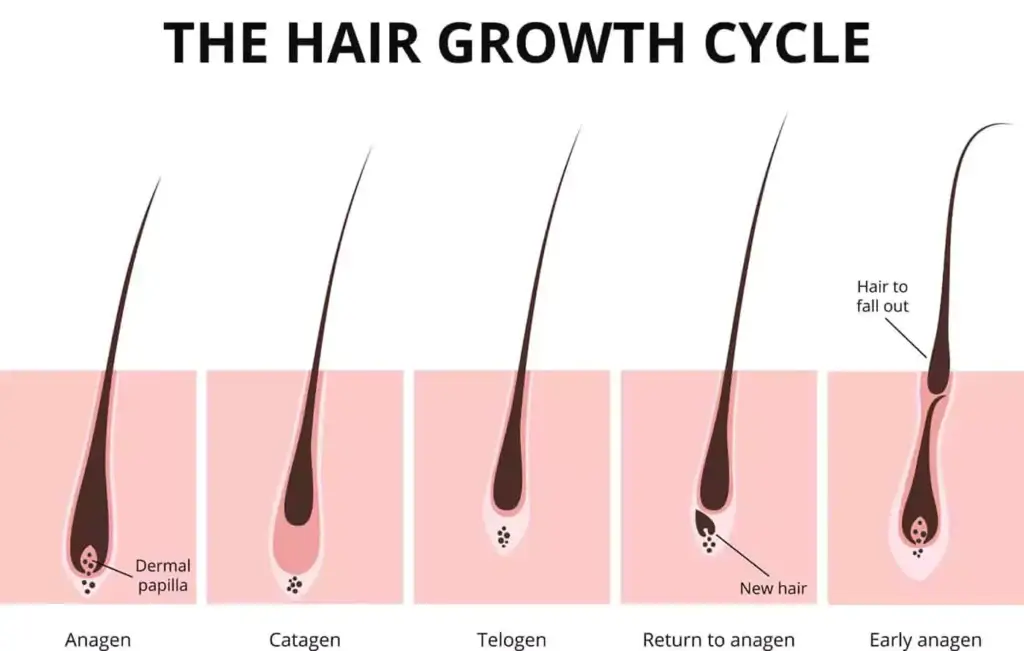
The normal growth rate of scalp hair is one-fourth to one-half inch per month. Hair growth has a cyclic pattern that can be affected by a number of genetic, disease, medication or other factors to cause hair loss.
Hair is formed in the hair follicle and grows out of the follicle in a continuous cyclic pattern of growth and rest.
What is Genetic Hair Loss? The Biology of Hair Loss
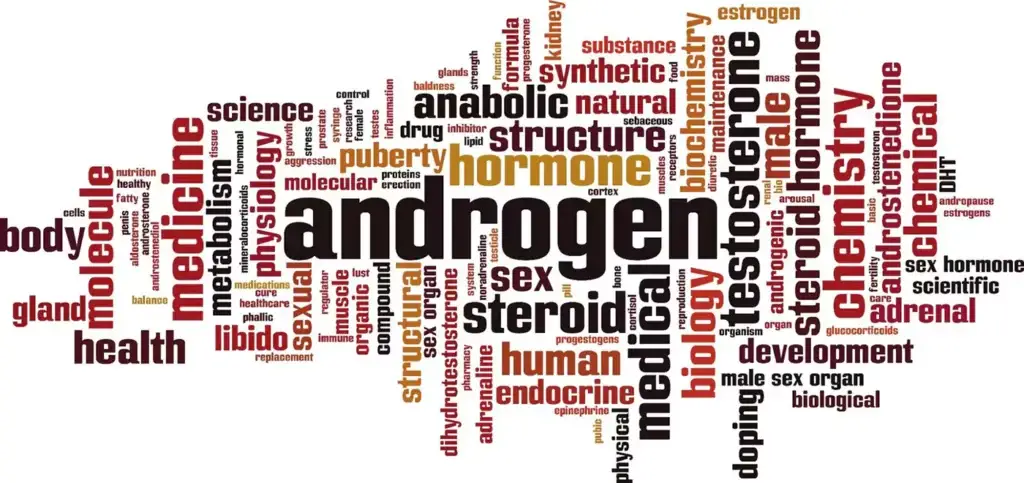
Genetic male and female pattern hair loss is also called androgenetic alopecia (AGA). The word androgenetic represents how both androgens (andro) and genes (genetic) are involved in hereditary hair loss. Alopecia is the medical term for hair loss. It comes from the Ancient Greek word ”αλωπεκια” which means “without hair”.