


Creatine & Hair Loss
Does creatine cause baldness, and what is the efficacy of creatine supplementation in exercise? Let’s examine the scientific evidence to address these common questions and misconceptions.
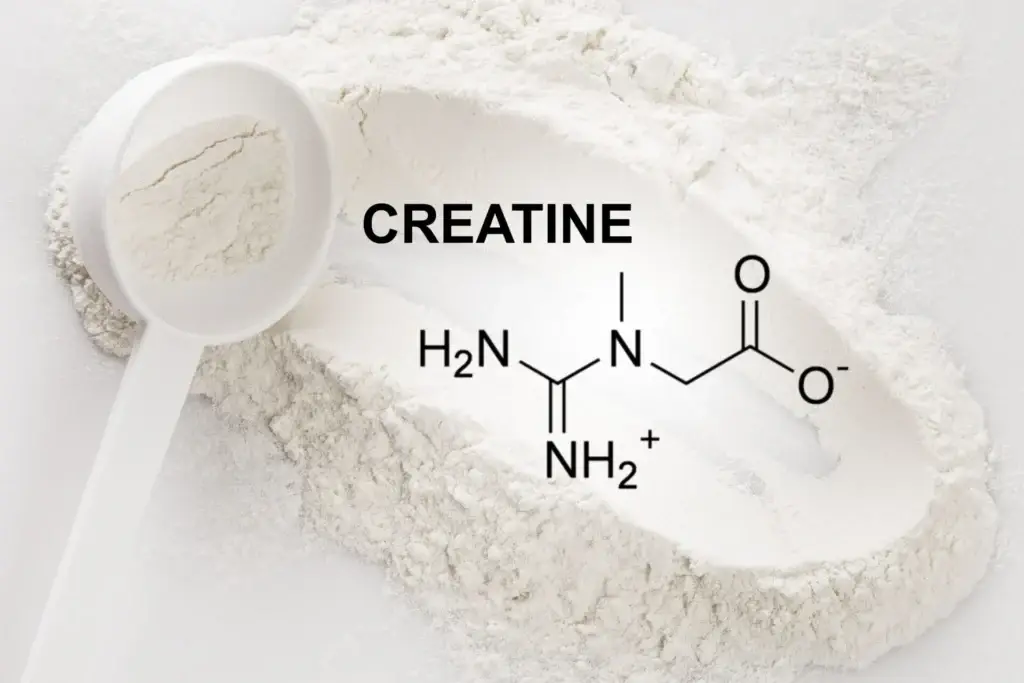
What is Creatine?
Creatine is a chemical structure that your body produces naturally in the liver, kidneys and pancreas. It is stored in your skeletal muscle, also known as striated muscle, which is a type of muscle tissue that attaches to bones and is responsible for movement and posture.
Creatine functions as a rapid energy source for your muscles by helping to produce adenosine triphosphate (ATP), which fuels your cells for energy.
This protein supplement is most effective for:
- Short spurts of high-intensity exercise, such as weightlifting or Sports that require quick movements, like tennis or football.
Do You Need to Supplement Creatine?
No, your body typically makes enough creatine for daily functions, so supplementation isn’t necessary for general health. However, athletes commonly use creatine supplements to enhance their workout performance and training capacity.
However, creatine monohydrate supplementation (one of the most common forms of creatine available) does not significantly enhance endurance performance in activities like long-distance running.
You also obtain creatine from eating animal proteins, such as:
- Red meat
- Fish
- Poultry
Origin of the Misconception About Creatine Supplementation
In 2009, a study published in the Clinical Journal of Sports Medicine examined the effects of creatine monohydrate on the DHT-to-testosterone ratio among 20 male rugby players.
The findings indicated that DHT increased significantly after creatine supplementation, sparking theories that creatine may accelerate hair loss by increasing DHT, which is known to contribute to male pattern baldness.
From this, large-scale misconceptions about DHT and creatine’s effects circulated in exercise and sports performance and sports nutrition circles. However, this study did not directly assess hair loss. This led to speculative conclusions and the premature linking of creatine to baldness.
The 2025 Double-Blind Randomised Study: Shedding New Light
A study published in 2025 in theJournal of the International Society of Sports Nutrition provided direct evidence regarding the effect of creatine on hair follicle health.
Spanning 12 weeks, the double-blind, randomised study involved 38 resistance-trained males. They were either assigned to a creatine monohydrate group or a placebo group. Contrary to the 2009 study, the 2025 research found no meaningful changes in DHT levels or any other androgenic effects that could negatively impact hair health.
Study Methodology
Participants in the creatine group received 5g/day of creatine monohydrate. The researchers monitored their androgen levels and assessed hair follicle health using advanced imaging technology.
Are you experiencing noticeable thinning hair or hair loss?
Book a consultation with Dr Bonaros for a comprehensive assessment and tailored treatment plan.
Findings
The results showed no significant differences between the creatine and placebo groups in terms of hair growth parameters, DHT levels, or the DHT-to-testosterone ratio. All hormonal changes remained within normal physiological limits. Thus, there was no increased risk of hair loss from taking creatine. Hair loss stems primarily from genetic and hereditary factors.
Is Hair Loss & Creatine Linked?
Unlikely. The 2025 study provides strong clinical evidence against the notion that creatine causes hair loss. While creatine can increase DHT, these levels remain within normal ranges and are unlikely to trigger hair loss beyond what is genetically predisposed.
Possible Side Effects of Creatine
While creatine is widely considered safe for most healthy individuals when taken at recommended doses, it’s essential to be aware of any possible side effects.
Water retention
This is the most commonly reported side effect, particularly during the first week of creatine. This is due to the creatine pulling water into your muscles along with sodium. However, experts believe this water gain balances out as your muscle mass increases, meaning your overall body water levels stay proportionate over time.
Muscle camping and dehydration
There have also been anecdotal reports of muscle cramping and dehydration. However, studies on this are conflicting, and there’s no consistent scientific proof that creatine directly causes these issues.
You should be especially diligent if you have pre-existing health conditions linked to:
Kidney function
One of the most common concerns is kidney function. Although there’s no strong evidence linking creatine to kidney damage in healthy people, those with chronic kidney disease or renal dysfunction should be cautious. It’s best to consult your doctor before starting creatine supplementation.
Liver health
Some worry about its impact on liver function, especially with high doses. While research hasn’t confirmed a link between creatine and liver damage in healthy individuals, it’s wise to stay within recommended doses and monitor your health.
As with any protein supplementation, it’s best to stick to the advised dosage. If you experience any adverse symptoms or side effects, consult a healthcare professional immediately.