


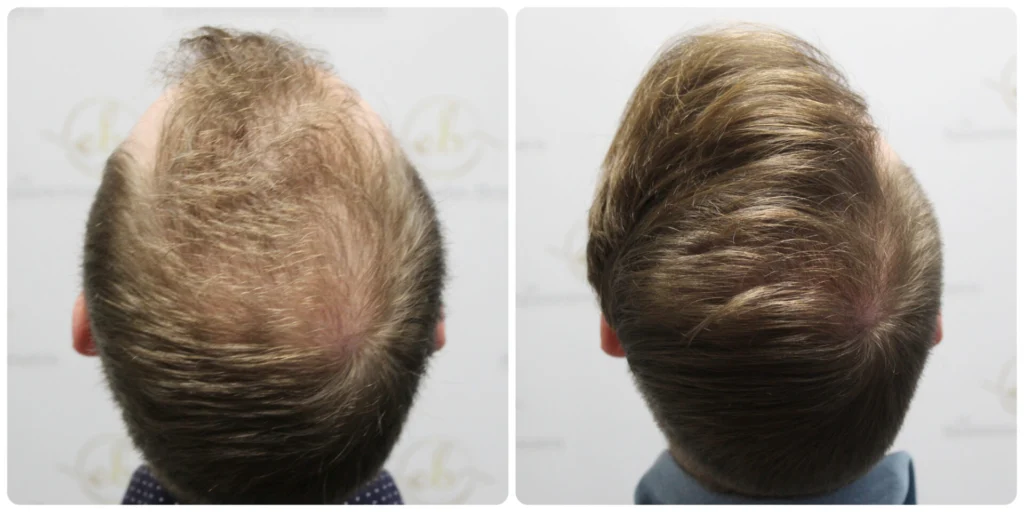
Hair Shedding after a Hair Transplant: What You Need to Know
It’s understandable to feel concerned when you notice hair shedding after your hair transplant surgery. However, don’t worry, as it’s just a temporary phase.
Shedding is often referred to as “shock loss,” and understanding post-transplant shedding helps patients manage expectations, ensuring a smooth recovery.
Read on to find out everything you need to know about shedding hair after a hair transplant.
Reviewed by Dr Epameinondas Bonaros
Table of Contents
What To Know About the Shedding
Phase After Your Hair Transplant
Hair shedding after a FUE hair transplant is a completely normal part of the recovery process.
Learn more about the FUE hair transplant shedding phase.
Why Does Hair Shedding Occur?
Shedding after surgery happens during telogen effluvium. Telogen effluvium occurs when a larger number of hair follicles enter the telogen phase (resting stage), leading to increased hair shedding before new growth begins.
According to the British Association of Dermatologists (BAD), it is normal to shed between 30 and 150 hairs per day as part of the natural hair cycle.
When it comes to post-transplant shedding, several key factors are at play:
Surgical Trauma
Hair follicles can be temporarily “shocked” by the surgical process, prompting them to enter the Telogen phase. This leads to the shedding of the old hair strands to make way for new, healthy growth once the follicles re-enter the growth phase. Hence, the other common name for this phenomenon is shock hair loss.
Adjustment Period
After being relocated to a new site on the scalp, transplanted follicles require time to settle. It’s entirely normal for hair to shed during this period as the follicles adapt and begin a new growth cycle.
Stress Response
Surgery can be a form of physical stress on the body, which may trigger a broader stress response. As a result, more hair follicles than usual may shift into the telogen phase, leading to increased shedding. This often becomes noticeable two to three months after the procedure.
Note that while the physical stress of hair transplant surgery triggers it, Telogen effluvium can also be caused by a range of other stressors.
These include:
- Childbirth
- Illness
- Emotional stress
- Extreme weight loss,
- New medication
- Coming off hormone treatments
In all these cases, shedding is usually temporary, with normal hair growth resuming once the underlying trigger has been resolved.


Types of Shock Loss
Shock loss refers to the temporary shedding of hair that occurs following hair transplant surgery. This reaction affects transplanted and existing hair follicles as they respond to the surgical trauma.
There are three types of hair shedding that occur after hair surgery.
1. Transplanted Hair Shedding
This is the most common type of hair loss that occurs after a hair transplant procedure. After surgery, your newly implanted grafts will remain in place for approximately 1-2 weeks. During this initial period, the transplanted follicles begin transitioning into the telogen (resting) phase of the hair growth cycle.
The transplanted hair fall can typically begin around 10-14 days after surgery, though it can start as early as 10 days post-procedure. This shedding process can continue for up to 12 weeks.
During the first few weeks after surgery, it’s important to remember that while the hair shaft may shed, the transplanted follicle remains securely in place and will eventually produce new, healthy hair.
2. Non-Transplanted Hair Shock Loss
Some patients may notice that their existing, non-transplanted hair also begins to shed following surgery. This type of shock loss is more likely to occur in patients who have a significant number of thin or miniaturised hairs in the recipient area, particularly those located between the new grafts.
Non-transplanted hair shedding occurs due to the surgical trauma, as these native hairs also enter the telogen phase. This process can begin as early as 2 weeks after surgery, but may sometimes occur months later. The localised tissue damage and temporary disruption to blood supply in the recipient area impact existing hair follicles, causing them to shed.
While this type of shock loss is less predictable than shedding of transplanted hair, it typically resolves on its own, and the affected hairs should regrow naturally.
3. Donor Hair Shedding
Donor area shock loss, also known as donor hair effluvium, is the rarest form of post-transplant hair shedding. This phenomenon occurs when hair in the donor area (typically the back and sides of the head) begins to shed following the extraction procedure.
Donor hair shedding usually results from surgical trauma, including swelling, inflammation, and potential damage to blood vessels in the donor region.
However, this complication is uncommon when the procedure is performed by an experienced hair transplant surgeon who employs precise techniques to minimise disruption to surrounding follicles.
When Does Shedding Start After a Hair Transplant?
Initial Weeks
The shedding phase can start as early as 10 days, but typically begins around 2-4 weeks post-surgery and can last up to three months. During this period, you might notice the transplanted hair follicles falling out. Expect to see the most shedding around the transplanted area during the first month.
3-6 Months
Initial growth can take time. Hair typically begins to grow and is usually visible within three to four months. By six months, most patients begin to see significant new hair growth with new hair follicles around pre-existing surrounding hairs.
1 Year
Final results, including the full, thickened hairline, are typically visible within 12 months. However, this can also take up to 18 months.
Managing Hair Shedding
To minimise and possibly prevent excessive hair shedding after a transplant, follow your aftercare routine and maintain a healthy lifestyle.
Post-Operative Care Instructions
Adhere strictly to the aftercare guidelines provided by your hair transplant surgeon. This includes avoiding contact with the hair grafts, gentle washing, and refraining from using hot water. You may experience itching, but it is important that you avoid scratching your scalp or the recipient site, as this will prevent scabs from forming.
Maintain a Healthy Lifestyle & Balanced Diet
Proper nutrition, stress management and hydration can support overall health and potentially improve hair regrowth.
Quitting smoking and drinking alcohol can support better circulation, which helps deliver nutrients and oxygen to your recovering hair follicles. Good blood flow is needed for nourishing the scalp and promoting new hair regrowth after shedding.

When to Consult Your Surgeon
While shedding is normal, excessive hair loss or symptoms like persistent redness or infection should be discussed with your surgeon. Scheduling regular follow-up appointments is a great way to keep an eye on your progress and have a healthcare professional answer any questions early.
Hair shedding after a FUE transplant is a natural occurrence that is part of the healing process. With proper care and patience, the new hair will grow back, ultimately giving you a fuller, natural-looking hairline.
This understanding of the shedding phase will not only prepare you but also ensure that your hair restoration journey leads to the desired results.
Send us your photos via our online assessment form to receive a free, personalised quote for hair transplantation.
FAQs — Post Hair Transplant Shedding
We listen when our patients talk, and these are the questions we hear the most often regarding shedding after a hair transplant.
How long does hair shedding last after a hair transplant
Shock loss typically begins within the first couple of weeks after surgery and can last for up to three months.
Around the two-week mark, you may notice some shedding of the new hair grafts. This will be most pronounced along the transplanted hairline.
By the end of the first month, it’s common for most of the newly transplanted hairs to have shed.

Dr Bonaros: Excellence in Hair Transplantation in Glasgow
Our mission at the Dr Bonaros Hair Transplant Clinic centres on providing personalised advice for each patient’s hair restoration journey. We focus on delivering results that restore confidence and improve lives, guided by our core values of integrity and compassionate care under the expert leadership of Dr Bonaros.
Dr Bonaros’ clinic brings distinguished credentials as a member of the British Association of Hair Restoration Surgery (BAHRS) and Scotland’s exclusive representative in the International Society of Hair Restoration Surgery (ISHRS). His diplomate status with the American Board of Hair Restoration Surgery (ABHRS) reflects the only recognised qualification in hair restoration procedures.
Gain expert insights on hair loss, including topics such as hair shedding after a hair transplant, in our free resource library. Book a consultation for personalised advice today.
About the Medical Reviewer
This content was written and medically reviewed by Dr. Epameinondas Bonaros, a hair restoration specialist based in Glasgow.
Dr. Bonaros is a GMC-Registered Doctor (No. 7566786), a Diplomate of the ABHRS, and a Full Member of the ISHRS. Dr. Bonaros personally performs every FUE procedure at his clinic to ensure the highest standards of safety and clinical excellence.
Last medically reviewed: December 2025