

What Is Traction Alopecia?
Traction alopecia is a hair loss condition caused by repetitive or prolonged pulling on the hair. This constant pulling causes damage to hair follicles, leading to hair thinning and loss.
Traction alopecia most commonly affects the scalp, but it can also occur in the beard area. If left untreated, this condition can result in hair follicle scarring and permanent hair loss.
Traction Alopecia Causes
The constant tension that causes traction alopecia can be the result of certain hairstyles in which the hair is pulled back too tightly. Some common examples include the following:
- Tight buns
- Hair extensions
- Tight braids
- Hair relaxers
- Cornrows
- Tight ponytails
In general, people who frequently use tight hairstyles are at a higher risk of developing traction alopecia. Common examples include gymnasts, ballet dancers and other individuals whose professions require them to wear tight hairstyles. The weight of excessively long hair or the use of hair relaxers can also weaken your hair, making it more susceptible to damage.
Within this group, traction alopecia in women is more prevalent than in men. A study of traction alopecia in South Africa showed that this condition affected 31.7% of women, while the rate of traction alopecia in male participants was only 2.3%.
Traction Alopecia Symptoms
Traction alopecia is a progressive condition, meaning it gets worse over time.
In the early stages, you may experience these symptoms around areas of tension on the scalp:
- Small bumps (with a similar appearance to pimples),
- Redness
- Itching
You may also experience other signs, such as headaches, which coincide with tight hairstyles. These are generally relieved once the hair is loosened.
As you progress through the various traction alopecia stages, you may notice that your hair falls out or sheds more easily. This hair loss may be quite mild initially. However, it will continue to worsen over time, resulting in noticeable hair thinning.
Other common signs of traction alopecia can include the following.
- Hair casts (white cylindrical concentrations that encircle the hair shaft)
- Folliculitis (infected or inflamed hair follicles)
- Short, broken hairs
- Receding hairline
It’s important to note that traction alopecia patients lose hair according to their unique hairstyles and related traction patterns. For example, most patients develop thinning hair on the front and sides of the scalp.
However, some experience more loss along the marginal hairline – a presentation which researchers refer to as “fringe sign”. A 2011 study investigated the occurrence of fringe signs in traction alopecia patients.
Diagnosing Traction Alopecia
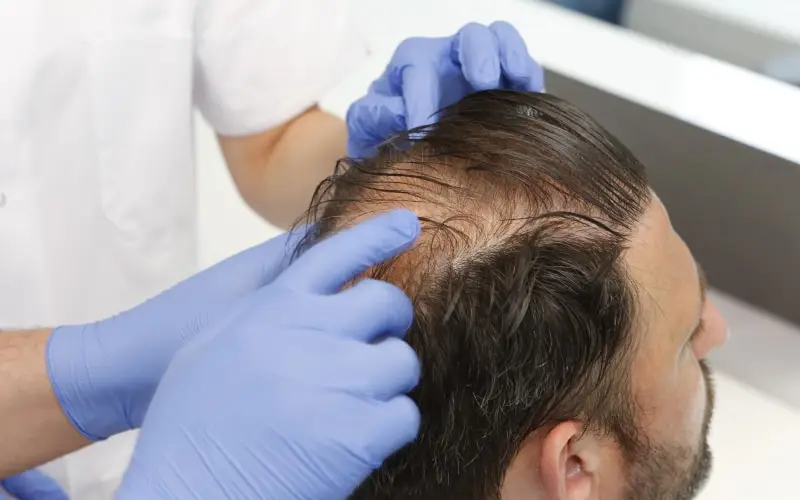
Traction alopecia is diagnosed through a patient‘s history of traction and a medical examination of the affected area. This process often involves using a dermatoscope to identify patterns of lost hair.
Diagnosing traction alopecia can be a challenging process, as the condition often presents differently between patients and can vary based on the stage of progression. It’s often necessary for doctors to combine examination results with lab tests for an accurate diagnosis. This process may involve performing a scalp biopsy to help rule out other types of hair loss.
When it comes to traction alopecia, early diagnosis and intervention are key. If left untreated, longstanding traction alopecia can cause hair follicle damage, which disrupts the natural hair cycle. This can prevent new hair growth, resulting in permanent alopecia.
Are you experiencing noticeable thinning hair or hair loss?
Book a consultation with Dr Bonaros for a comprehensive assessment and tailored treatment plan.
Treatments for Traction Alopecia
Traction alopecia is classified into different stages, each with its own treatment options. These stages are prevention, early traction alopecia, and longstanding traction alopecia.
Knowing how to treat traction alopecia depends on which stage you’re in and whether or not permanent hair loss has occurred. Traction alopecia treatment options include both surgical and nonsurgical approaches.
Early Stages
In the initial stages of this condition, your hair follicles are still intact. The focus of treatment is to stop the pulling on your hair and prevent the traction alopecia from progressing.
This process can include the following.
- Avoiding hairstyles like tight ponytails
- Cutting very long hair
- Removing hair extensions
- Avoid exposing your scalp to heat or chemicals, which can cause further hair follicle damage.
Late Stages
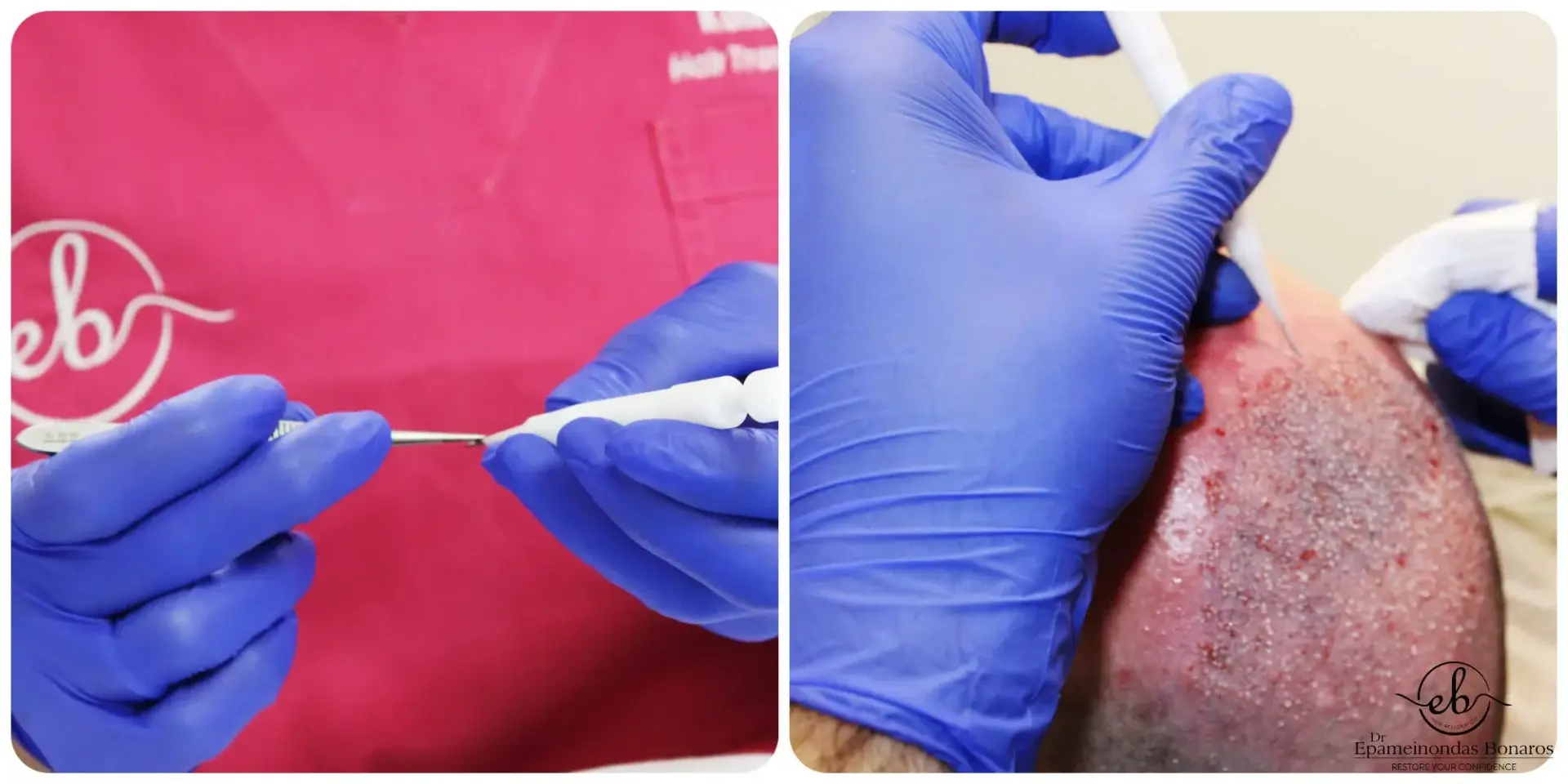
In the late stages of traction alopecia, recommended treatment options often include surgical interventions like grafting and FUE hair transplants.
Having a trusted hair restoration surgeon perform your procedure will not only help you recover faster, but it will also increase your chances of healthy new hair growth.
Disclaimer: This content is meant for informational purposes only and is not a substitute for professional medical advice. You should consult with a registered specialist before beginning any new treatment plan.
Book an appointment with Dr Bonaros now for a detailed hair loss consultation and personalised treatment plan.
FAQ
Traction Alopecia — FAQs
Are hair transplants for traction alopecia a long-term solution?
While you can effectively treat traction alopecia with a hair transplant, your aftercare and hair practices thereafter will affect the long-term results of this procedure. It’s essential to take good care of your hair and avoid practices like tight hairstyles, which can damage transplanted follicles and cause further traction alopecia.
What are other causes of hair loss besides traction alopecia?
Alongside traction alopecia, other common causes of hair thinning and loss may include the following conditions.
- Scarring alopecia: Also called cicatricial alopecia, this type of hair loss occurs when inflammation damages the hair follicles. It often leads to scarring on the scalp, resulting in permanent hair loss.
- Frontal fibrosing alopecia: A hair loss condition that occurs along the front and sides of your scalp and also commonly affects the eyebrows.
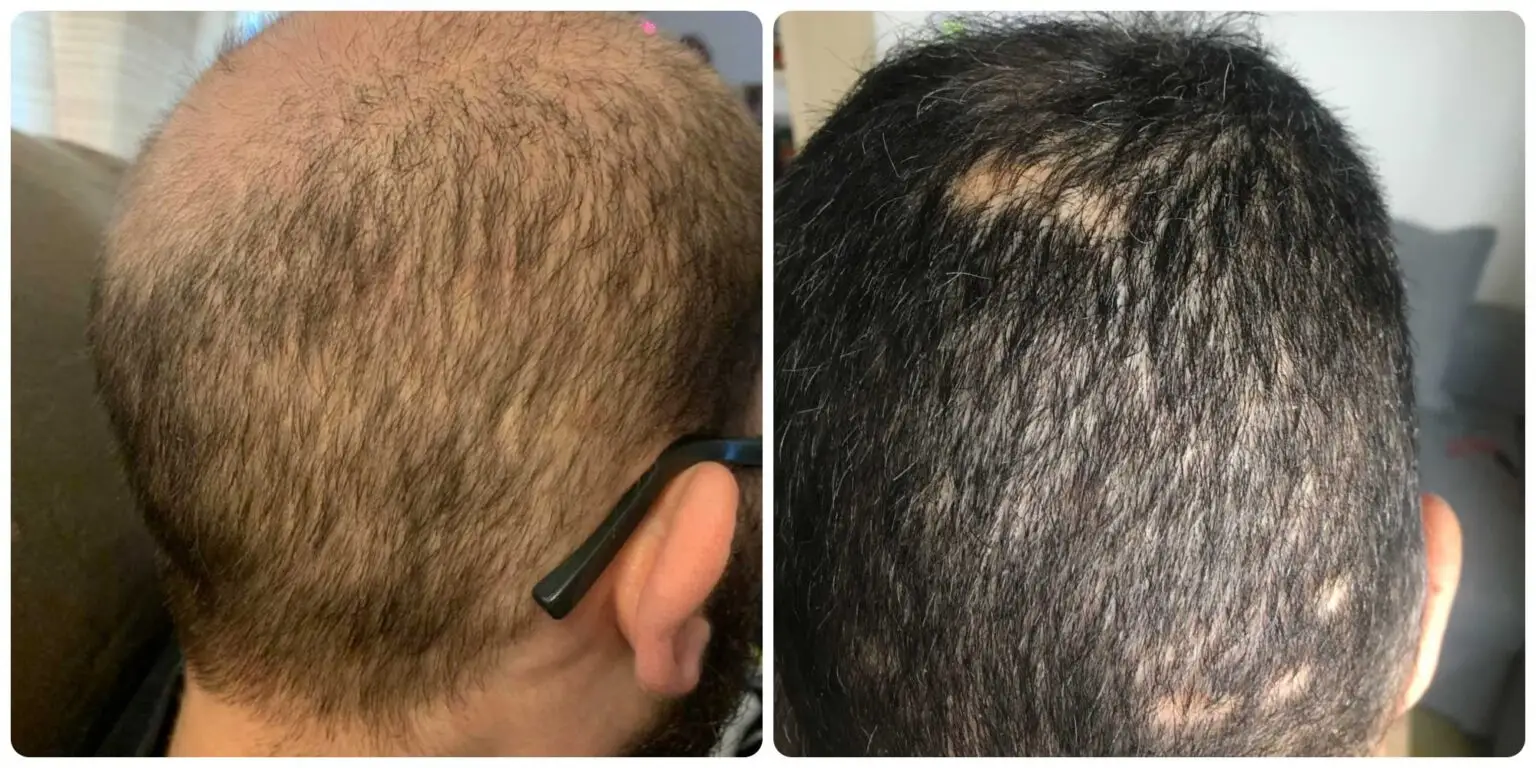
- Alopecia areata: A type of non-permanent hair loss caused when hair follicles are attacked by the immune system. This manifests as sudden patches of hair loss on the scalp or other body areas.
- Central centrifugal cicatricial alopecia: A form of scarring alopecia causing hair loss that begins at the crown of the scalp and gradually spreads outward. Most prevalent amongst African American women.