Scalp Micropigmentation
Micropigmentation is a form of tattoo applied to the scalp to conceal bald spots.
The difference between hair shedding vs hair loss matters more than you might think. It affects how your doctor diagnoses the root cause, what treatments may work and what to expect over time.
Continue reading to learn about the distinction between hair shedding and hair loss, the causes and your treatment options.
Reviewed by Dr Epameinondas Bonaros
Explore the science behind hair loss vs hair shedding.
| Feature | Normal Hair Shedding | Hair Loss |
|---|---|---|
| What it is | A normal part of the hair growth cycle. Everyone sheds hair daily. | A reduction in hair density, thinning, or bald spots that go beyond normal shedding. |
| How much hair is lost per day | It’s normal to shed 50–100 hairs a day. | Noticeably more than 100 hairs per day, or visible thinning/bald areas. |
| What you notice | Extra hairs on your pillow, shower drain, or brush, but scalp and hair still look full. | Wider parting, scalp showing through, receding hairline, or patchy bald spots. |
| Most common causes | Natural hair cycle, brushing/washing, seasonal changes. Temporary triggers can cause excessive hair shedding. | Family history (male or female pattern baldness), underlying health conditions, scarring from skin diseases, tight hairstyles (traction alopecia) and ageing. |
| Outcome | Completely normal, hair regrows naturally. | May need treatment to slow, stop or sometimes reverse. Not always fully reversible. |
Hair shedding is a natural process that occurs as part of your hair’s growth cycle. Your hair doesn’t grow continuously. It goes through different phases, and shedding happens when hairs reach the end of its life cycle.
There are two main types of hair shedding:
Normal Shedding: The everyday loss of hair that’s part of your body’s natural renewal process.
Telogen Effluvium: Excessive hair shedding that goes beyond what’s normal and can be triggered by various factors.
A daily shedding range of 50-100 hairs per day is standard as part of your hair growth cycle. This might sound like a lot, but with around 100,000 hair follicles on your scalp, losing 100 hairs represents less than 0.1% of your total hair.
As your hair grows in cycles, each follicle moves through different phases:
Anagen (growing phase): Active hair growth, lasting 2 to 8 years. Most hairs on your scalp (about 90–95%) are in the anagen phase.
Catagen (transition phase): Short phase of 4–6 weeks where hair growth slows and follicles shrink. Only a few hairs are in this phase at any time.
Telogen (resting phase): Lasts 2–3 months, during which hairs stop growing. Approximately 5–10% of hairs are in the telogen phase, and 100–150 hairs are shed daily.
Exogen (shedding phase): Hair naturally falls out at the end of the telogen phase.
This type of shedding is simply your hair’s way of making room for new, healthy strands to grow. The hairs you lose during normal shedding will typically be replaced by new ones growing from the same hair follicles.
How many hairs you lose will depend on several factors. Telogen effluvium (TE) is characterised by severe shedding that exceeds the standard daily hair loss, often resulting in more than 100 shed hairs per day.
It occurs when a large amount of hair in the anagen phase stops developing prematurely due to a trigger. These hairs then transition into the catagen phase and shortly after into the telogen phase, leading to excessive shedding.
Common triggers of increased hair shedding include:
Physical stress: Major illness, high fever, substantial weight loss or surgery
Emotional stress: Significant life changes, trauma, a stressful event or long-term pressure
Hormonal changes: Pregnancy, childbirth, menopause, thyroid disorders or stopping birth control pills
Medications: Certain antidepressants, blood thinners or other medications
Nutritional insufficiencies: Iron and protein deficiency or crash dieting
Harsh chemicals and hair products: Bad hair habits like frequent use of bleach, dyes, relaxers or excessive heat-styling products
Telogen effluvium doesn’t happen immediately. There’s typically a 2-4 month delay between the triggering event and when you start experiencing excessive hair shedding.
Recovery timeline:
3-6 months: Hair returns to regular shedding pattern (after trigger is resolved)
6-12 months: Generally, full hair regrowth
The condition is usually temporary. Once the underlying trigger is addressed, your hair cycle can return to its normal state.
Highly noticeable, hair loss is characterised by hair thinning or bald patches, accompanied by a reduction in density.
Unlike hair shedding, where hairs are replaced, hair loss occurs when fewer new hairs grow to replace the ones that fall out, or hair follicles stop producing hair altogether.
There is no single cause of hair loss. Many conditions can cause your hair to fall out, such as:
Androgenetic alopecia (female or male-pattern baldness): It is hereditary and exhibits typical thinning patterns.
Senescent alopecia: age-related thinning without a family link.
Alopecia areata: patchy hair loss caused by the immune system attacking the hair.
Traction alopecia: Caused by tight hairstyles or styling practices.
Scarring alopecia (cicatricial alopecia): This type of alopecia, like anagen effluvium, damages follicles and is harder to treat as it causes permanent hair loss.
Lifestyle changes: The first step in managing hair loss and shedding is to adopt a healthy lifestyle with a balanced diet and regular exercise.
Browse the various treatments for excessive shedding and hair loss to regain your confidence.
We offer a variety of options to help those who are losing hair, experiencing hair fall, or want to prevent hair loss, including:
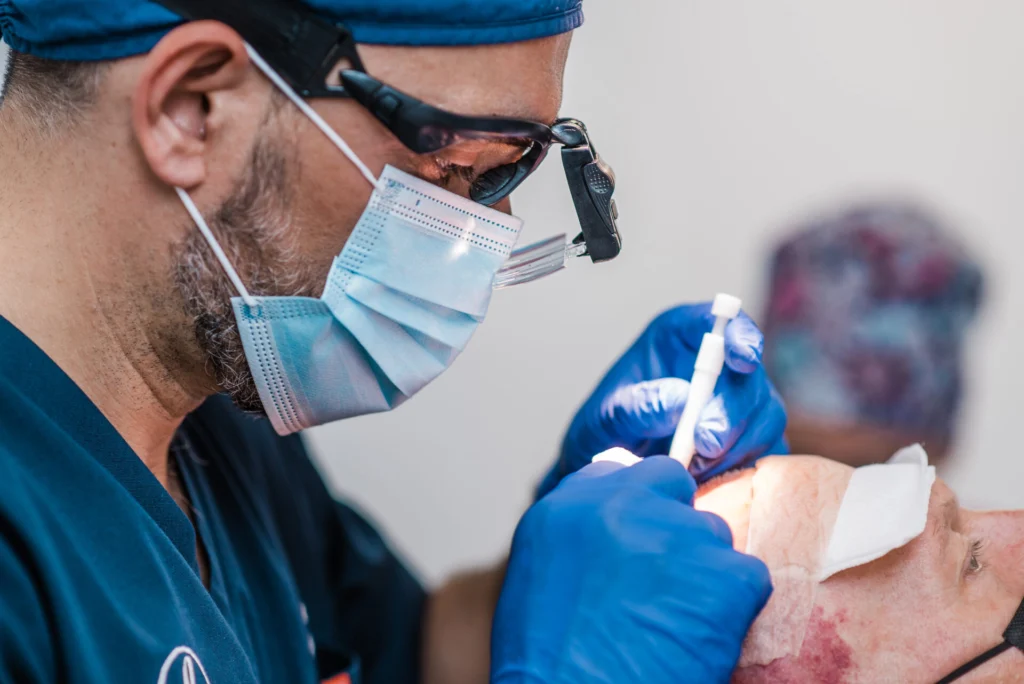
Follicular Unit Extraction (FUE) Hair Transplant: FUE hair transplants involve the transfer of individual hair follicles to thinning areas, resulting in natural-looking results. Ideal for individuals with short hair, as it results in minimal scarring.
Medications: Minoxidil, finasteride and dutasteride can treat hair loss and support new hair growth, either alone or in combination with other treatments.
Platelet-rich plasma (PRP) therapy: Uses your own blood platelets to stimulate hair growth, strengthen existing hair, and help prevent hair loss.
While normal shedding does not require treatment, telogen effluvium may necessitate medical support if the shedding feels like excessive loss or you notice more strands than usual.
Key Takeaway: TE is usually temporary, and once the cause is corrected, hair often regrows.
Take the next step on your restoration journey! Book your appointment over Zoom or in person at our Glasgow hair loss clinic.
Experiencing hair loss and hair shedding can feel isolating, but you are not alone in this. At Dr Bonaros’ hair loss clinic, we help patients across the UK regain their confidence through advanced treatments.
We take a patient-first approach, ensuring that every treatment plan is tailored to your unique needs. Our evaluation considers your medical history, lifestyle factors and personal goals to develop the most effective path forward for your hair restoration journey.
Now that you understand “What is normal hair shedding vs hair loss?”, find out more about hair health in our free resource library.

Micropigmentation is a form of tattoo applied to the scalp to conceal bald spots.

Among all the features of the head of hair, the frontal hairline is the most significant.

Can Women Have Hair Transplants? Hair loss can be a distressing experience; no gender is spared. However, while hair transplantation is commonly associated with male pattern baldness and receding hairlines, women also take great care to consider hair restoration treatments. So, can women have hair transplants? Read further as we

Your diet plays a surprisingly large role in the growth of your hair. Just like eating the right diet can keep you healthy and fit, the right food can help to stimulate hair growth and keep your hair strong and healthy as you get older.

Low-dose oral minoxidil can be an alternative to topical minoxidil in the treatment of hair loss.

Androgenetic alopecia (AGA) occurs in women and is defined as female pattern hair loss (FPHL). Female pattern hair loss can begin at any age from teenage through middle age.


