
Normal hair shedding vs hair loss
Explore the science behind hair loss vs hair shedding.
| Feature | Normal Hair Shedding | Hair Loss |
|---|---|---|
| What it is | A normal part of the hair growth cycle. Everyone sheds hair daily. | A reduction in hair density, thinning, or bald spots that go beyond normal shedding. |
| How much hair is lost per day | It’s normal to shed 50–100 hairs a day. | Noticeably more than 100 hairs per day, or visible thinning/bald areas. |
| What you notice | Extra hairs on your pillow, shower drain, or brush, but scalp and hair still look full. | Wider parting, scalp showing through, receding hairline, or patchy bald spots. |
| Most common causes | Natural hair cycle, brushing/washing, seasonal changes. Temporary triggers can cause excessive hair shedding. | Family history (male or female pattern baldness), underlying health conditions, scarring from skin diseases, tight hairstyles (traction alopecia) and ageing. |
| Outcome | Completely normal, hair regrows naturally. | May need treatment to slow, stop or sometimes reverse. Not always fully reversible. |
What is hair shedding?
Hair shedding is a natural process that occurs as part of your hair’s growth cycle. Your hair doesn’t grow continuously. It goes through different phases, and shedding happens when hairs reach the end of its life cycle.
There are two main types of hair shedding:
- Normal Shedding: The everyday loss of hair that’s part of your body’s natural renewal process.
- Telogen Effluvium: Excessive hair shedding that goes beyond what’s normal and can be triggered by various factors.
Normal hair shedding
A daily shedding range of 50-100 hairs per day is standard as part of your hair growth cycle. This might sound like a lot, but with around 100,000 hair follicles on your scalp, losing 100 hairs represents less than 0.1% of your total hair.
As your hair grows in cycles, each follicle moves through different phases:
- Anagen (growing phase): Active hair growth, lasting 2 to 8 years. Most hairs on your scalp (about 90–95%) are in the anagen phase.
- Catagen (transition phase): Short phase of 4–6 weeks where hair growth slows and follicles shrink. Only a few hairs are in this phase at any time.
- Telogen (resting phase): Lasts 2–3 months, during which hairs stop growing. Approximately 5–10% of hairs are in the telogen phase, and 100–150 hairs are shed daily.
- Exogen (shedding phase): Hair naturally falls out at the end of the telogen phase.
This type of shedding is simply your hair’s way of making room for new, healthy strands to grow. The hairs you lose during normal shedding will typically be replaced by new ones growing from the same hair follicles.
Telogen effluvium
How many hairs you lose will depend on several factors. Telogen effluvium (TE) is characterised by severe shedding that exceeds the standard daily hair loss, often resulting in more than 100 shed hairs per day.
It occurs when a large amount of hair in the anagen phase stops developing prematurely due to a trigger. These hairs then transition into the catagen phase and shortly after into the telogen phase, leading to excessive shedding.
Common triggers of increased hair shedding include:
- Physical stress: Major illness, high fever, substantial weight loss, or surgery
- Emotional stress: Significant life changes, trauma, a stressful event, or long-term pressure
- Hormonal changes: Pregnancy, childbirth, menopause, thyroid disorders, or stopping birth control pills
- Medications: Certain antidepressants, blood thinners, or other medications
- Nutritional insufficiencies: Iron and protein deficiency or crash dieting
- Harsh chemicals and hair products: Bad hair habits like frequent use of bleach, dyes, relaxers, or excessive heat-styling products
The timeline
Telogen effluvium doesn’t happen immediately. There’s typically a 2-4 month delay between the triggering event and when you start experiencing excessive hair shedding.
Recovery timeline:
- 3-6 months: Hair returns to regular shedding pattern (after trigger is resolved)
- 6-12 months: Generally, full hair regrowth
The condition is usually temporary. Once the underlying trigger is addressed, your hair cycle can return to its normal state.
Are you experiencing noticeable thinning hair or hair loss?
Book a consultation with Dr Bonaros for a comprehensive assessment and tailored treatment plan.
What is hair loss?
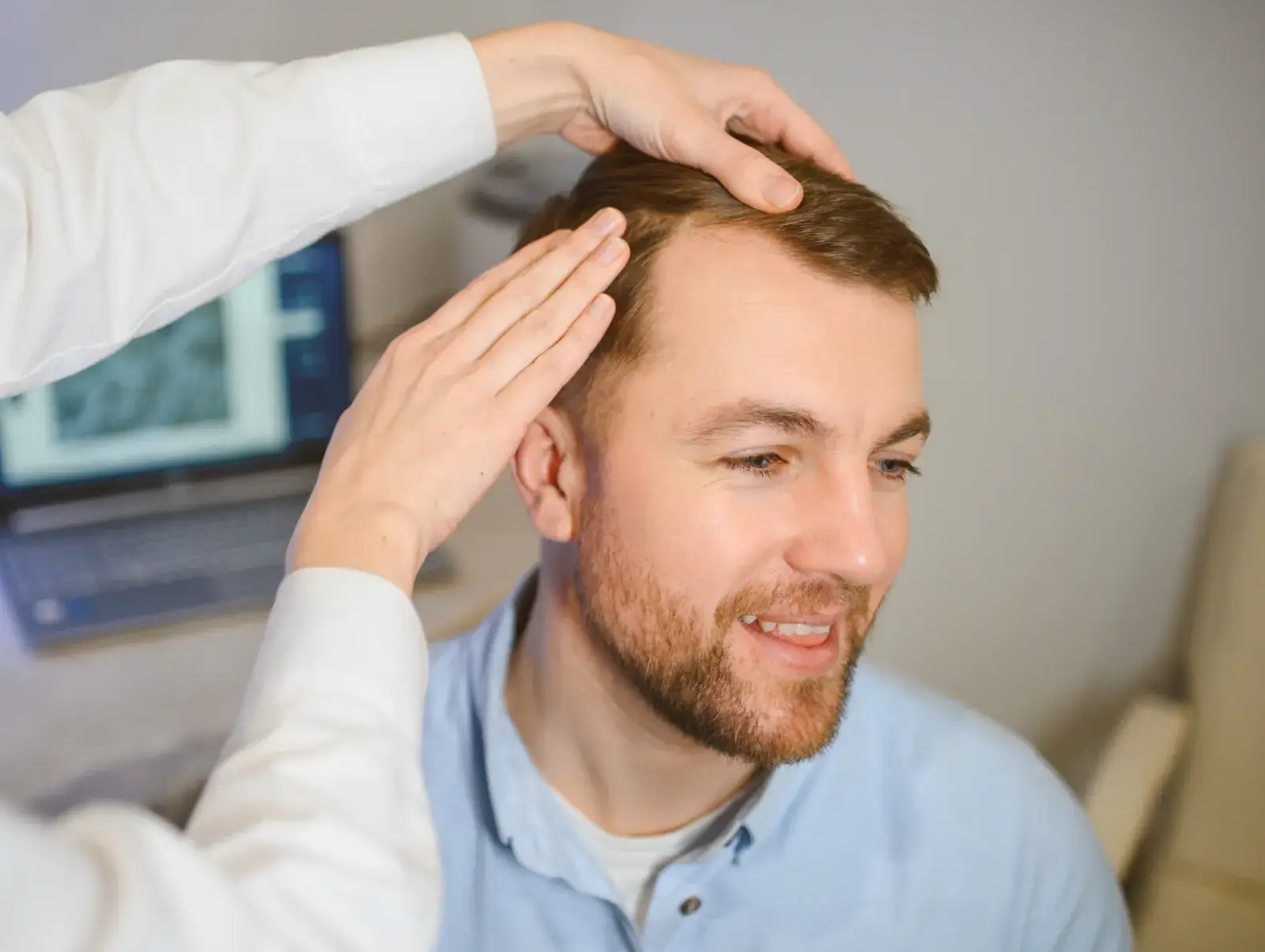
Highly noticeable, hair loss is characterised by hair thinning or bald patches, accompanied by a reduction in density.
Unlike hair shedding, where hairs are replaced, hair loss occurs when fewer new hairs grow to replace the ones that fall out, or hair follicles stop producing hair altogether.
Common types of hair loss
There is no single cause of hair loss. Many conditions can cause your hair to fall out, such as:
- Androgenetic alopecia (female or male-pattern baldness): It is hereditary and exhibits typical thinning patterns.
- Senescent alopecia: age-related thinning without a family link.
- Alopecia areata: patchy hair loss caused by the immune system attacking the hair.
- Traction alopecia: Caused by tight hairstyles or styling practices.
- Scarring alopecia (cicatricial alopecia): This type of alopecia, like anagen effluvium, damages follicles and is harder to treat as it causes permanent hair loss.
Treatments for hair shedding & hair loss
Lifestyle changes: The first step in managing hair loss and shedding is to adopt a healthy lifestyle with a balanced diet and regular exercise.
Browse the various treatments for excessive shedding and hair loss to regain your confidence.
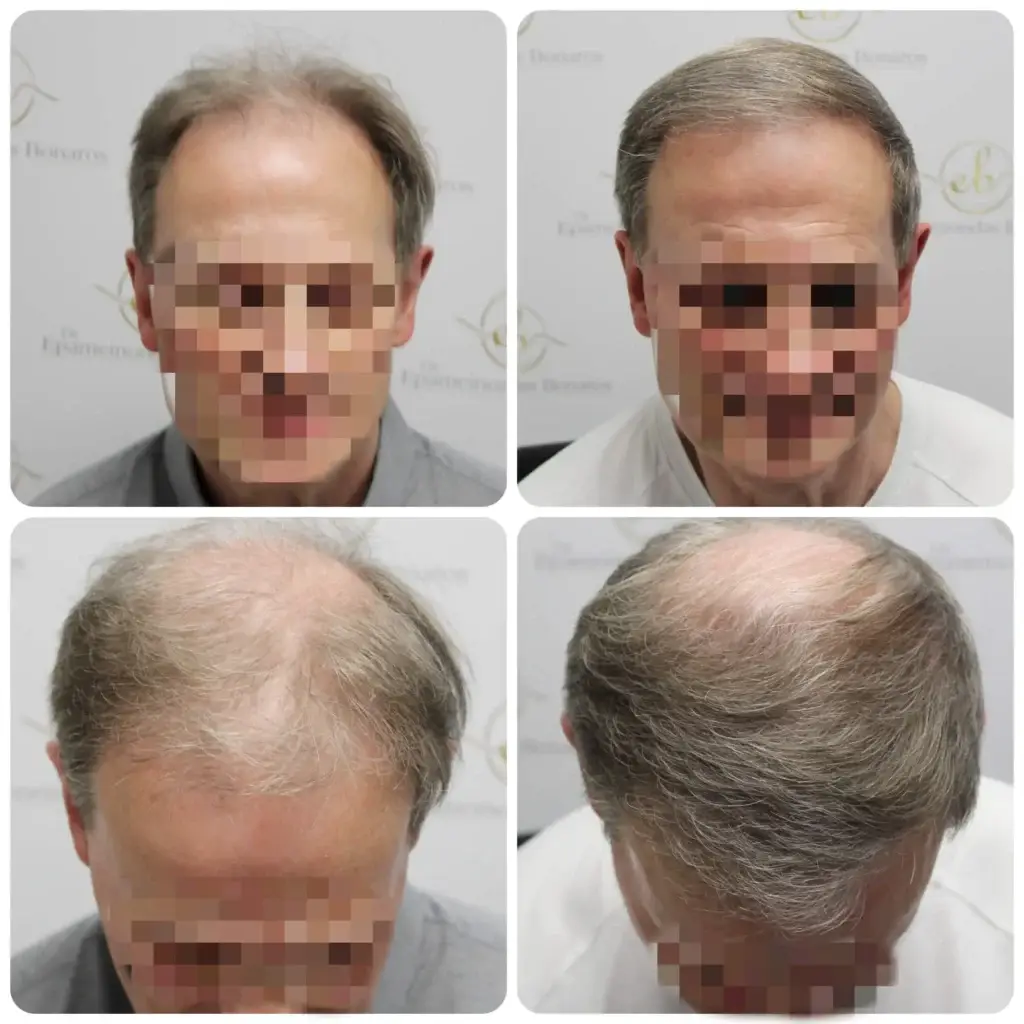
There are a variety of options to help those who are losing hair, experiencing hair fall, or want to prevent hair loss, including:
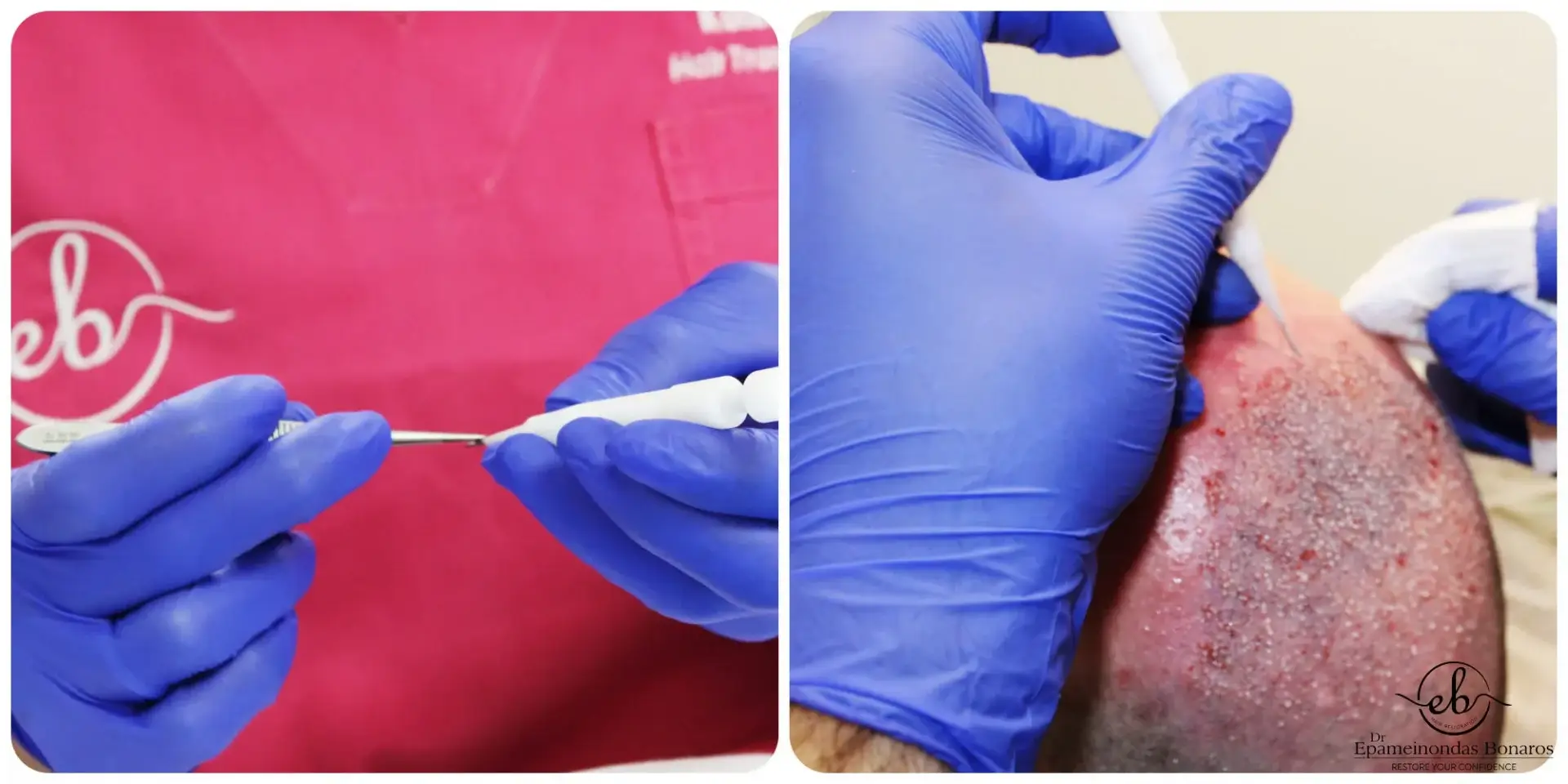
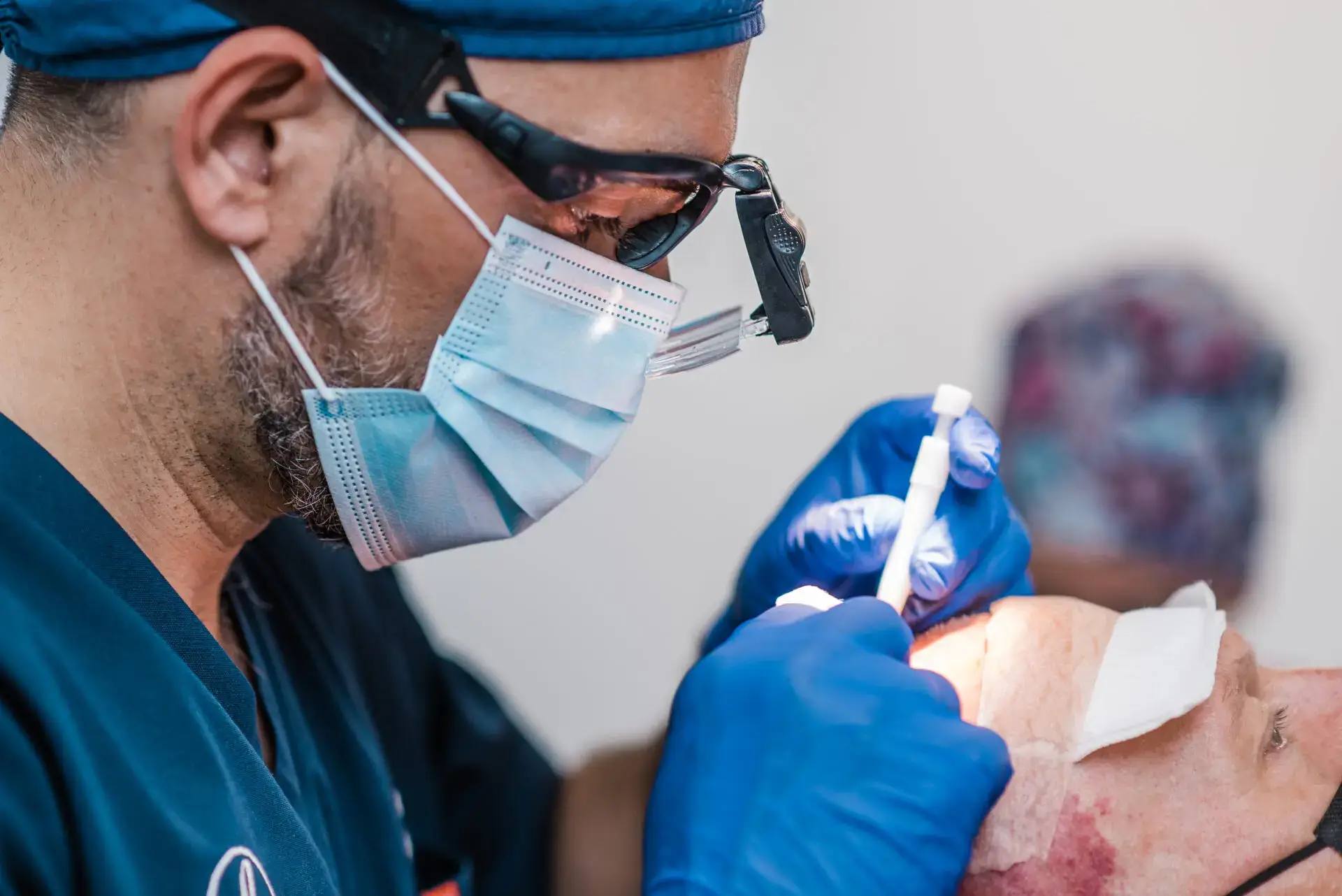
- Follicular Unit Extraction (FUE) Hair Transplant: FUE hair transplants involve the transfer of individual hair follicles to thinning areas, resulting in natural-looking results. Ideal for individuals with short hair, as it results in minimal scarring.
- Medications: They can treat hair loss and support new hair growth, either alone or in combination with other treatments.
- Platelet-rich plasma (PRP) therapy: Uses your own blood platelets to stimulate hair growth, strengthen existing hair, and help prevent hair loss.