FUT vs FUE vs DHI vs Sapphire FUE
Are you confused by the various terms used to describe hair transplant surgery?
Reviewed by Dr Epameinondas Bonaros
Scalp micropigmentation -SMP- is a non-invasive treatment that uses micro-needles to deposit pigment into the scalp. It can create the illusion of small follicles in bald or thinning areas of the scalp, helping to thicken and restore the look of fuller hair.
Scalp micropigmentation differs from a hair transplant because it does not involve removing hair follicles from a donor site or implanting them into a recipient site. As a result, you don’t grow any new hair.
On the other hand, scalp micropigmentation requires no surgery and is less expensive than a hair transplant in the UK. It can be used in all forms of hair loss, while a hair transplant is mainly indicated for male and female pattern hair loss.
Scalp micropigmentation is a form of tattoo that can be used to hide the appearance of bald spots on a person’s scalp. Scalp micropigmentation is an alternative treatment option for patients who are not candidates for hair transplant surgery and want to keep their hair very short or shave their hair to scalp level.
Scalp micropigmentation fades over time and requires top-ups every three to five years. If your hair colour changes in the future, the pigment can also be changed.
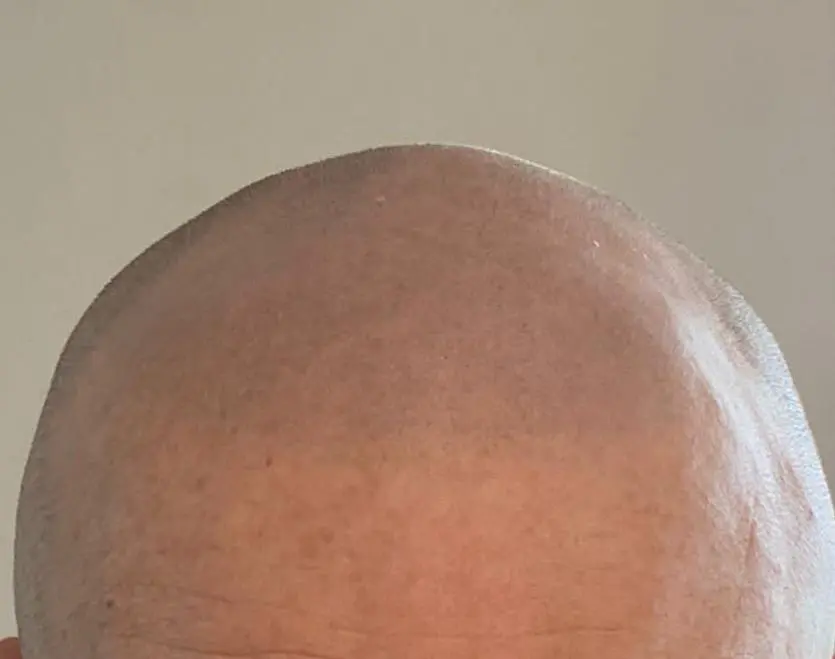
Scalp micropigmentation (SMP) is a treatment for baldness that does not make hair grow back. It creates the look of a shadow or buzz cut and works well for men who buzz their heads or men and women who want to fill in thinning areas without undergoing a hair transplant.
The SMP procedure is typically done over three sessions, spread out two weeks apart from each other. Each session reinforces the pigment for long-term retention and may take one to three hours.
SMP does not affect hair transplants. The transplanted hair can be placed directly over the SMP without any problems or complications.
If you just had a hair transplant, it’s recommended to wait at least nine months before you get SMP, so that all the transplanted hair grows out. This is because if you get SMP too soon, it can cause damage to the grafts and result in hair loss.
The micropigmentation procedure is non-surgical and has few if any, risks of adverse side effects. However, some allergic reactions to or infections from the ink can occur.
More research is needed to determine the potential long-term health effects of pigments in your skin. You can minimise risks by finding a clinic with experience using high-quality ink and sterile instrumentation and has extensive experience in best practices for micropigmentation.
There are many options for hair restoration. Before you decide on scalp micropigmentation, make sure you’re comparing all your options. Schedule a consultation with Dr Bonaros to get his expert opinion on the best hair restoration option for you.
This content was written and medically reviewed by Dr. Epameinondas Bonaros, a hair restoration specialist based in Glasgow.
Dr. Bonaros is a GMC-Registered Doctor (No. 7566786), a Diplomate of the ABHRS, and a Full Member of the ISHRS. Dr. Bonaros personally performs every FUE procedure at his clinic to ensure the highest standards of safety and clinical excellence.
Last medically reviewed: December 2025

Are you confused by the various terms used to describe hair transplant surgery?

Traction Alopecia — Causes, Symptoms & Treatments Your hairstyles play a key role in the overall health of your hair. Certain hair practices can put excess strain on your hair follicles, leading to a type of hair loss known as traction alopecia. Read on to find out everything you need

Does Creatine Cause Hair Loss? The Myth vs The Facts Creatine is one of the most studied supplements for boosting athletic performance and muscle strength. Yet common concerns still arise, like “Does creatine cause hair loss?” A 2009 study fueled this belief by suggesting a potential link between creatine supplementation

So, you had a hair transplant. When can you expect to see the results?

The Latest Hair Transplant Technology & Treatments Some of the latest hair transplant technologies may seem attractive, but they require further research. Meanwhile, others are already improving the hair density of patients and offering permanent solutions to hair loss. At Dr Bonaros’ Hair Transplant Clinic, we stay up-to-date with the latest

Hair transplants are performed more than ever before. Unfortunately, so is hair transplant repair surgery.