
Why Is Hair Loss So Upsetting?
Hair loss has a substantial impact on our sense of self. When we start losing hair, surprisingly to some, our worlds can be shaken. A person’s relationship with others and with oneself changes. Why?
Hair has a symbolic meaning in all world cultures. It has always been associated with strength and youth. Do you remember the myth of Samson?
In modern times, voluptuous hair is an emblem of vitality and desirability. Therefore, it is perfectly natural for you to feel unsettled when you notice your hair rapidly falling off.
Psychological Effects of Hair Loss
Scientific research on hair loss confirms professional and personal experience with alopecia and its effects. Hair loss is linked to increased vulnerability to depression, anxiety spectrum disorders, and loss of self-esteem.
- Depression arises from the symbolic meaning of hair for a person’s sense of self. In a way, when people lose their hair, their experience is equated to bereavement. They need to grieve the loss. It is more than hair. It is a loss of identity as it was felt before. It might also be the loss of plans and visions one had for themselves and their future.
- Anxiety spectrum disorders are more common among individuals with alopecia than in the general population. Most frequent are social anxiety or social phobia. Fear of being judged and ridiculed can be overwhelming. As a result, you could even start withdrawing from social life.
- Loss of self-esteem comes as a natural consequence of the importance our culture puts on physical looks. When we experience hair loss, we expect to be belittled and stigmatized because of it. Even if it did not happen, the mere anticipation would be enough to cause a decline in one’s self-confidence.
All these adverse outcomes of hair loss can then lead to a range of negative consequences. You could start underperforming professionally. Your social and love life could deteriorate. Initial hair loss could set the stage for a vicious circle of adversity. Do not let it happen.
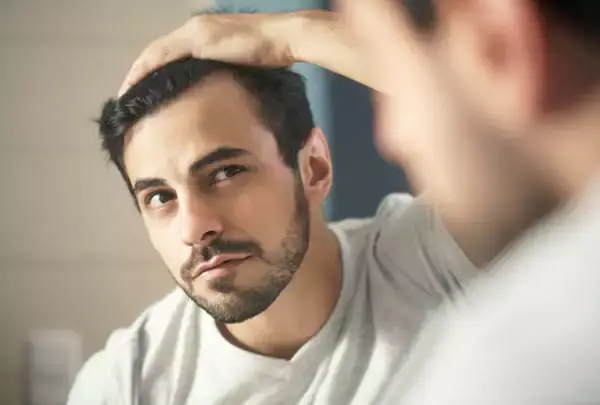
The Additional Risk Factors
The context in which hair loss happens is critical. If high levels of stress trigger alopecia, this could contribute to more severe reactions. When you are going through a rough patch, you are already dealing with more than you can handle. Losing your hair may be the last straw. Also, the more prominent the loss of hair, the grimmer the emotional outcomes usually are.
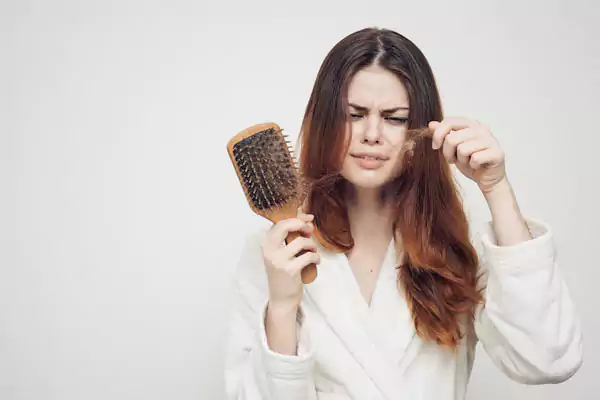
Although Women Are Less Often Affected by It, They Tend to Have Graver Reactions to Hair Loss
Hair is a symbol of femininity from the earliest age. It is also strongly associated with a woman’s attractiveness and sexuality. Losing it is extremely difficult for most women. However, adverse reactions are not unavoidable. You are not destined to be depressive, lonely, and insecure. You can choose between many options available nowadays to treat hair loss.
Are you experiencing noticeable thinning hair or hair loss?
Book a consultation with Dr Bonaros for a comprehensive assessment and tailored treatment plan.
How to Cope with Losing Your Hair
Alopecia affects not just your body, but also your mind. Therefore, you need to approach it from both angles. To cope with hair loss, you can try the following:
- Reframe your perspective. Hair loss may be evident. But you do not have to give it the central place in your relationship with yourself. Your hair is only one physical aspect of yourself. Your real quality, strength, and attractiveness come from within.
- Consider psychotherapy or counselling. Emotional disturbances coming from hair loss are real problems.
- Consider reaching out to a professional in mental health. They could help you learn adaptive ways to cope.
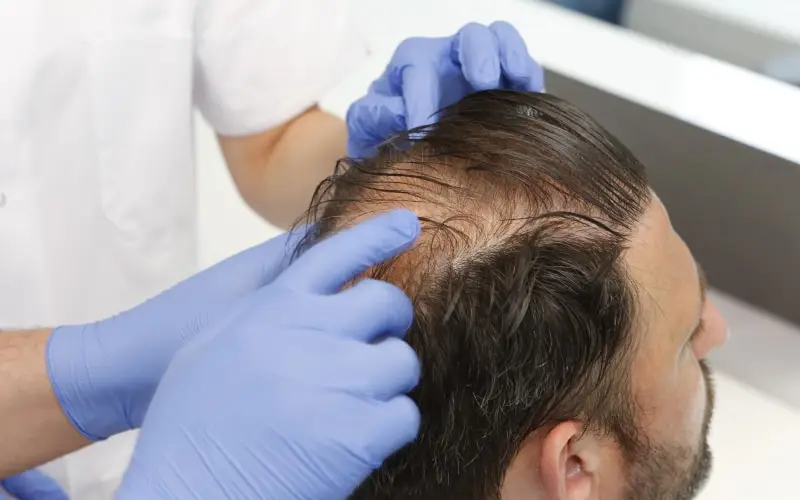
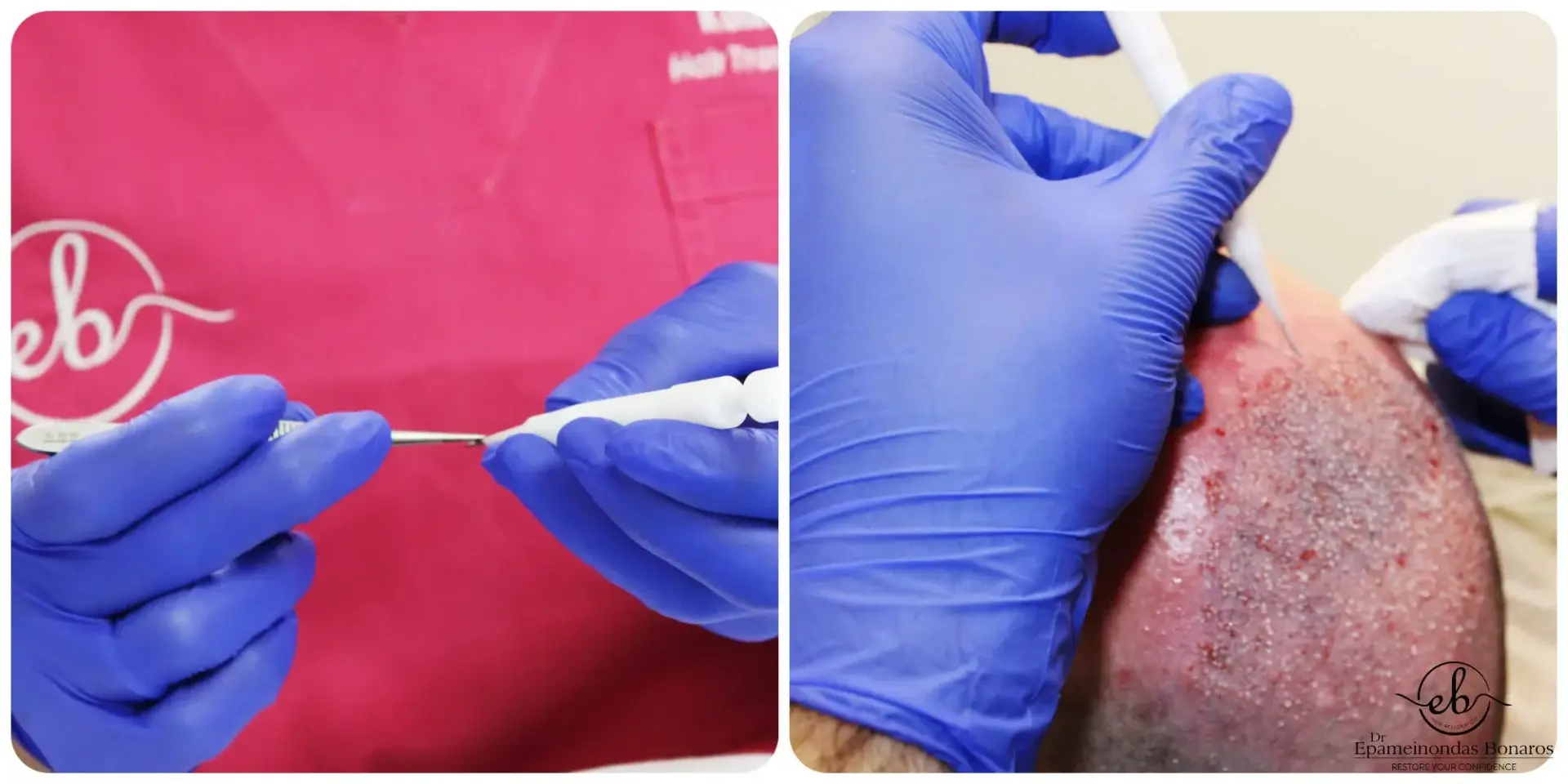
Address the problem head-on. Loss of hair is something you can stop. Even more so – you can even reverse it! Consider hair regeneration and hair transplantation treatments. They can give you back your confidence and looks.
Regain Your Confidence
Alopecia does come with a risk of losing more than just your hair. Given how important hair is for our identity and self-esteem, hair loss can have a negative psychological impact on your life.
Fortunately, you do not have to learn to live with this fact. Alopecia is a treatable medical issue. Thanks to modern medicine, you can restore your life satisfaction. Schedule your consultation with Dr Bonaros, get your looks back and rebuild your self-confidence.