

Psychological Relationship Between Anxiety, Stress & Hair Loss
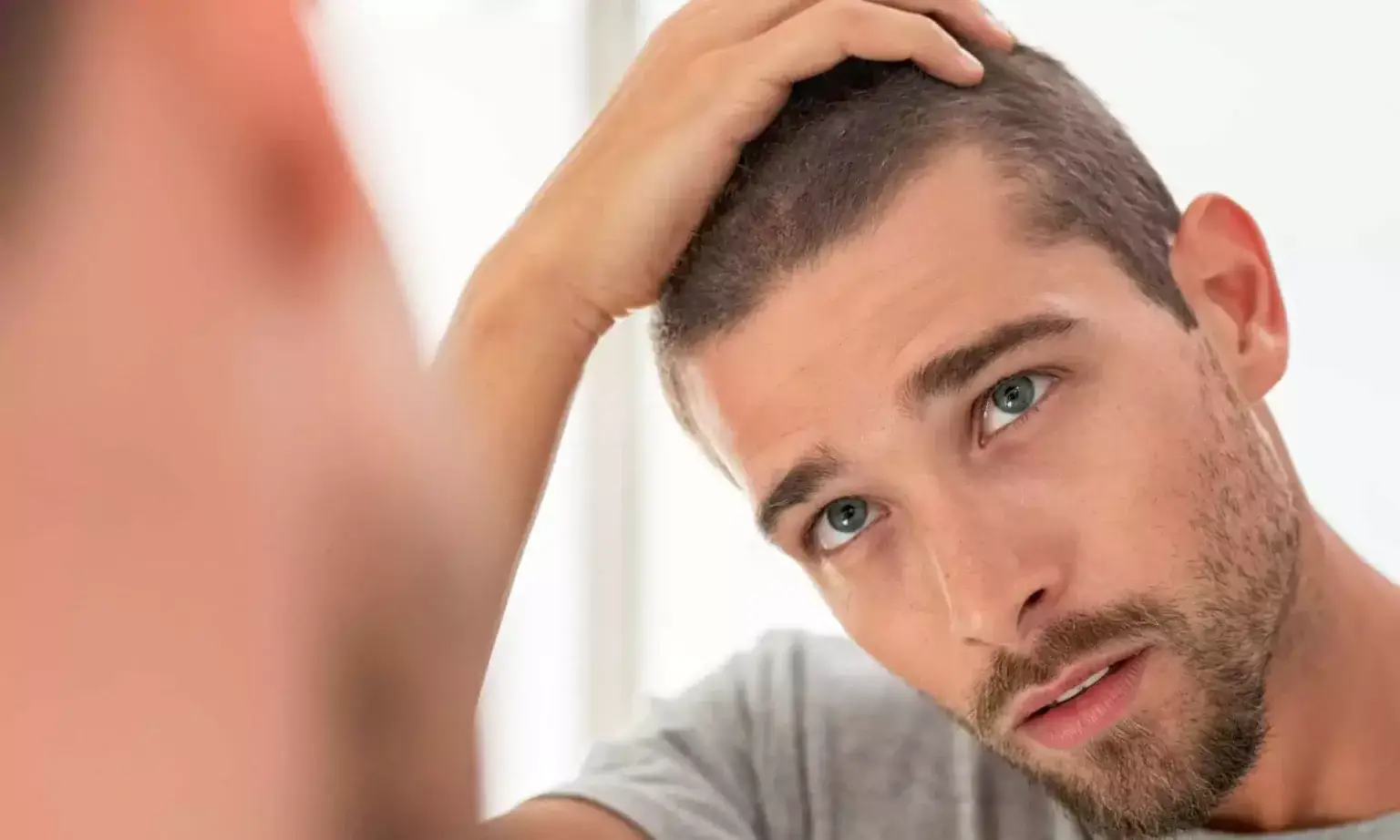
When we experience hair loss, we tend to think of anxiety as more of a consequence rather than asking, “Can anxiety be the cause of my hair loss?” It is true that hair loss triggers physiological effects, like stress and insecurity.
Anxiety is also a pervasive companion of hair loss. Those who are losing their hair often say that they fear being ridiculed. Some even develop social anxiety and withdraw from social life altogether.
Studies have revealed that anxiety levels also account for whether and to what extent hair loss will affect the quality of someone’s life. If a person has higher anxiety when their hair loss occurs, they are more likely to experience lower overall satisfaction with life.
However, this association between our mind and body works the other way, too. Stress and anxiety can also trigger or worsen hair loss.
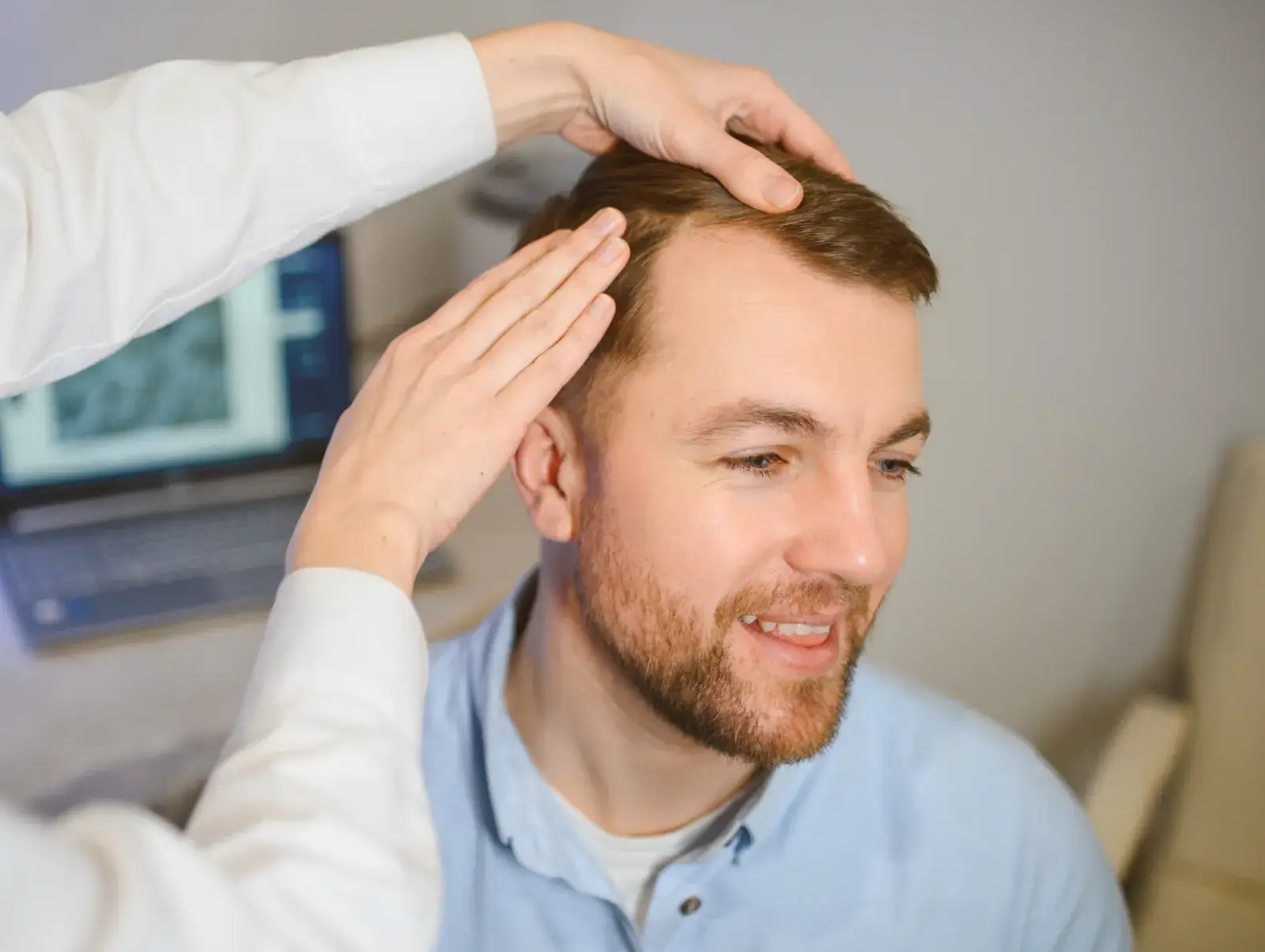
If you think you are suffering from hair loss due to anxiety, book an appointment with Dr Bonaros for a thorough examination and expert advice.
Mechanisms of Anxiety & Stress-Related Hair Loss
Now that you are aware of the relationship between the two, it makes sense to wonder, “How does anxiety cause hair loss?” Unfortunately, there is no definite answer.
Rather, researchers have developed several theories about the causes and symptoms of hair loss due to stress and anxiety.
Some of the most common theories include:
- Hormonal changes: Other researchers have examined how prolonged anxiety and chronic stress (resulting in increased stress hormones can affect the hair growth cycle. For example, individuals who have experienced trauma or are suffering from PTSD usually have high cortisol levels. This can disrupt their hair cycle, resulting in more noticeable hair thinning and loss.
- Anxiety medication: Some authors argue that certain medications for depression and anxiety disorders can trigger drug-induced hair loss. For example, some studies have highlighted a link between Mirtazapine and hair loss in depression patients.
Nutritional deficiencies: Some studies have also suggested a link between nutrient deficiencies and hair loss. When experiencing chronic stress, your body’s reaction involves producing stress hormones and, sometimes, suppressing your appetite. This can deplete your nutrient stores, resulting in deficiencies. Many nutrients (such as vitamins C and D) are essential for hair growth and, when depleted, can cause thinning hair or hair loss.
The exact mechanisms of hair loss from anxiety are still under-researched. Yet, one thing is known for sure — stress and physiological reactions associated with anxiety can and often do induce several types of hair loss.
4 Types of Hair Loss Associated With Anxiety
The relationship between anxiety and hair loss is fairly complex. This is why the following four conditions are associated with the disorder in different ways.
Some are triggered by our physiology, while others are more psychological and related to mental health struggles.
1. Telogen Effluvium
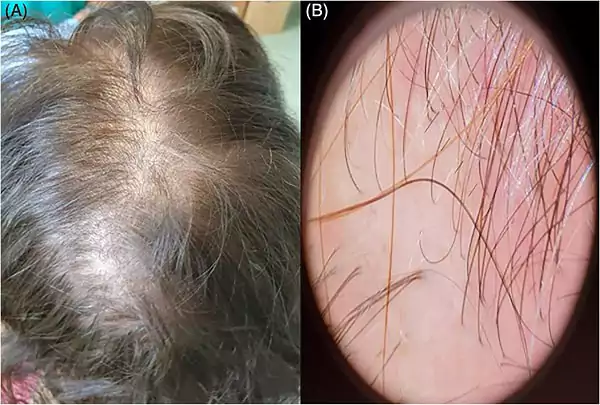
In order to understand telogen effluvium, you need to know the basics of the hair growth cycle. There are three main phases you should be aware of:
- The anagen (growth) phase: hair is actively growing
- The catagen (transitional) phase: hair growth slows, and follicular units become detached from the blood supply
- The telogen (resting) phase: hair follicles rest before naturally falling out to make space for new hair growth
In a normal hair cycle, the majority of hair follicles are in the growth phase. However, with telogen effluvium, significant stress and anxiety can push a large number of follicles into the resting phase. This causes the majority of your hair to stop growing.
As a result, much of your hair will fall out over the following few weeks or months. This hair shedding is usually unexpected and occurs during regular combing or washing rituals.
Thankfully, the effects of telogen effluvium are not permanent, and individuals generally regrow their hair once the shedding phase is complete.
2. Trichotillomania
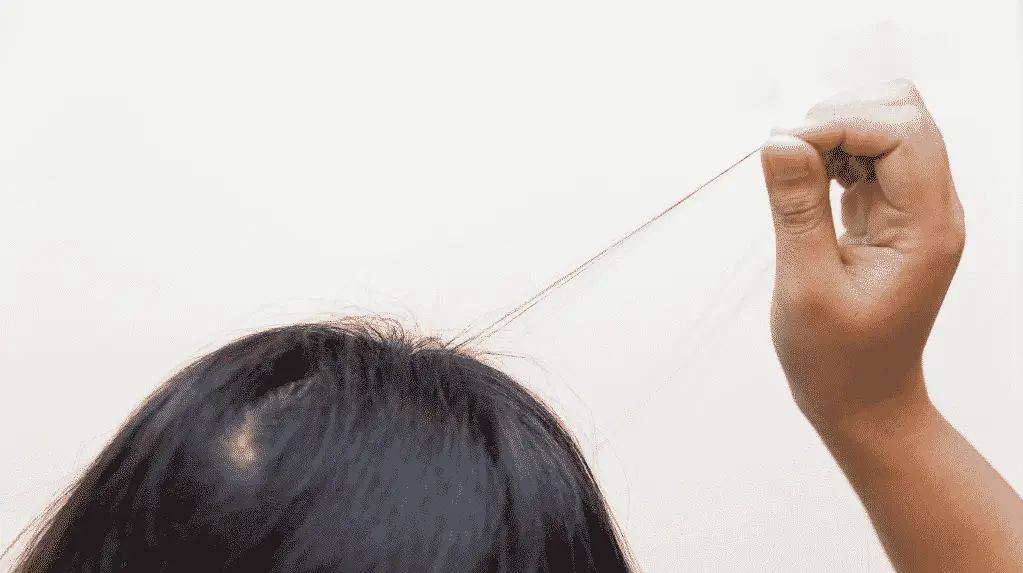
Trichotillomania is a mental health disorder that falls under the category of obsessive-compulsive disorders. It manifests as an irresistible urge to pull out hair on your scalp or other parts of your body. People affected by trichotillomania most often pull out their hair in situations of extreme stress and anxiety. This conscious or unconscious hair-pulling can also take place when they are tense or in any way dissatisfied.
While most people’s hair will grow back once they stop pulling, this hair regrowth can take several months to occur and may be uneven. Additionally, depending on the timeframe and severity of the hair pulling, trichotillomania-induced hair loss can sometimes be permanent.
3. Alopecia Areata
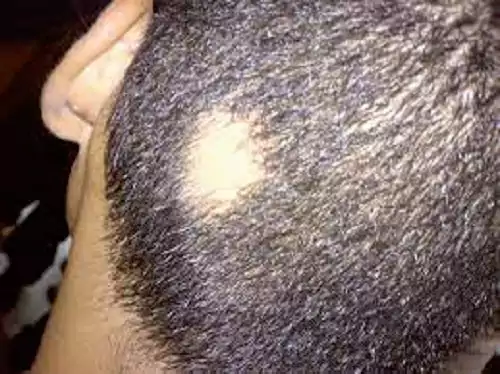
Alopecia areata is an autoimmune disease that can result in patchy hair loss. This can occur anywhere on the body, including the scalp.
One of the possible causes of alopecia areata is severe anxiety and stress. Scientists believe that these psychological states can trigger your body’s immune system, causing it to attack hair follicles. Consequently, your hair falls out.
Alopecia areata is a non-scarring form of hair loss. This means it is only temporary — although, in some cases, it can be recurring. While there is no definite ‘cure’ for this condition, the majority of sufferers will grow new hair as their normal hair growth cycle resumes.
Are you experiencing noticeable thinning hair or hair loss?
Book a consultation with Dr Bonaros for a comprehensive assessment and tailored treatment plan.
4. Androgenetic Alopecia
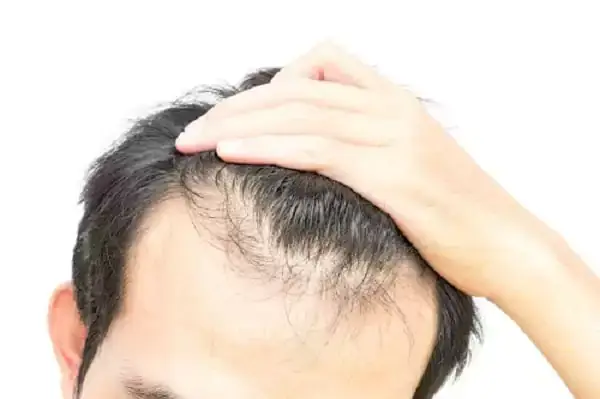
Androgenetic alopecia (also called male and female pattern hair loss) is not directly caused by anxiety. Nonetheless, it is sped up by this disorder. Individuals affected by hair loss often find themselves in a vicious cycle. Losing hair often triggers anxiety, which, in turn, causes more hair to fall out. Predictably, the more severe a person’s hair loss, the graver their anxiety becomes and vice versa.
Dealing With Anxiety to Tackle Hair Loss
In today’s fast-paced world, questions like “Can stress cause hair loss?” and “Does anxiety make you lose hair?” are becoming more common. Once you understand that the answer is a yes, you can start treating your hair loss at its root cause. When you set out to tackle anxiety, recovery from your associated hair loss will follow.
Below are 3 ways in which professionals address anxiety, its causes and consequences.
Psychotherapy
The best way to address stress and anxiety is to reach out to a professional. A psychotherapist will employ tested techniques to help with your anxiety. Cognitive-behavioural therapy (CBT) is one of the most efficient therapeutic approaches to treat anxiety.
Relaxation Techniques
Anxiety is a disorder in which your bodily reactions tend to interact with how your mind works. Together, they can produce a speed train of tension and apprehension. Relaxation techniques are widely used to teach anxious individuals how to regain balance after experiencing a wave of anxiety.
Cognitive Reframing
One of the primary triggers of anxiety is cognitive distortions — mistaken or false beliefs. An effective way to address these is to keep an automatic thoughts journal. This will help you notice and alter thinking patterns that are making you feel anxious.
Managing stress can be a challenge, but there is a silver lining. Once you manage to lower the levels of anxiety in your life, your hair is likely to start growing back. It may be a long process, but you can regain both your looks and confidence.
Other Treatment Options
In some cases, stress-related hair loss may not be temporary. However, this is not a cause for despair. Thanks to advancements in modern science and medicine, you can still look as you used to.
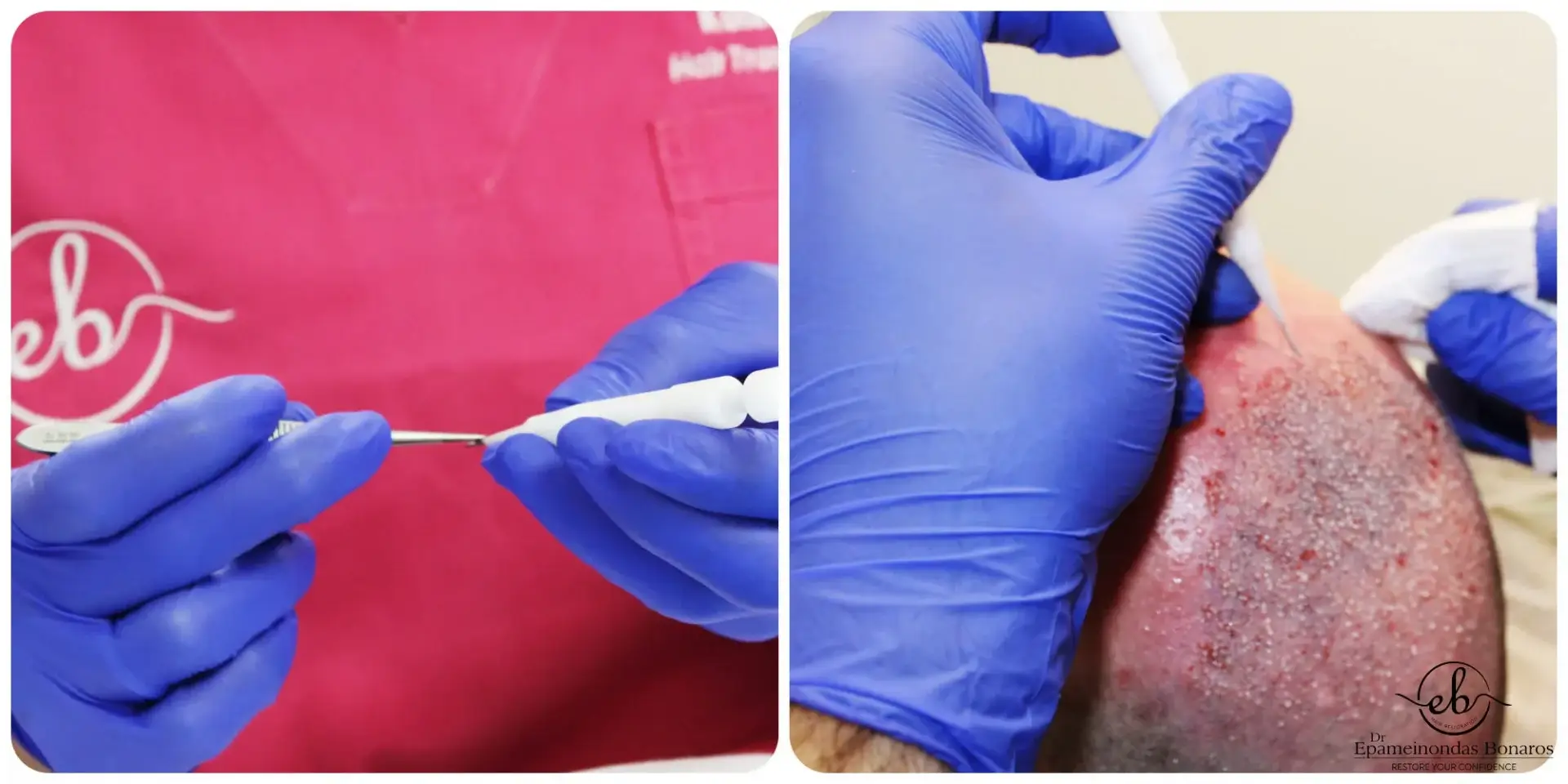
Particularly popular for androgenetic alopecia, an FUE hair transplant can help treat anxiety-related hair loss. Depending on your condition, there are also a variety of non-surgical treatments.