

How to Choose a Hair Transplant Clinic
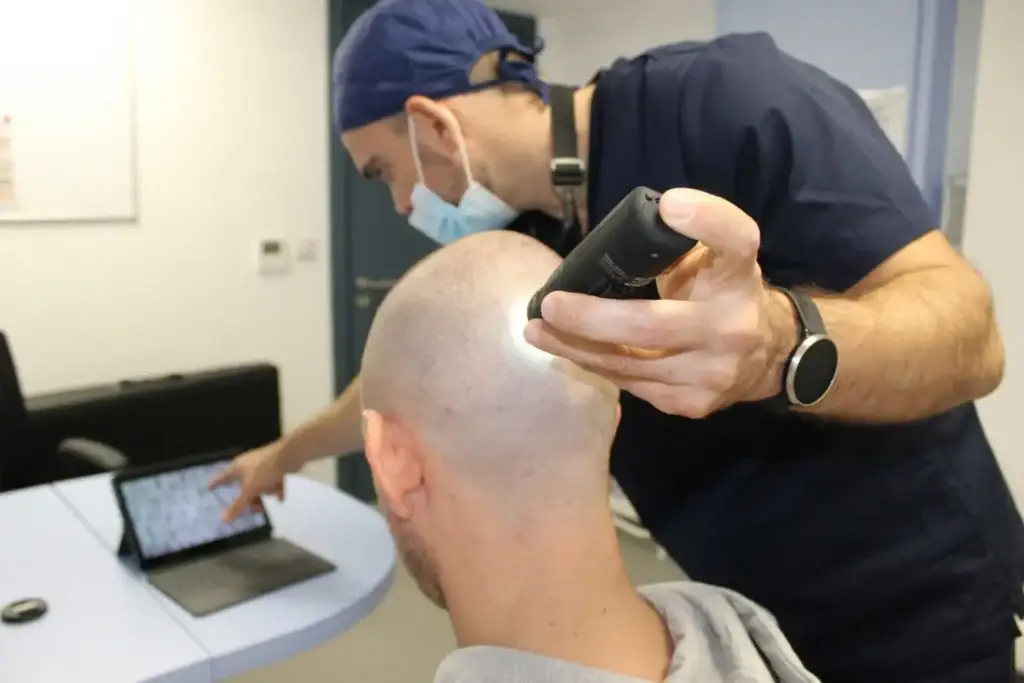
When researching how to choose a hair transplant clinic, it’s always best to focus on facilities with a well-established reputation, clear communication, and a patient-first approach. These factors are crucial for ensuring a successful restoration experience.
If you’re keen to learn more about what makes a hair transplant clinic a clear winner, read on for expert advice from one of the UK’s most successful hair transplant surgeons.
Are Hair Transplants Painful?
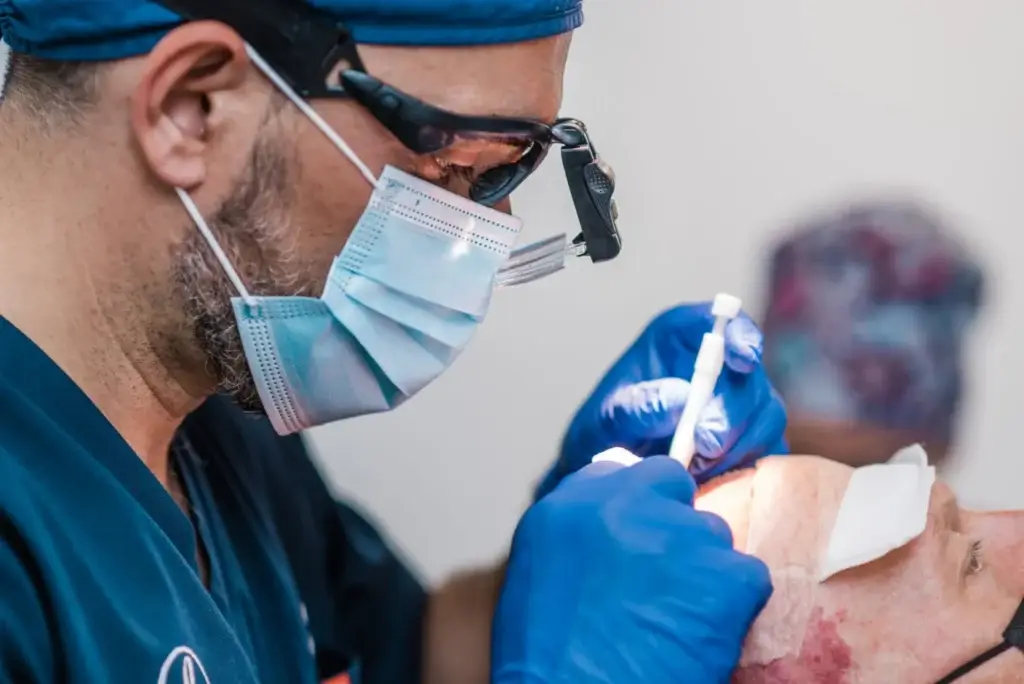
Many patients worry about experiencing pain during a hair transplant. This anxiety may cause you to delay hair transplant surgery. We know that hair loss can be a harrowing experience. Luckily, the solution doesn’t have to be distressing.
If you are holding off on getting a hair transplant out of fear of the pain, you’ll be delighted to hear that the procedure is relatively pain-free.
Does FUE Hair Transplant Surgery Leave Scars?
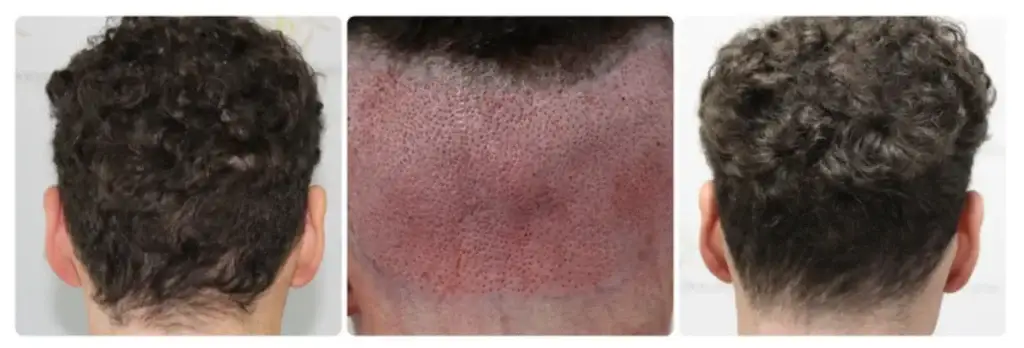
If you’re considering a hair transplant, one of the most common concerns is scarring, specifically, does a FUE hair transplant leave scars? The most straightforward answer is: yes, it does.
The good news is that these scars can be extremely subtle.
Hair Shedding After a Hair Transplant: What You Need to Know
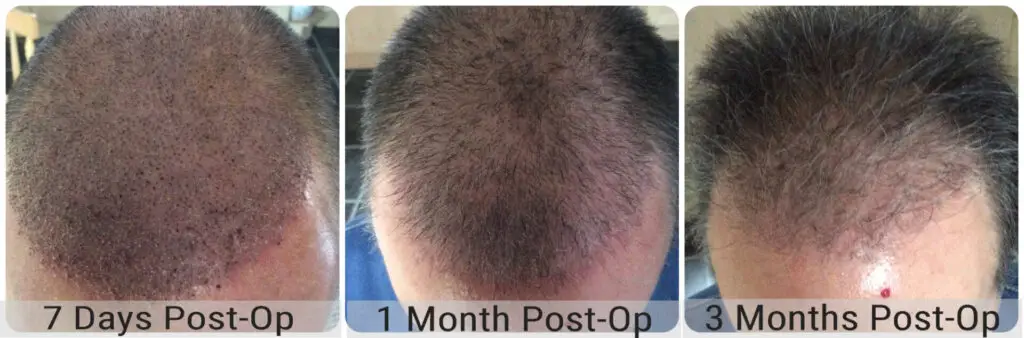
It’s understandable to feel concerned when you notice hair shedding after your hair transplant surgery. However, don’t worry, as it’s just a temporary phase.
Shedding is often referred to as “shock loss,” and understanding post-transplant shedding helps patients manage expectations, ensuring a smooth recovery.
Does Creatine Cause Hair Loss? The Myth vs The Facts

Creatine is one of the most studied supplements for boosting athletic performance and muscle strength. Yet common concerns still arise, like “Does creatine cause hair loss?”
A 2009 study fueled this belief by suggesting a potential link between creatine supplementation and elevated levels of dihydrotestosterone (DHT). DHT is a hormone connected with hair loss in individuals with a genetic predisposition.
Are Hair Transplants Permanent?
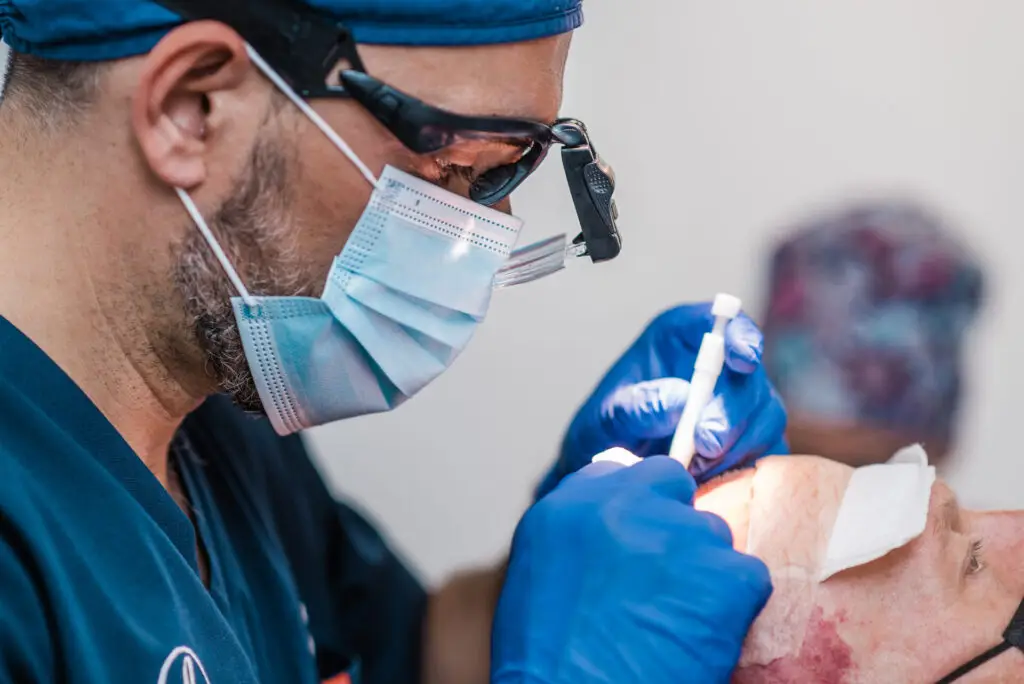
Are hair transplants permanent? While hair transplants were developed as a permanent solution for hair loss, the reality can be more nuanced. Permanence can vary depending on various factors. Read on as we explore what “permanent” really means in the context of hair transplant procedures.
FUE Hair Transplant Timeline
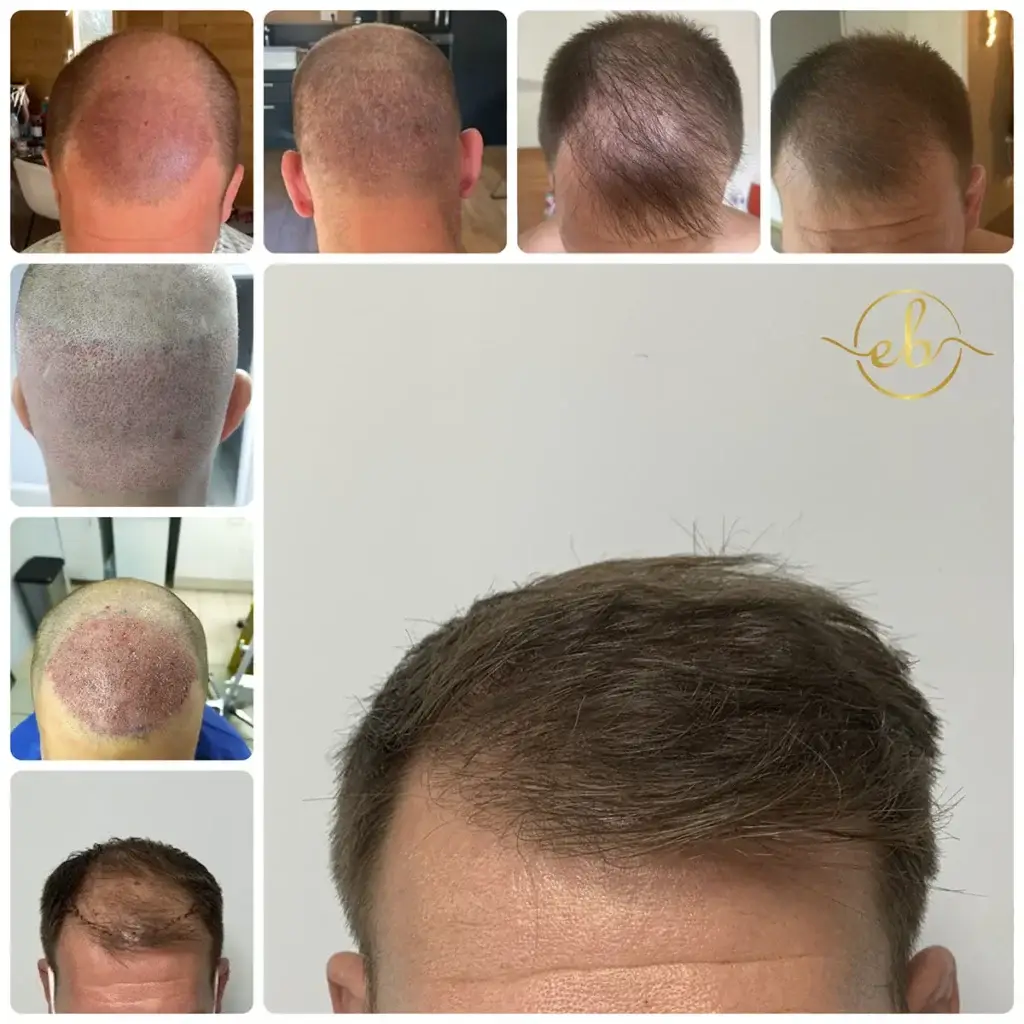
FUE Hair Transplant Recovery Timeline Our leading hair transplant clinic in Glasgow offers advanced FUE hair transplant procedures, allowing for less invasive surgery and faster recovery times. You can expect to be fully healed and enjoying the results of your investment within a few weeks after an FUE surgery. The donor and […]
Diffuse Unpatterned Alopecia (DUPA) Hair Loss — Causes, Symptoms & Treatments
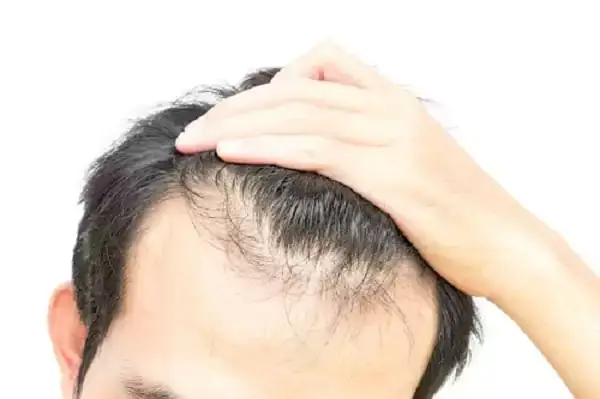
DUPA (Diffuse Unpatterned Alopecia) is a relatively uncommon type of hair loss that does not follow a specific pattern. DUPA hair loss causes overall thinning, resulting in a loss of hair density and coverage.
Continue reading this article to learn more about DUPA, including possible causes, symptoms and treatments.
Traction Alopecia — Causes, Symptoms & Treatments
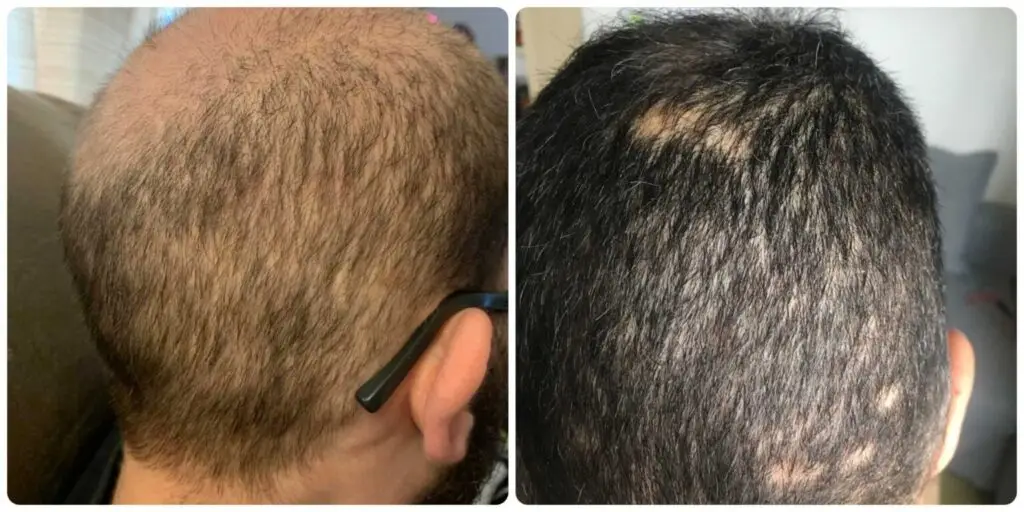
Your hairstyles play a key role in the overall health of your hair. Certain hair practices can put excess strain on your hair follicles, leading to a type of hair loss known as traction alopecia.
Read on to find out everything you need to know about traction alopecia, including its causes, symptoms, and available treatment options.
Retrograde Alopecia — Causes, Symptoms & Treatments
If you have noticed hair thinning at the nape of your neck or above your ears, you might be affected by retrograde alopecia.
This unique form of hair loss affects many individuals — yet often goes unrecognised. While studies into retrograde alopecia causes are limited, there are treatment options to manage the condition.
Continue reading to learn more about retrograde alopecia, including its potential causes, symptoms, and treatment pathways.