Chat with us on WhatsApp

FUE Scar Repair

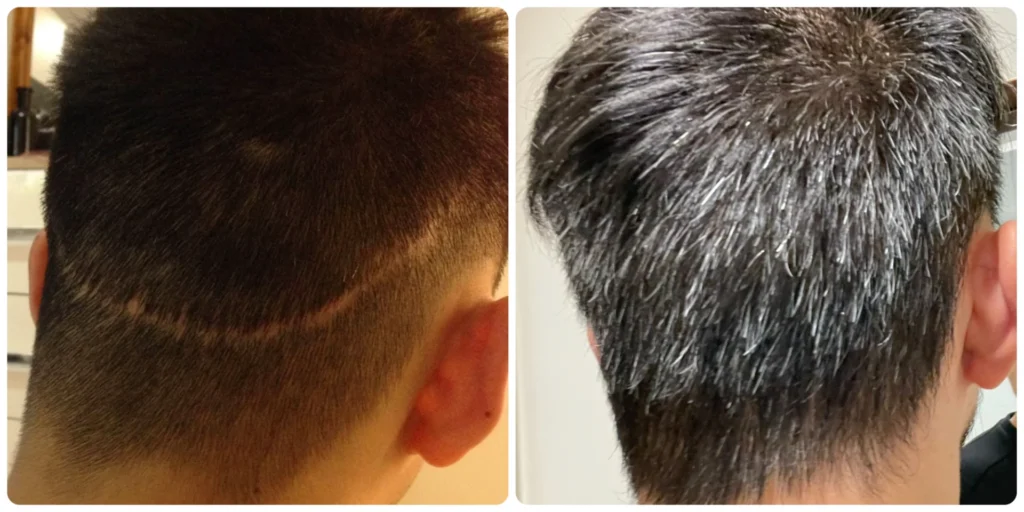
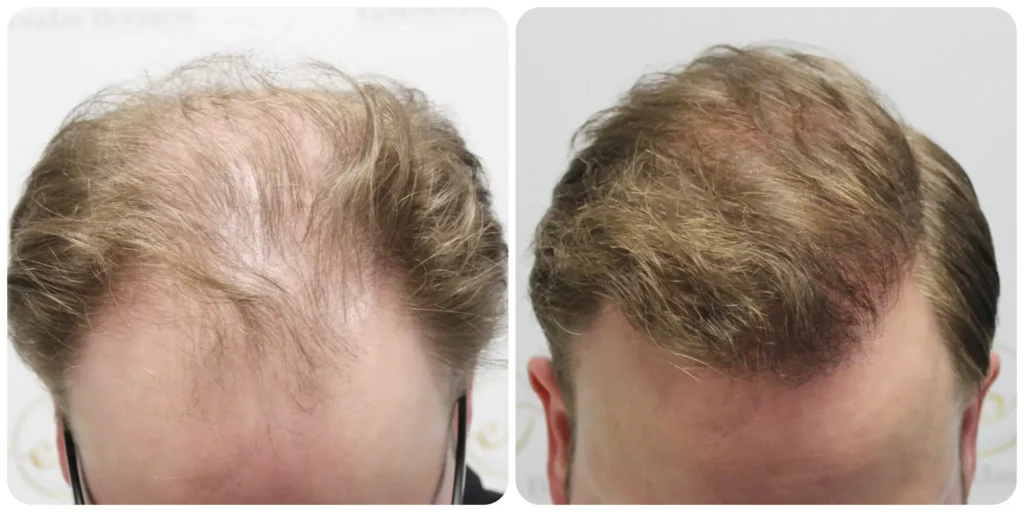
Follicular Unit Extraction (FUE) hair transplant for scar repair is an established and highly effective surgery under an experienced surgeon. During a FUE scar repair procedure, hair follicles are transplanted into scar tissue. Unlike traditional techniques (such as scalp micropigmentation), getting a hair transplant over a scar provides a permanent restoration solution.

Dr Bonaros provides FUE scar repair in Glasgow from his clinic. Dr Bonaros is a GMC-Registered Doctor (GMC No. 7566786)Verified ABHRS Diplomate, and a Full Member of the ISHRS. He personally performs each step of the procedure to ensure it’s done with precision.

Book a consultation or fill in our online assessment form below to find out if you are a good candidate for a scar repair transplant using the FUE method.

Understanding FUE for Scar Repair

Hair transplants have evolved remarkably over the years, shifting away from original hair transplants to providing solutions that extend beyond hair restoration for genetic hair loss. Today, FUE transplantation surgery stands as a beacon of hope for individuals seeking effective hair scar repair.

Scalp scarring can result from a variety of causes, including: 

Covering scars using advanced FUE techniques can significantly enhance your appearance and confidence.

Discover how this proven procedure has helped many patients regain a sense of normalcy and self-esteem after injury or surgery.

Suitability for Scar Repair Hair Transplantation

Success depends on various factors:

Before surgery, scars must be fully healed and mature. A mature scar is:

  • Pale in colour
  • Soft and flat
  • Supple and stable

If scars are still pink or raised, they may bleed during surgery, potentially dislodging newly implanted grafts. Waiting until scars have settled gives transplanted follicles the best chance to grow successfully.

Scarred skin often has reduced elasticity and may not hold grafts as easily as the normal scalp. A thorough assessment helps determine whether transplantation is possible and where grafts can be safely placed.

Healthy blood circulation is vital for graft survival. If the blood supply is limited, grafts are placed more sparsely to protect the skin and prevent complications. Adequate blood flow is essential for providing the nutrients needed to maintain these newly grafted hair follicles.

If a skin graft has been used in the area, there may not be enough tissue beneath it for transplantation. In some cases, fat grafting can help prepare the site by improving thickness and blood flow.

Patients should be physically healthy enough to undergo the procedure under a local anaesthetic.

You may be a good candidate for hair transplant for scar repair if your scars are fully healed, your scalp has enough blood supply, and there is sufficient donor hair available. During your consultation, Dr Bonaros will assess your skin’s condition and discuss the most suitable treatment for your specific case.

When Hair Transplant for Scar Repair Isn't Recommended

Important: Hair transplants for patients with active scarring alopecia

Transplanting hair into areas affected by active scarring alopecia carries considerable risks: 

  • Low survival rate: Fewer than 50% of transplanted hair follicles typically survive
  • May worsen your condition: A scar repair hair transplant can trigger more inflammation and hair loss

Scarring alopecia (also called cicatricial alopecia) occurs when the immune system mistakenly attacks hair follicles, causing permanent damage and scarring. It most commonly affects women in their 30s to 50s.

If you have this condition, talk to your doctor about treatments to control the inflammation first before considering any restoration treatments.

Pre-Operative Requirements

Hair transplant surgeons and patients will have several consultations before a hair transplant for scarring can take place. The purpose of these consultations is outlined below.

In-Depth Consultation

Before surgery, Dr Bonaros, a certified hair transplant surgeon, will do an in-depth consultation. During this initial consultation, we will:

  • Review your medical history
  • Assess the nature of your scarring 
  • Discuss your hair goals and expectations
  • Explain the procedure, including  potential risks and outcomes

The Importance of Accurate Scar Assessment

Before determining a treatment plan, Dr Bonaros will examine your scar tissue. This examination will cover various factors of your scar, such as the: 

  • Size
  • Texture 
  • Vascularity
  • Flexibility

Creating the Treatment Plan

With an understanding of the scar’s properties, a hair loss specialist like Dr Bonaros can develop a tailored treatment plan. A common approach for scars with compromised blood supply involves a two-step procedure.  

  1. The initial session targets a moderate density of follicles to avoid overwhelming the scar’s limited blood supply. 
  2. After a healing period of at least a year, a second procedure may be considered to enhance density while ensuring the optimal survival rate of the transplanted hair.

Depending on the scar characteristics and the patient’s health, a more aggressive single-step transplant might be feasible. However, setting realistic expectations and proceeding with caution is crucial to prevent damage to both the scar and the transplanted hair follicles.

Minimally Invasive Approach for Scar Coverage

At the Dr Bonaros hair transplant clinic, we use the WAW Duo FUE system for scar repair. This technology uses gentle extraction and implantation, improving healing and coverage. 

Its Hybrid Tornado Punch minimises trauma to the surrounding tissue, promoting better graft survival in scarred areas. 

While time-consuming, the system: 

  • Allows for precise control over angulation, depth, and oscillation 
  • Ensures optimal placement 
  • Improves the likelihood of successful graft integration even in challenging scar tissue. 

Post Operative Guidelines

Scar Repair Expectations

Knowing what to expect after your hair transplant for scars is essential for easing your recovery. 

  • After an FUE hair transplant procedure, you will most likely experience some discomfort in the transplanted area. However, this should subside after a few days. 
  • Post-operative hair shedding is common. This indicates the success of the procedure, as transplanted hairs fall out to allow for new hair growth. 
  • Despite this initial sign of progress, patients should maintain realistic expectations. Full results can take up to a year or more to become apparent, especially with a multi-stage treatment plan. 

Surgery Aftercare

After an FUE hair transplant for scars, Dr Bonaros will provide detailed post-procedure care instructions to ensure optimal healing and hair growth.

These instructions include:

  1. Guidance on how to wash your hair.
  2. List of activities to avoid during your recovery period.

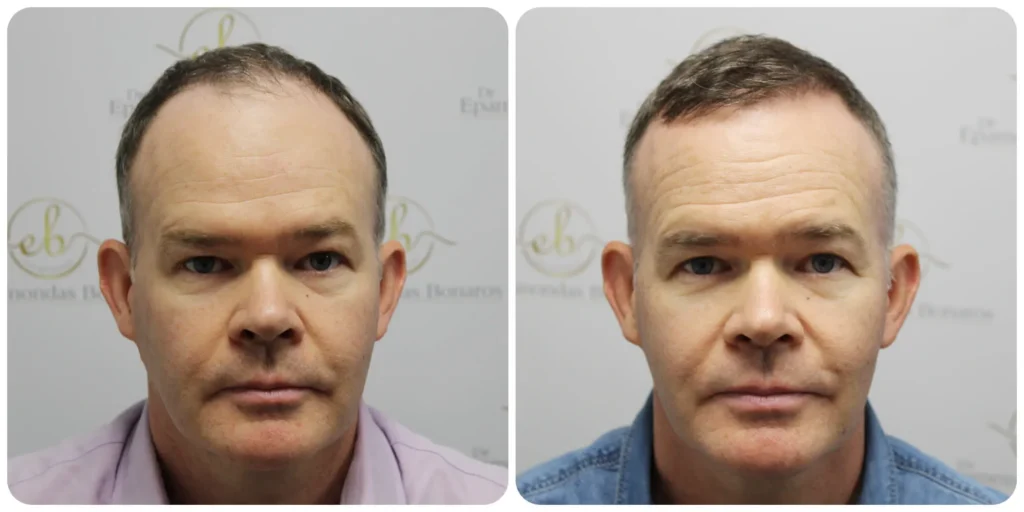
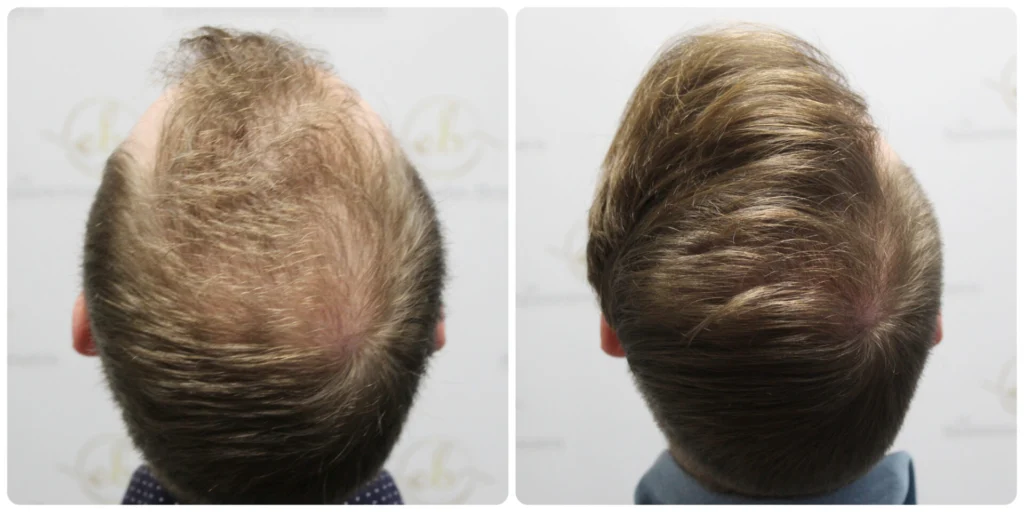
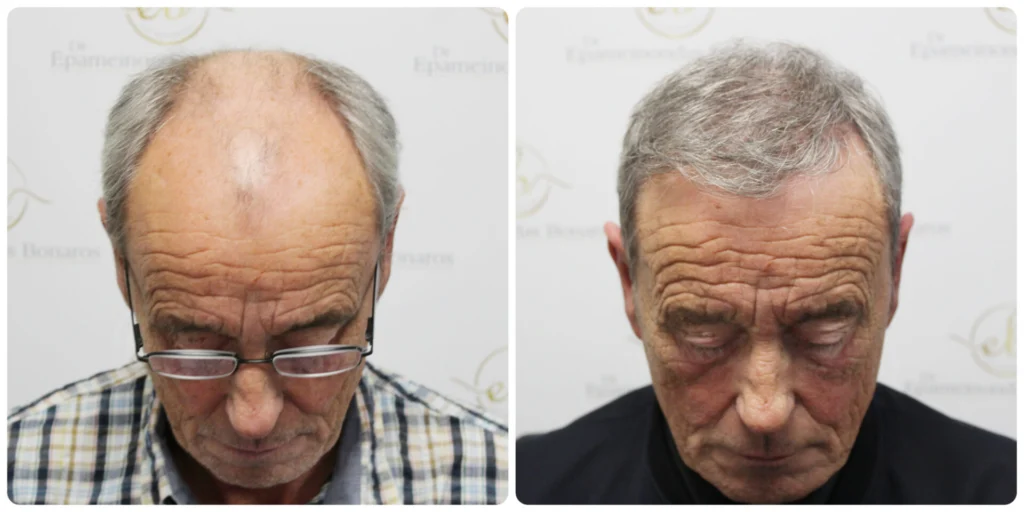
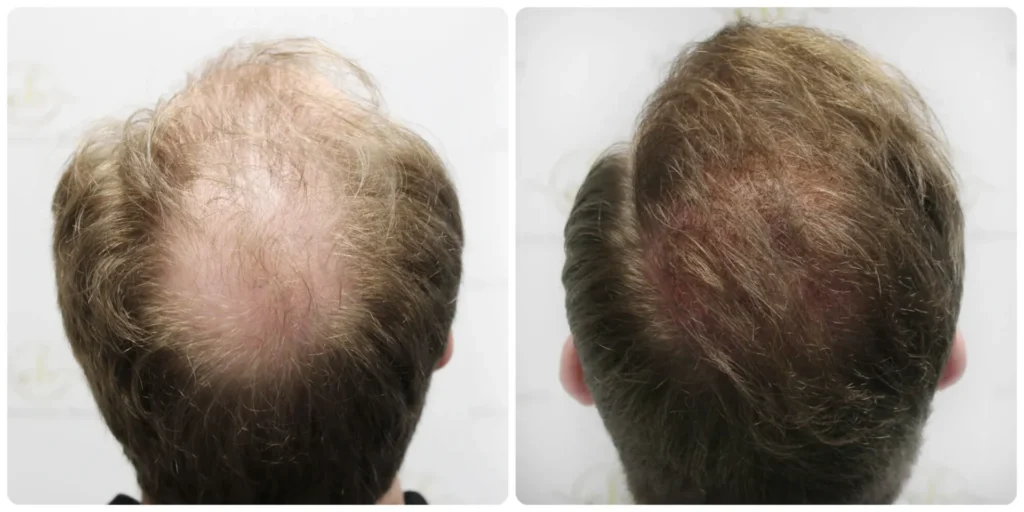
Patient Testimonials

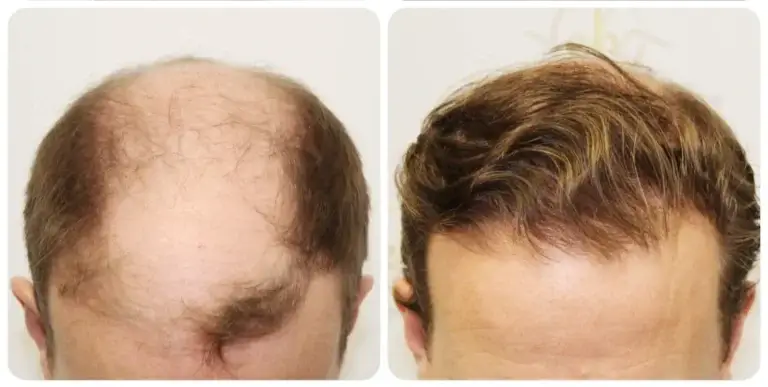
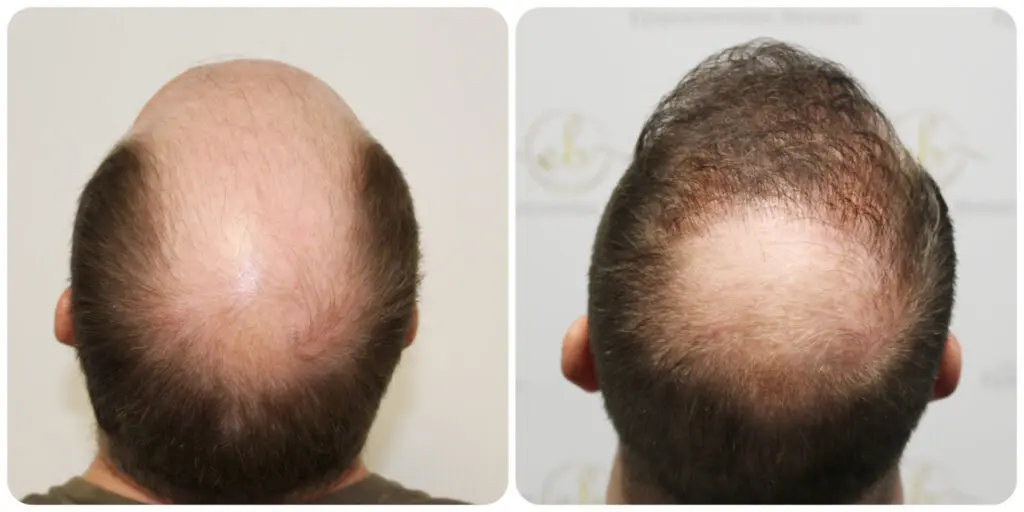
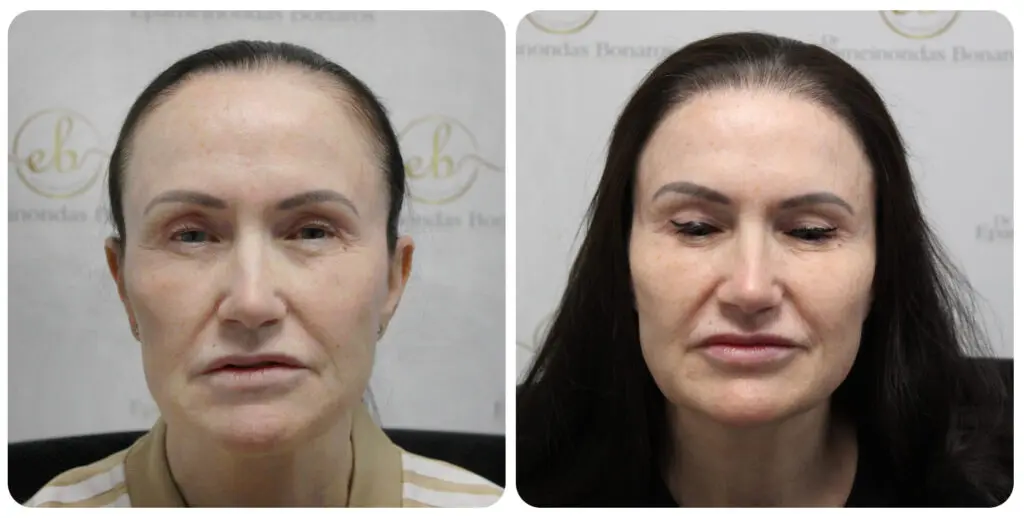
Case Studies

Frequently Asked Questions

Before undergoing a hair transplant for scars, it is essential to be as informed as possible. To facilitate this, we have answered some commonly asked questions about scar repairs below.

No, hair does not naturally grow on scars. However, an FUE scar repair can restore hair by implanting new follicles into the scar tissue, allowing natural hair growth from those transplanted follicles.

To understand why a surgical hair scar repair is necessary, it helps to look at how scar tissue forms and why it cannot support hair on its own.

When skin is badly damaged, it forms a protective layer of scar tissue, which is a thick layer of collagen. Unlike healthy skin, scar tissue:

  • Does not have hair follicles beneath the surface, so hair can’t grow naturally
  • Often has a limited blood supply

The FUE method is preferred over the FUT hair transplant for scar repair. Answering this question requires an exploration of the main differences between these two methods.

CategoryFUE Scar Repair ProcedureFUT “Strip” Procedure
ProcessExtracts individual hair follicles with “micro punches.”Removes a strip of skin from the donor area to create hair grafts.
Scalp SuitabilityAdaptable for tight or scarred scalps.Requires good scalp flexibility.
RecoveryFaster recovery period.Longer recovery period.
ScarringLeaves minimal visible scarring.Leaves a linear scar.

Fill out our online assessment form or schedule a consultation below to discuss whether a FUE hair transplant is right for you.

About the Medical Reviewer

This content was written and medically reviewed by Dr. Epameinondas Bonaros, a hair restoration specialist based in Glasgow.

Dr. Bonaros is a GMC-Registered Doctor (No. 7566786), a Diplomate of the ABHRS, and a Full Member of the ISHRS. Dr. Bonaros personally performs every FUE procedure at his clinic to ensure the highest standards of safety and clinical excellence.

Last medically reviewed: December 2025

Our Accreditations

Related Posts

The Latest Hair Transplant Technology & Treatments

The Latest Hair Transplant Technology & Treatments Some of the latest hair transplant technologies

Are Hair Transplants Permanent?

Are Hair Transplants Permanent? Are hair transplants permanent? While hair transplants were developed as a

Hair Shedding After a Hair Transplant: What You Need to Know

Hair Shedding after a Hair Transplant: What You Need to Know It’s understandable to feel concerned when

Does FUE Hair Transplant Surgery Leave Scars?

Does a FUE Hair Transplant Leave Scars? If you’re considering a hair transplant, one of the most common