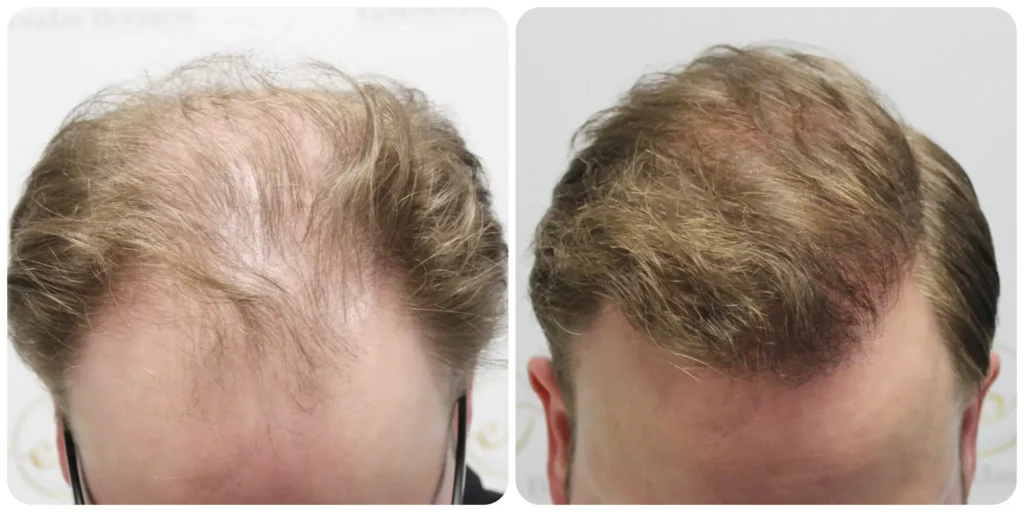
Transgender Hair Transplant
For many trans people, hair restoration plays an important role in aligning outward appearance with gender identity. A 2025 analysis found that access to gender-affirming treatments is associated with improved psychological wellbeing and quality of life, as well as better use of health services.
Dr Bonaros helps trans patients achieve natural, confidence building results that support them in feeling more like themselves. Transgender patients at our clinic are treated in a safe, respectful, and fully inclusive environment, with care tailored to their individual goals.
Dr. Epameinondas Bonaros is a GMC-Registered Doctor (GMC No. 7566786), a Verified ABHRS Diplomate, and a Full Member of the ISHRS.
Hair Transplant for Transgender Patients
A transgender hair transplantation procedure is simply a hair transplant designed with your transition in mind. When undergoing gender reassignment, hair transplantation can be used to alter the gender-specific appearance of the patient.
A FUE hair transplant is a popular procedure among the transgender community. It can restore a full and natural-looking head of hair to those transitioning from female to male, or help form a more feminine hairline and add volume and thickness to thinning areas for those transitioning from male to female. In this way, a transgender hair transplant surgery can alleviate gender dysphoria caused by hairlines and high foreheads.
Each procedure performed at our clinic will be tailored to each patient’s needs. Since a male’s hairline is different from a female’s hairline, the appropriate measures will be discussed during a detailed consultation before the surgery takes place.
Our WAW Duo FUE technology allows for precise hairline shaping and density control. The Hybrid Tornado Punch minimises trauma, ensuring healthier grafts that integrate seamlessly for a natural appearance.
Female to Male Hair Transplant
Transitioning from female to male (FTM) can trigger male pattern baldness as testosterone converts into DHT (dihydrotestosterone). This hormone often causes follicle miniaturization, leading to a receding hairline or thinning crown—the classic signs of transgender male pattern hair loss.
To counteract the effects of DHT, we offer specialized FUE (Follicular Unit Extraction) hair transplants. This advanced surgical technique provides a permanent, natural-looking solution for masculine hairline restoration. Our bespoke FUE procedures are designed to align your physical appearance with your gender identity, providing long-lasting density and confidence
Male to Female Hair Transplant
As part of your MTF Hormone Replacement Therapy (HRT), the use of estrogen and testosterone suppression treatment often leads to a significant reduction in DHT (dihydrotestosterone). While this hormonal shift is highly effective at halting the progression of male pattern baldness, it generally cannot restore hair in areas where the follicles have already miniaturised.
For many trans women, an FUE hair transplant is the essential next step to achieving a truly feminine aesthetic. Our clinic specializes in feminizing hairline lowering, which specifically addresses the deep temporal recessions and high forehead typical of masculine bone structure. By strategically transplanting grafts to create a softer, rounded, and lower contour, we can transform a receding masculine hairline into a feminine frame that aligns with your gender identity and promotes permanent, natural regrowth.
Patient Testimonials
Case Studies
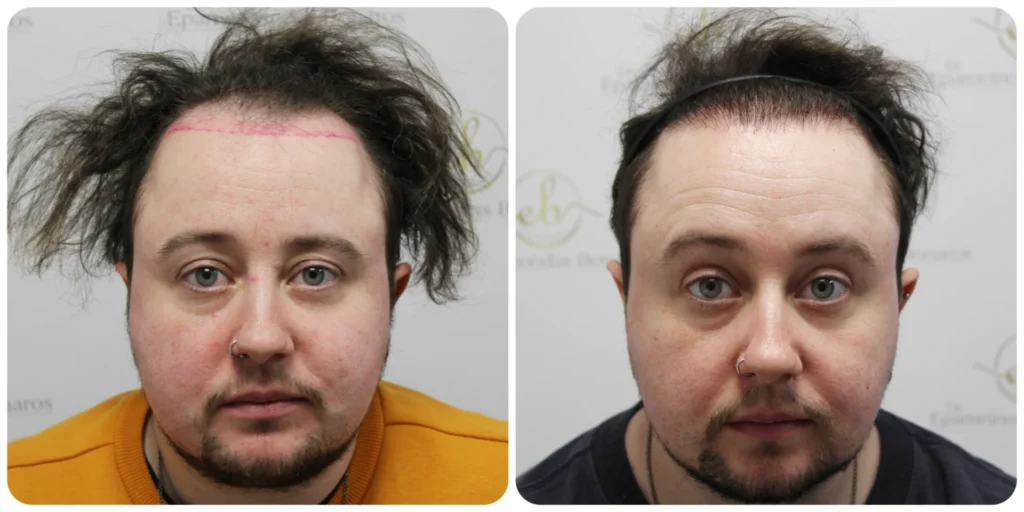
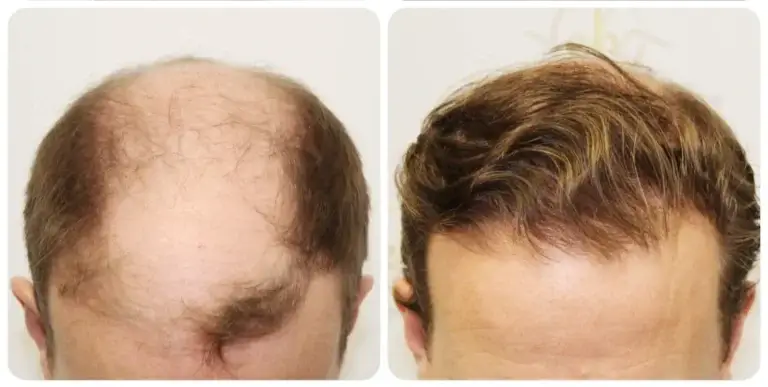
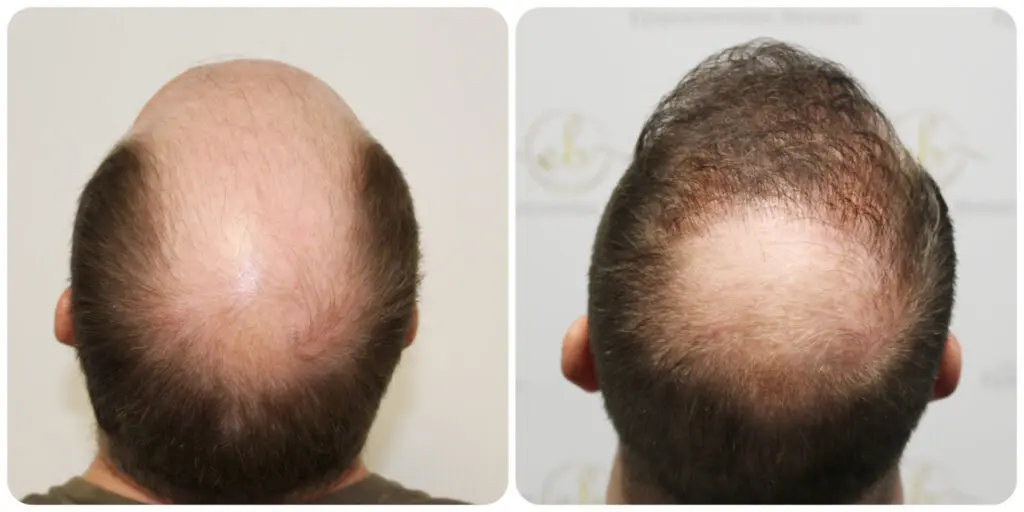
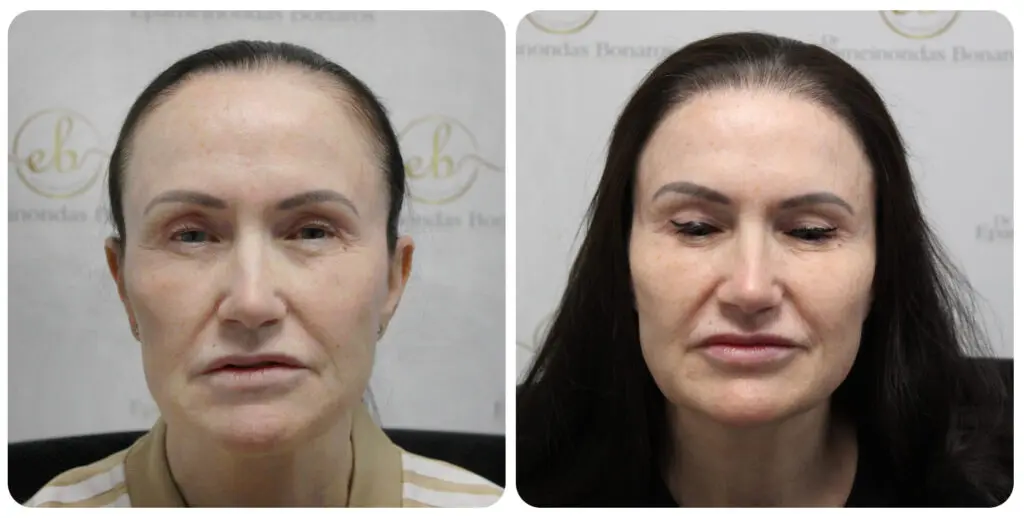
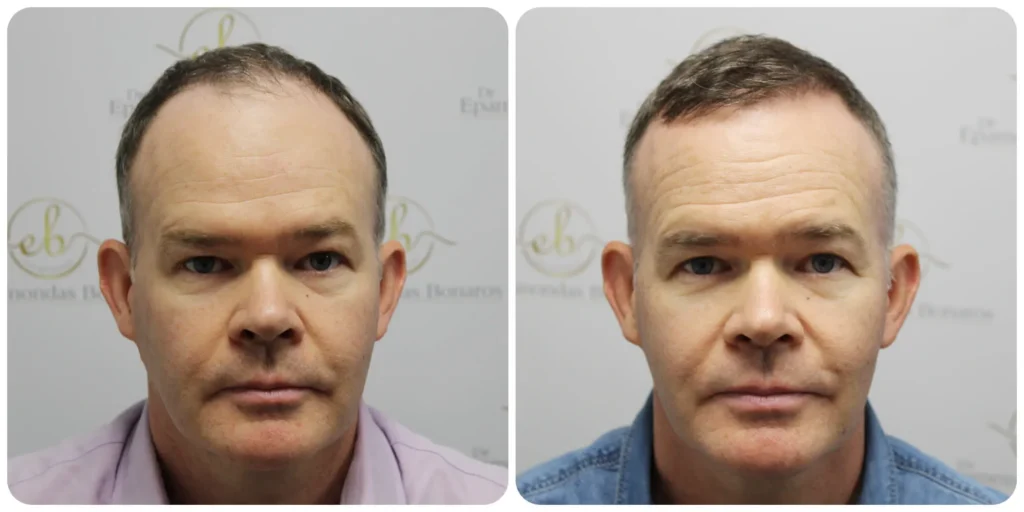
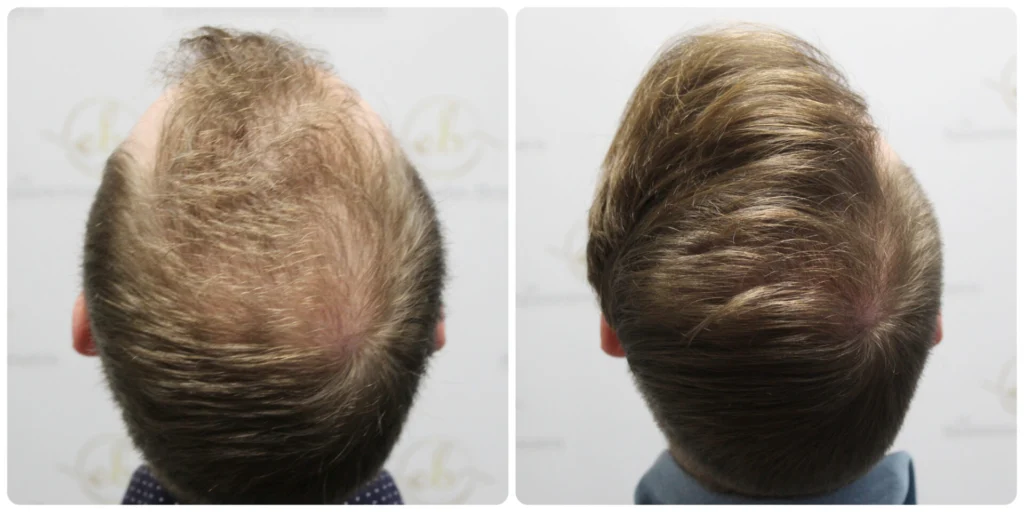
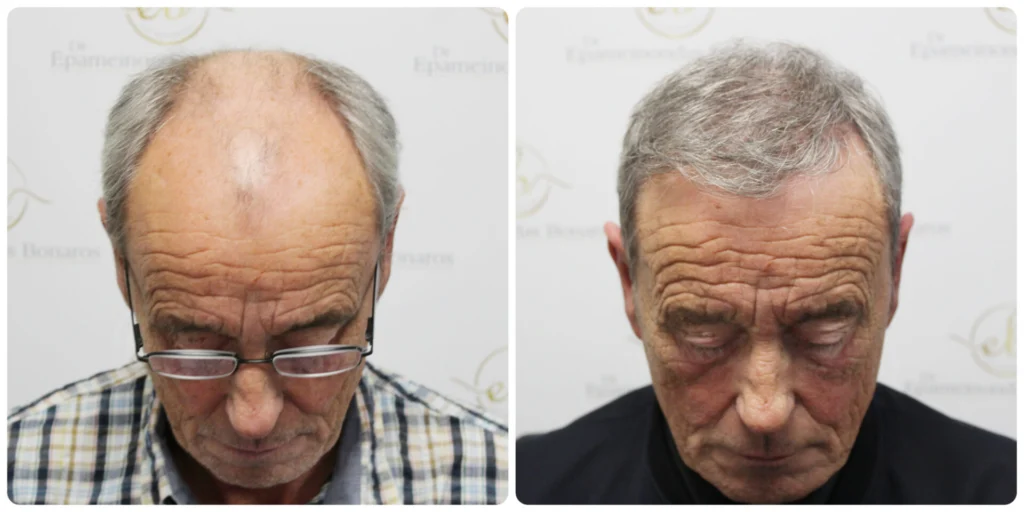
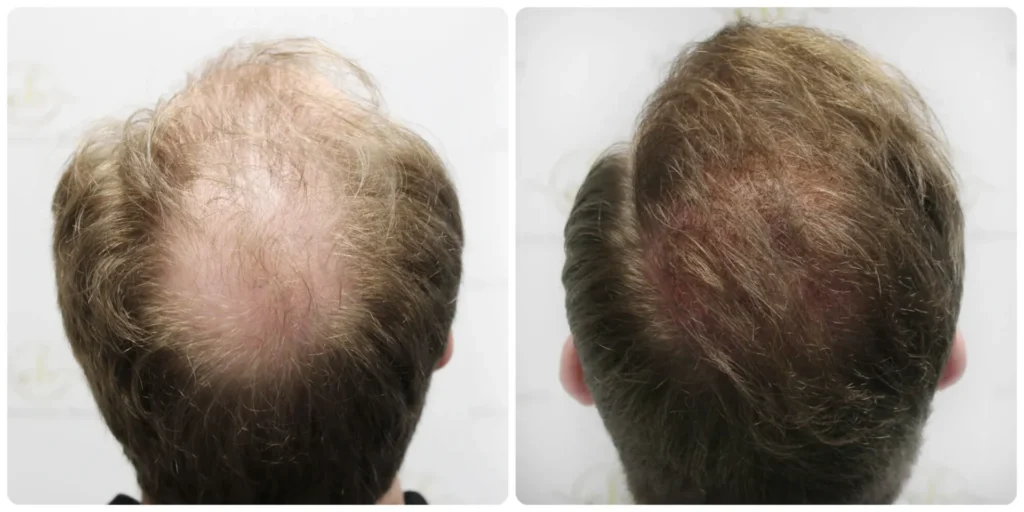
Case Study: Comprehensive Extended Crown Baldness and Receding Hairline Rejuvenation
Case Study: Hairline Feminisation & Crown Enhancement for an MTF Transgender Patient
Hair Transplant Case Study: Age-Appropriate Crown Coverage and Hairline Revitalisation
Frequently Asked Questions
What is the difference between male and female hairlines?
Knowing and understanding the difference between male and female hairlines is necessary to construct and provide transgender women and men with a natural appearance, meaning natural-looking hair, following a full hair transplantation or receding hairline transformation surgery.
- Feminine hairlines are generally positioned further down the forehead when compared to masculine hairlines.
- Male vs female hairline shapes also differ, with men tending to experience receding hair around the temples, forming an ‘M’ shape, while women tend to have a more oval-shaped hairline.
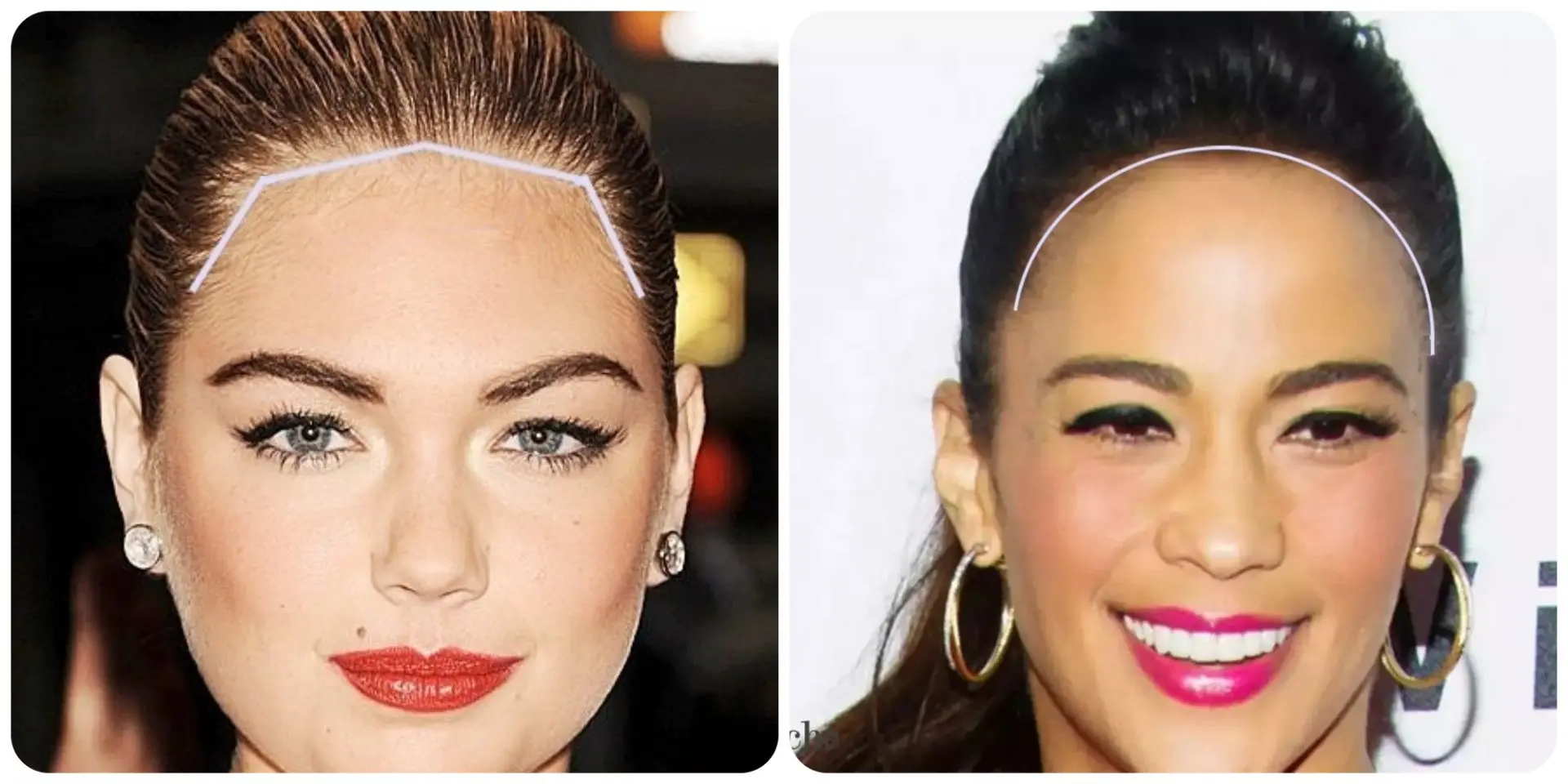
Typical female hairlines
For those who are transgender, hair growth in the correct places is crucial to feeling comfortable and confident in who you are and in your own skin.
When a hair transplant for a transgender patient is planned, there are several factors that need to be considered when deciding on the hairline position. This can include facial shape, hair type, ethnic characteristics, the present and anticipated stage of baldness, the graft availability or amount of permanent hair on the donor area, and, of course, the patient’s preference.
How much does a transgender hair transplant cost?
The average cost of a transgender hair transplant is around £6000, with costs starting from as low as £3500.
Costs will vary depending on factors such as your hair characteristics, the overall complexity of your trans hair transplant and the number of grafts required.
Our Hair Transplant Finance Options
A hair transplant for a trans woman, such as a male-to-female hairline transplant, is very different to that for a trans male. The overall MtF hairline surgery cost depends on the exact procedure being used and will vary between patients.
Given the uniqueness of each patient’s situation, an assessment is an essential step in determining exactly how much a FtM or MtF hair transplant will cost.
Read more about the hair transplant cost or fill in our online assessment form for a free, personalised treatment plan and cost estimate.
Is a FUE hair transplant for a receding hairline permanent?
Yes, the FUE hair transplant surgery for MtF and FtM transgender patients is a permanent solution for the new hair that is implanted.
While new FtM or MtF hair growth is an ideal solution to reshape hairlines or combat transgender hair loss at the transplant site, it will not stop future hair loss in the surrounding areas.
How long is the healing process for FtM and MtF hairline surgery?
During the first few weeks following female-to-male and male-to-female hair transplants, you may experience some redness, swelling, scabbing, itching or discomfort around the transplanted area, but these reactions normally subside fairly quickly.
This type of hair transplant is a minimally invasive procedure. You should be able to return to work the next day, should you wish. That being said, most people like to take at least 2-3 days off before resuming usual activities after a MtF or FtM hair transplant procedure.
How long does it take to see transgender hair regrowth results?
You should start to see FtM and MtF hair regrowth after about three months following your procedure. Throughout the next few months, your new hair will continue to grow; however, it will still be relatively thin.
FtM and MtF hair transplant before and after results differ from patient to patient. That being said, six months after your procedure, your transplanted hair typically will have blended in seamlessly with your original hair, and you should now be able to cut and style it with ease.
Your new transplanted hair will have fully grown and matured one year after your FUE transplant.
Cost Effective Online Hair Loss Consultations
We offer online consultations for £30 to evaluate your hair loss and provide you with the best option for your needs.
At your consultation, Dr Bonaros will be able to provide you with an accurate estimate of the number of grafts you will need and the cost of your treatment, as well as outline what can be accomplished technically and aesthetically. Our consultations are private, confidential, and give you the opportunity to meet your hair transplant surgeon and ask any questions before the procedure.
Book a consultation with Dr Bonaros to discuss if a transgender hair transplant using FUE is right for you.
About the Medical Reviewer
This content was written and medically reviewed by Dr. Epameinondas Bonaros, a hair restoration specialist based in Glasgow.
Dr. Bonaros is a GMC-Registered Doctor (No. 7566786), a Diplomate of the ABHRS, and a Full Member of the ISHRS. Dr. Bonaros personally performs every FUE procedure at his clinic to ensure the highest standards of safety and clinical excellence.
Last medically reviewed: December 2025
Our Accreditations


