Hair Transplant Timeline
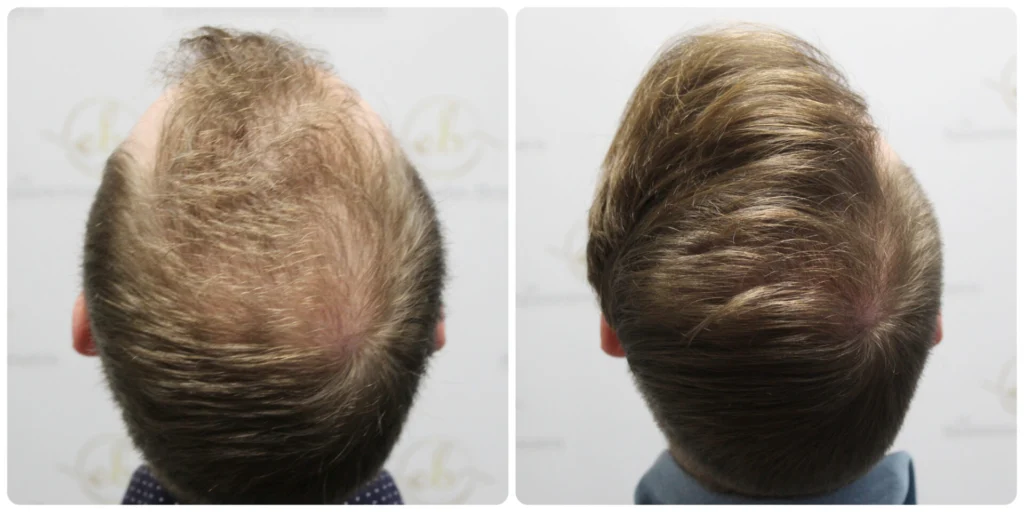
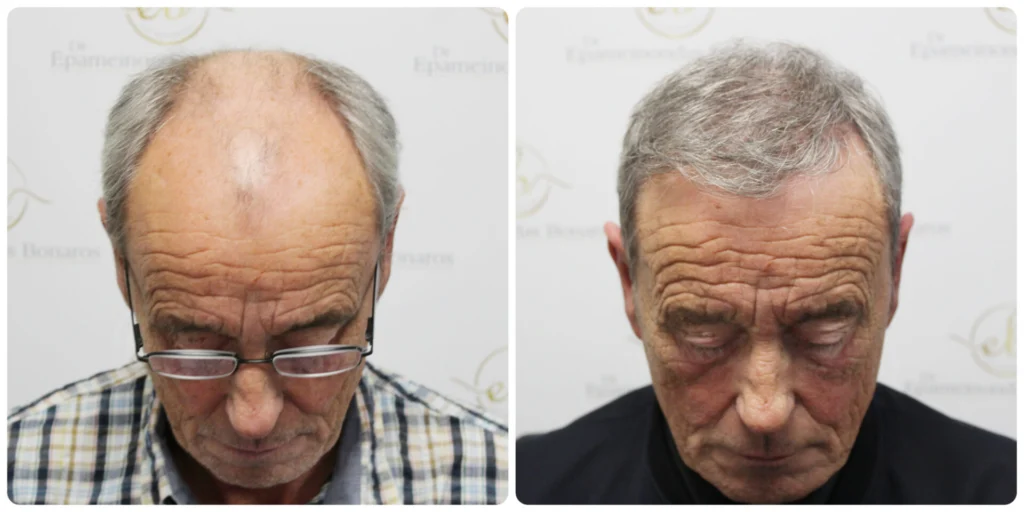
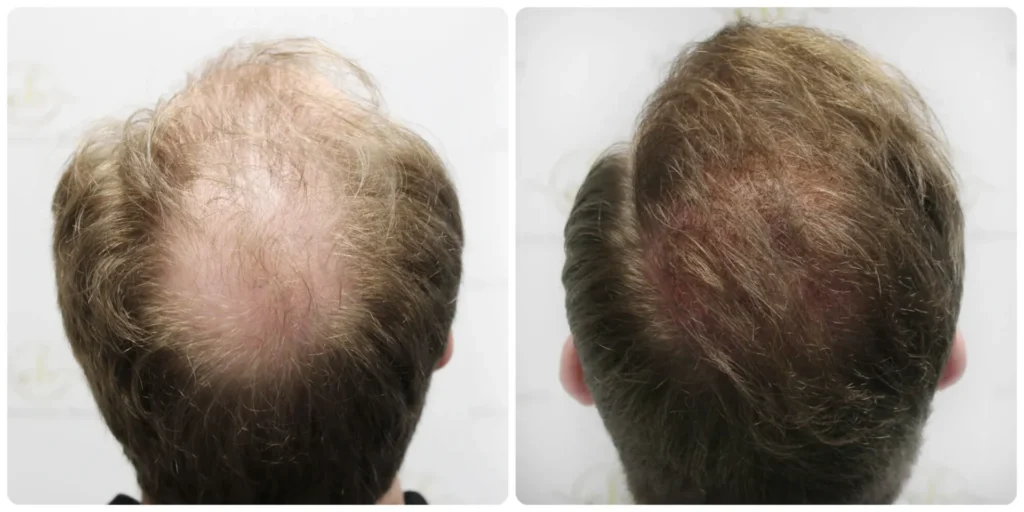
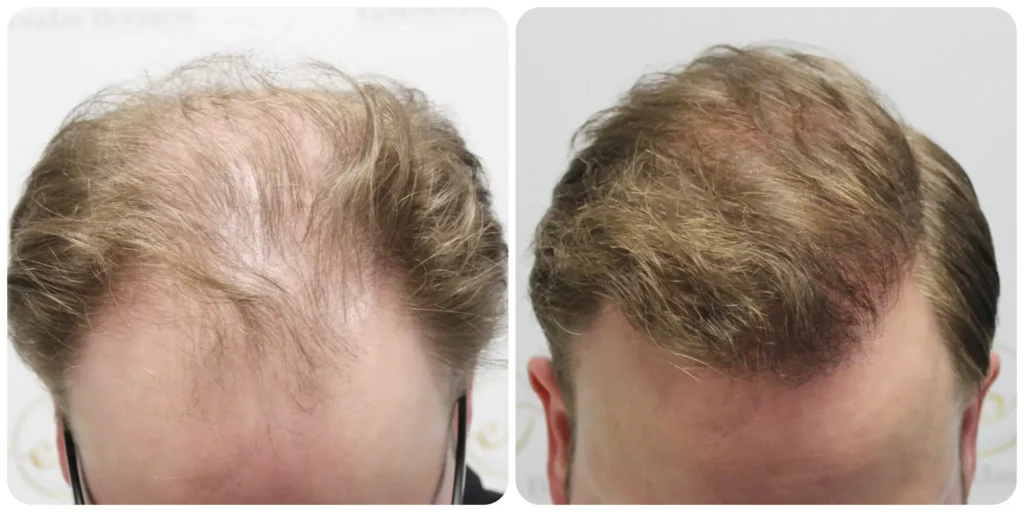
So, you had a hair transplant. When can you expect to see the results?
An unshaven hair transplant is a discreet treatment option for patients who want to keep their hair restoration treatment private. Hair transplant patients typically need to shave their head, but this procedure is designed to keep your hair restoration journey discreet, with minimal recovery time, and no need to shave your head.
Dr Bonaros provides a no shave hair transplant in Glasgow from his clinic. Dr Bonaros is a GMC-Registered Doctor (GMC No. 7566786), Verified ABHRS Diplomate, and a Full Member of the ISHRS. He personally performs each step of the procedure to ensure it’s done with precision.
Book a consultation or fill in our online assessment form below to find out if you are a good candidate.
An unshaven FUE transplant (also called U-FUE) is a discreet treatment option for patients wishing to keep their hair restoration private. Generally, FUE recipients need to shave their hair before surgery, but U-FUE enables patients to keep their hair length during the procedure.
This innovative approach is nearly identical to a standard FUE hair transplant, but with the distinct approach that no shaving is necessary.
With unshaven hair transplants, not a single hair is cut. This is the key difference that sets it apart from other hair transplants, offering greater discretion and post-procedure aesthetics.
The subtlety of the method means most patients can return to their daily routines with minimal evidence of having undergone hair transplant surgery. This addresses a significant concern regarding discretion.
Traditional, fully shaved transplants often involve shaving the entire donor area. The method results in a more apparent post-surgical appearance and a longer wait until your hair is long enough to conceal any signs of the procedure.
Partial shaved hair transplant methods include having the side or back of your head shaved or undergoing line-shaving (where only small lines or a rectangular area is shaved). This is also a good alternative to a standard treatment, as it offers some discretion but still requires a degree of visible hair removal.
Please note: Surgeons can only safely extract a limited number of grafts during an unshaven FUE hair transplantation. This means the procedure is only suitable for patients with mild to moderate hair loss.
Unshaven follicular unit extraction is a meticulous FUE technique that preserves your existing hair, leaving it uncut. It combines advanced technology with careful surgical technique, not that different from the standard procedure.
All procedures at our hair transplant clinic in Glasgow are surgeon led by Dr Bonaros, with fully accredited surgical assistants assisting him.
During the consultation, we capture digital images with a Trichoscope to map:
Hair direction, angle and curl
Hair shaft diameter
Number of hairs per graft
This ensures precise punch selection and a personalised extraction plan.
Our WAW Duo FUE technology allows for efficient extraction with minimal disruption to surrounding hair, making unshaven FUE even more discreet.
The Hybrid Tornado Punch reduces trauma to the scalp, preserving existing hair and ensuring a smoother healing process. With precise control over depth, rotation and oscillation, the system allows for accurate extraction in denser areas without compromising nearby healthy follicles.
Micro-punches (0.6 – 1.0 mm) are used to minimise transection. Grafts are extracted in a random, evenly spaced pattern so the existing longer hair naturally falls back, maintaining coverage.
Extracted hair follicles are inspected under high-magnification microscopy to ensure viability.
Also known as the sharp implantation technique, this method involves surgical assistants loading follicles into special implantation pens. Dr Bonaros then makes an implant directly into the unshaved recipient area with precise angle and density control.
This method ensures a discreet, high-quality result, even for patients who prefer not to shave.
You’re likely an excellent candidate for a U-FUE hair transplant if you have:
Stable mild hair loss (not rapidly changing)
Medium or soft scalp skin
Straight or wavy hair
Need for discretion during the recovery period
Realistic goals for hair transplant results
Small to moderate hair restoration needs
A 2023 medical study of 152 patients found that the best candidates had medium-thickness skin with straight or wavy hair. About 70% of successful patients fell into this “Class I” category, which doctors consider the easiest and safest for the procedure.
What this means for you:
If you have relatively soft or medium-firm scalp skin with straight to wavy hair, you’re likely an excellent candidate
People with very thick, firm scalps had slightly higher complication rates (5.83% graft damage vs. 3.68% in ideal candidates)
A U-FUE hair transplant is particularly suitable for people who cannot have visible signs of surgery, for example:
You work in a public-facing job where appearance matters
You can’t take extended time off work
You want to keep your hair transplant private
You prefer wearing your hair short
You may be a good candidate if you:
Have a stable pattern of hair loss
Need small to moderate restoration (e.g. hairline, crown)
Have a healthy donor area at the back and sides
The best candidates:
Start with realistic goals
Often begin with smaller sessions
Understand that authentic-looking density depends on donor supply and long-term planning
You can find out if you’re eligible for hair transplantation by attending an initial consultation with our surgeon. During this consultation, you will also gain a comprehensive understanding of the unshaven hair transplant process and set realistic expectations for the outcome.
The recovery process is the same compared to a traditional transplantation. Here is what you can expect following your no-shave hair transplant.
Day of operation: You may feel tightness, swelling or mild discomfort in the donor and recipient area. Redness is normal.
First Few Days: Most patients notice some irritation, soreness and small scabs. You can usually return to light daily activities quickly, but avoid touching or rubbing the affected area.
Days 4-10: Redness and swelling begin to fade. Scabs soften and fall off if you follow the essential aftercare. Your remaining hair helps cover the area.
2-3 weeks: Some transplanted hairs shed, which is a normal phase. You may notice changes, but your original hair will remain intact.
1 month: Healing continues, and most activities can be resumed. Large areas may feel slightly sensitive.
3-4 months: New hairs start to appear. They are fine at first, but this is an encouraging prospect and shows good progress.
5-9 months: More hair grows through, becoming thicker and stronger. Growth is similar to standard FUE, and you can expect the same results over time.
12 months: Most people see strong coverage and improved density. Final density varies depending on the extent of the operation.
12-18 months: Full results settle in. Thickening continues, especially in large areas.
The benefits of U-FUE extend beyond the cosmetic appeal of avoiding a head shave. Unshaven hair transplant surgery offers several benefits over traditional hair transplants. These include the following:
Keep your hair as it is — an unshaven hair transplant does not require you to shave, cut, or alter your hair. This ensures a completely discreet procedure so you can maintain your existing hair coverage.
Get back to your work and social life faster, thanks to the expedited healing process inherent in standard FUE procedures. Minimal downtime after surgery makes UFUE procedures ideal for patients in the public eye, as well as those who don’t have time for an extended recovery.
The precision of Follicular Unit Extraction hair transplantation allows for optimal results that seamlessly blend with your natural hair, providing an undetectable solution for mild to moderate hair loss.
Fill out our online assessment form or book a consultation (face to face or online) to discuss whether this treatment is right for you.
Still wondering about your different options? Learn more about UFUE hair transplants — read our answers to common questions below.
No. Undergoing a hair transplant without shaving beforehand should not impact the growth of new hair follicles in the recipient area.
However, patients should take extra care during their recovery period, as a UFUE hair transplant carries certain postoperative risks:
Long hair can obstruct access to the transplant area, making it harder to maintain proper hygiene at the recipient site. This can increase the risk of postoperative infection and potentially impact the final results of your surgery.
Transplanted hair follicles generally take around 10 days to settle into the scalp. If you have longer hair, strands can easily stick to and dislodge donor hair grafts during this initial postoperative period.
The cost for the unshaven hair transplant in your Glasgow clinic is £7 per graft. The UFUE hair transplantation is a complex procedure that’s both time-consuming and labour-intensive.
Several factors influence the overall cost of the treatment:
Although no-shave FUE may cost more, many patients find the benefits of a discreet and natural-looking hair restoration to be worth the increased expense. Flexible finance options are available to help you manage the cost of your hair transplant comfortably.
Yes, but the scarring will be virtually undetectable. While scarring is an inevitable part of almost any surgical procedure, the unshaven FUE method is designed to minimise the visibility of these effects for a discreet and effective hair restoration solution.
An unshaven hair transplant is performed using the FUE surgical technique. This advanced technique involves using surgical micro-punches to extract individual hair follicles rather than harvesting an entire donor strip (as with the follicular unit transplantation (FUT) technique).
One of the major advantages of FUE is that it results in minimal visible scarring. Rather than a long linear FUT scar, an FUE procedure typically results in small circular scars where follicular units have been extracted.
A major appeal of an FUE unshaven hair transplant is that the existing hair in the donor area is left unshaven. This helps effectively conceal any small extraction scars, allowing for a more discreet recovery process.
No. Styling too soon after a transplant can disrupt the healing process and potentially damage your new hair grafts. Rather, post-operative patients should stick to gentle hair care practices following surgery.
Your hair transplant surgeon will explain specific aftercare instructions, including when you can safely resume your existing hair styling routine. Following these guidelines will help ensure optimal healing and the best possible final result.
This content was written and medically reviewed by Dr. Epameinondas Bonaros, a hair restoration specialist based in Glasgow.
Dr. Bonaros is a GMC-Registered Doctor (No. 7566786), a Diplomate of the ABHRS, and a Full Member of the ISHRS. Dr. Bonaros personally performs every FUE procedure at his clinic to ensure the highest standards of safety and clinical excellence.
Last medically reviewed: December 2025


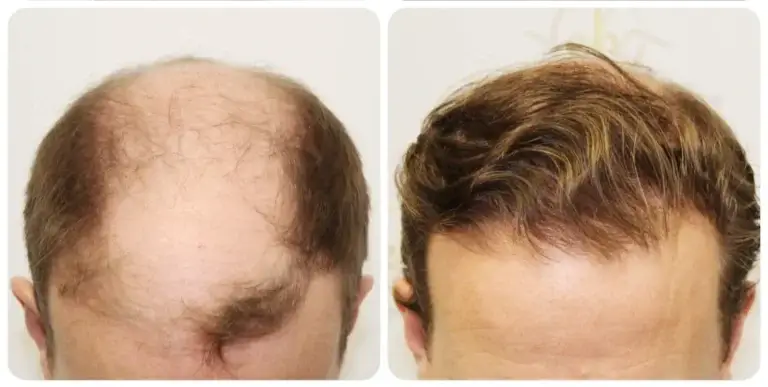
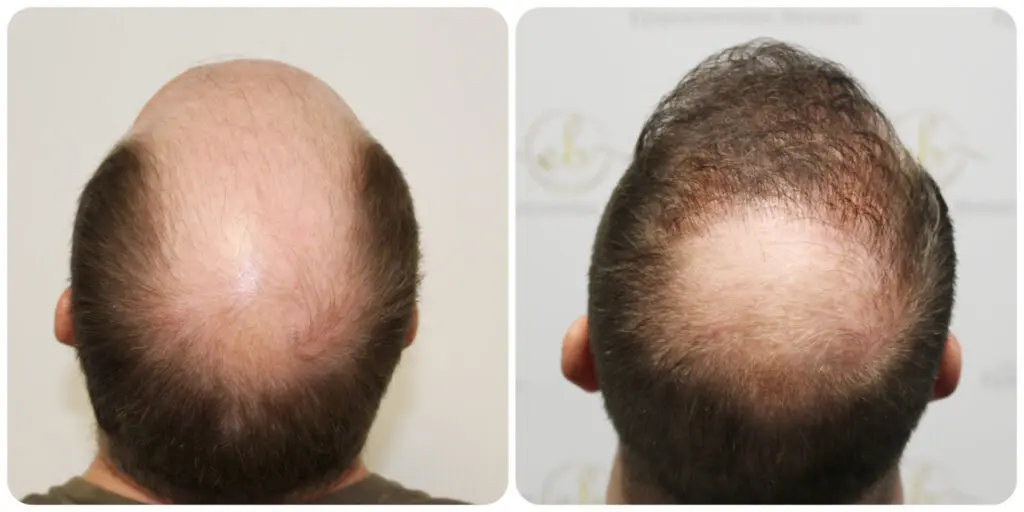
Case Study: Comprehensive Extended Crown Baldness and Receding Hairline Rejuvenation
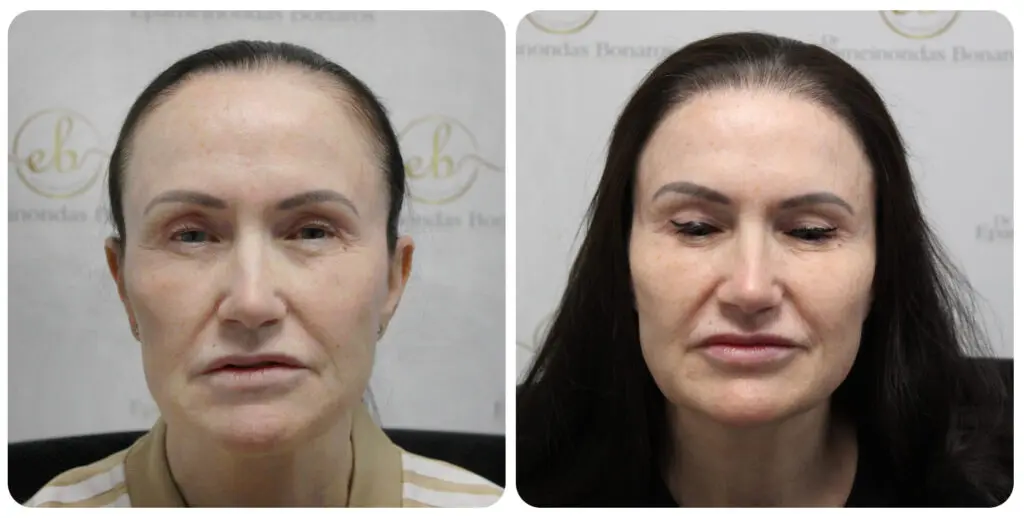
Case Study: Hairline Feminisation & Crown Enhancement for an MTF Transgender Patient
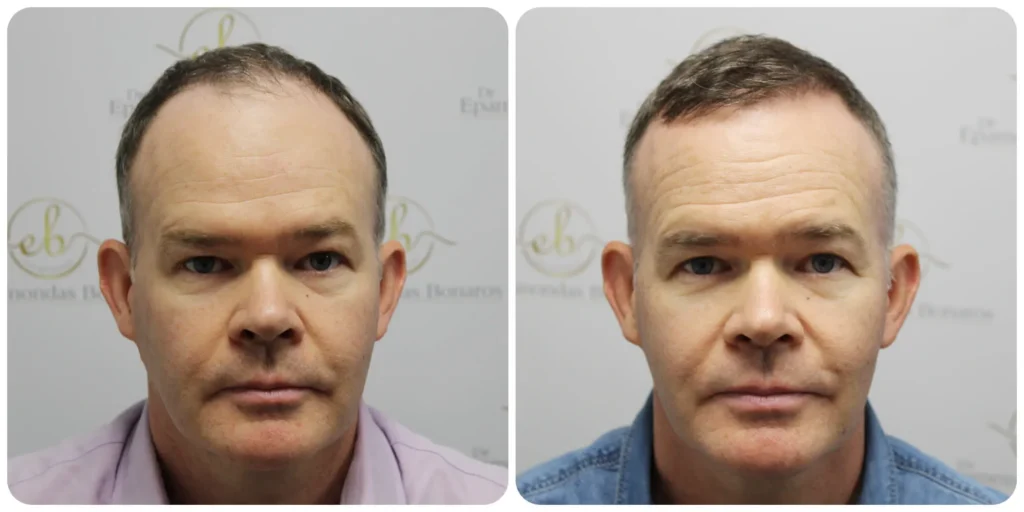
Hair Transplant Case Study: Age-Appropriate Crown Coverage and Hairline Revitalisation

So, you had a hair transplant. When can you expect to see the results?

Trial and error treatment is not the most effective remedy for hair loss. The most effective and successful treatment is based upon a correct diagnosis of the cause of hair loss.

Micropigmentation is a form of tattoo applied to the scalp to conceal bald spots.

Alopecia, a disease resulting in hair loss, may not be a severe medical issue. However, in most cases, hair loss has a weighty impact on psychological well being.

Male and female pattern hair loss is called androgenetic alopecia (AGA) because both androgens (andro) and genes (genetic) are involved.
Alopecia is the medical term for hair loss.

Your diet plays a surprisingly large role in the growth of your hair. Just like eating the right diet can keep you healthy and fit, the right food can help to stimulate hair growth and keep your hair strong and healthy as you get older.