Chat with us on WhatsApp

FtM Hair Transplant

According to the International Society of Hair Restoration Surgery’s 2025 Practice Census, about 2.8 % of hair transplants performed in 2024 were done to support transition related goals. Dr Epameinondas Bonaros provides minimally invasive transgender hair transplants to help those transitioning from female to male align their physical appearance with their gender identity.

Dr Bonaros is a GMC-Registered Doctor (GMC No. 7566786)Verified ABHRS Diplomate, and a Full Member of the ISHRS. He personally performs each step of the procedure to ensure it’s done with precision.

Schedule a consultation or fill in our online assessment below to discuss your options.

Table of Contents

Female to Male Hair Restoration — The Journey Towards Being the True You

During the FtM transition process, hair growth in the right places is essential for feeling confident and comfortable in your gender identity. From achieving your desired masculine hairline to growing facial hair, each step is important in your journey to becoming who you actually are.

At our clinic, we consider your transition journey when planning a transgender hairline surgery or any other procedure. Every procedure will be tailored specifically to your needs to ensure you are fully satisfied with the results.

Hair Loss Caused by Hormone Therapy

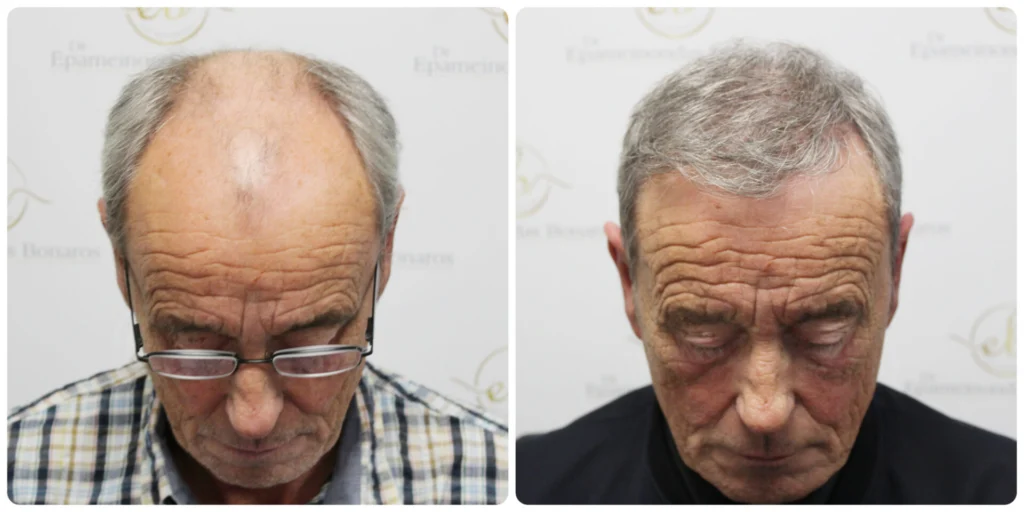
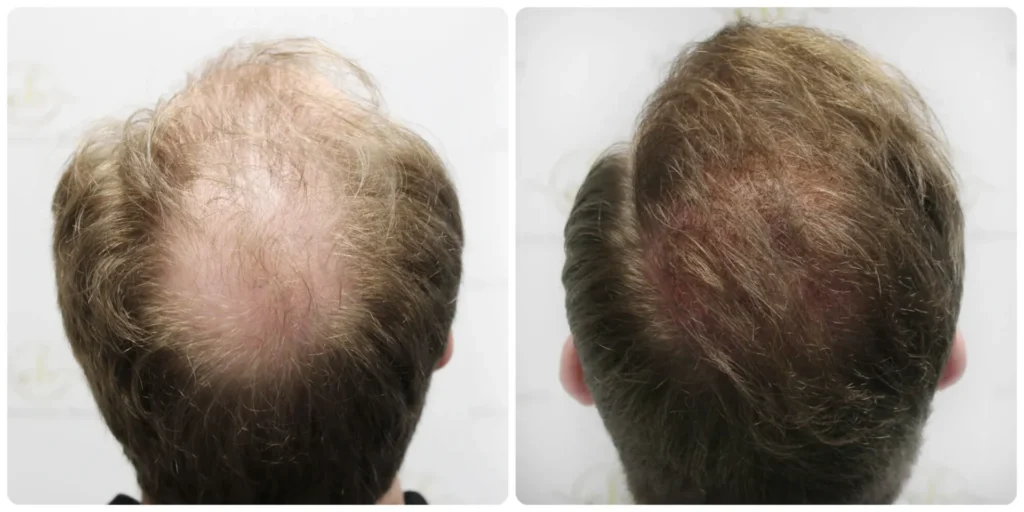
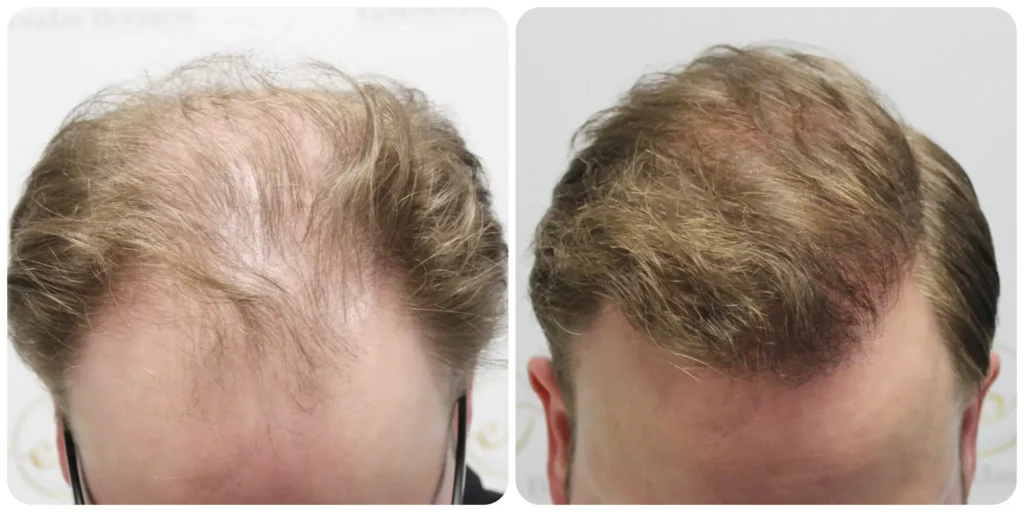
During the female-to-male transition process, your hair will start to change as a result of your male sex hormones. During hormone replacement therapy, your testosterone is converted into the male hormone dihydrotestosterone (DHT), which can cause your hair follicles to miniaturise and shed. Over time, this can lead to male pattern baldness (androgenetic alopecia) and result in a receding male hairline or thinning crown.

Our hair transplantation methods are specialised and employ the highly advanced FUE method. As a result, our procedures effectively combat transgender male pattern hair loss and provide natural-looking and long-lasting results.  

The Difference Between Male & Female Hairlines

Having a complete understanding of the differences between a masculine and feminine hairline is a crucial part of the hair transplant process. This is especially important when it comes to constructing and providing FtM transgender patients with natural-looking hair.

natural, mature, receding hairline without treatment of Hollywood stars.
Men Natural Hairline
female hairlines transgender hair transplant
Women Natural Hairline

The main differences between feminine and masculine hairlines are:  

  1. Shape
  2. Hair flow
  3. Ageing pattern 

In terms of hairline shape:

  • Men often experience a receding hairline around their temples, forming an ‘M’ shape

  • Women, on the other hand, generally have a rounder oval-shaped hairline for most of their lives.

Feminine hairlines are typically lower on the forehead, while more masculine hairlines tend to be further back.

Note: Hair transplants do not convert a feminine hairline into a masculine pattern - they are only used to refill areas thinned by HRT.

Considerations for Natural Looking Transgender Hair Transplants

When planning FtM transgender hair transplants, there are several factors to consider. These factors include:

  1. Facial shape

  2. Hair graft availability

  3. Ethnic characteristics

  4. Current hair thinning or anticipated stage of balding

  5. Hair characteristics 

  6. Patient preference

Patient Testimonials

Transgender Hair Transplant Options

The FUE (Follicular Unit Extraction) hair transplant surgery is a highly advanced and sutureless procedure for FtM transgender hair restoration. 

During the FUE hair transplant, our surgical team:

  1. Harvest individual hair follicles from the back of the head under local anaesthesia 

  2. Implant donor hair follicles into the recipient area, such as the hairline, beard or body

There are several benefits to FUE hair transplants that make it the favoured method over more traditional hair restoration surgery options. Some of these advantages include:

  • Minimally invasive procedure 

  • No linear scarring, like with a follicular unit transplantation (FUT)

  • Quicker recovery time with less discomfort

  • Virtually undetectable scarring

  • Ability to wear your very hair short

Our WAW Duo FUE system enhances density and precision in hairline and beard transplants, ensuring a masculine and natural look.

Here are the FUE hair transplantation procedures we offer patients to combat gender dysphoria:

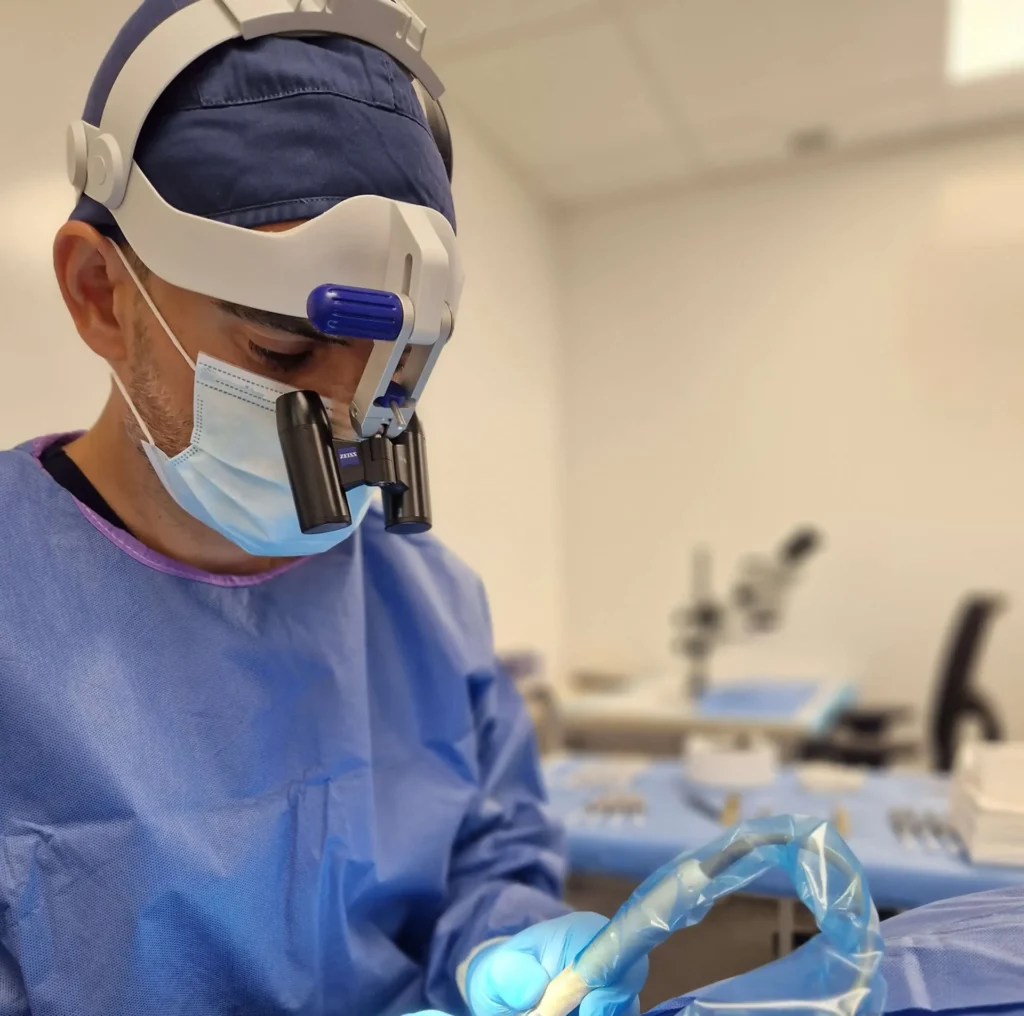
Dr Bonaros performing FUE hair transplant surgery

Hairline Transplant

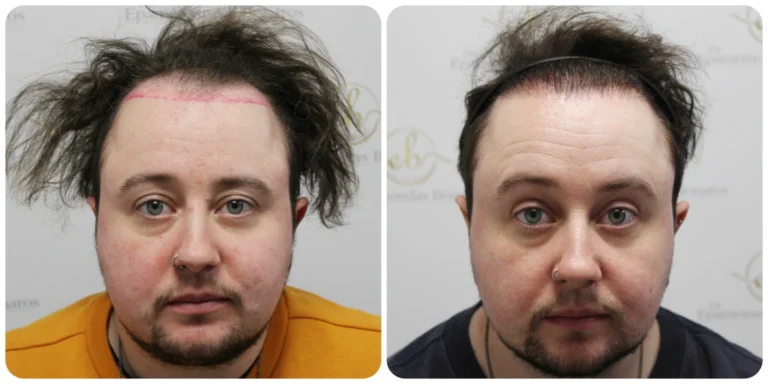
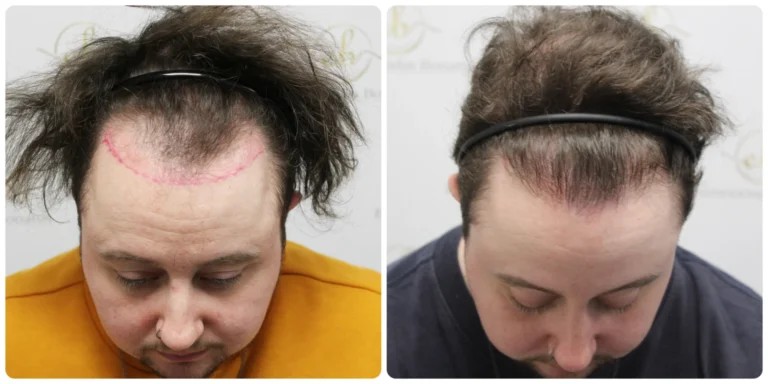
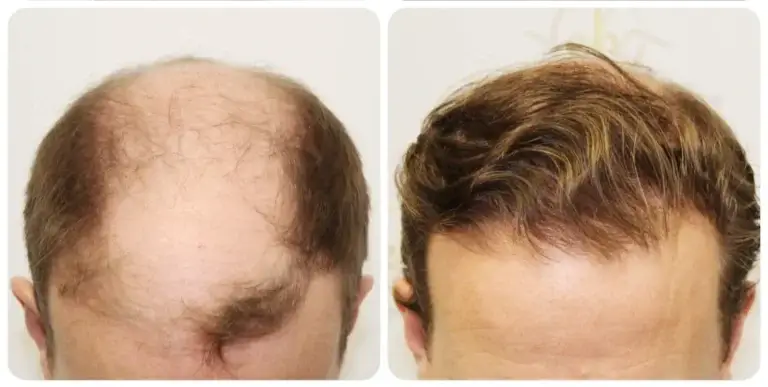
A FtM FUE trans hairline surgery cannot turn a naturally feminine hairline into a masculine one. Instead, in FtM patients, the goal is to restore areas that have thinned due to HRT. This can help rebuild density, inherently providing a more masculine look.

If a receding hairline is already present due to balding, the donor hair can fill in balding spots along the hairline. During this transgender hair transplant surgery, we transplant hair follicles from the lower part of the scalp as part of the hairline lowering procedure.

Beard Transplant

As part of the transitioning process, beard hair tends to grow. However, not all transgender patients will experience uniform hair growth, which can result in patchy facial hair. Facial hair transplants can be the perfect solution for patients who want a desirable beard that is denser and more masculine.

The most common areas on the face that are filled in with donor hair follicles include sideburns, cheeks, moustache area, and chin.

Our hair transplant clinic offers professional FtM beard transplant procedures using the FUE method to provide those with sparse facial hair a more natural appearance.

beard transplant result before after images Glasgow Scotland by Dr Bonaros

Body Hair Transplant

Utilising existing hair follicles from the back of the head, a  FUE Body Hair Transplant (BHT) is a great choice for FtM patients who want additional body hair. The three most common areas people choose to have this transgender hair transplant procedure are:

  • Chest 

  • Abdomen

  • Pubic area

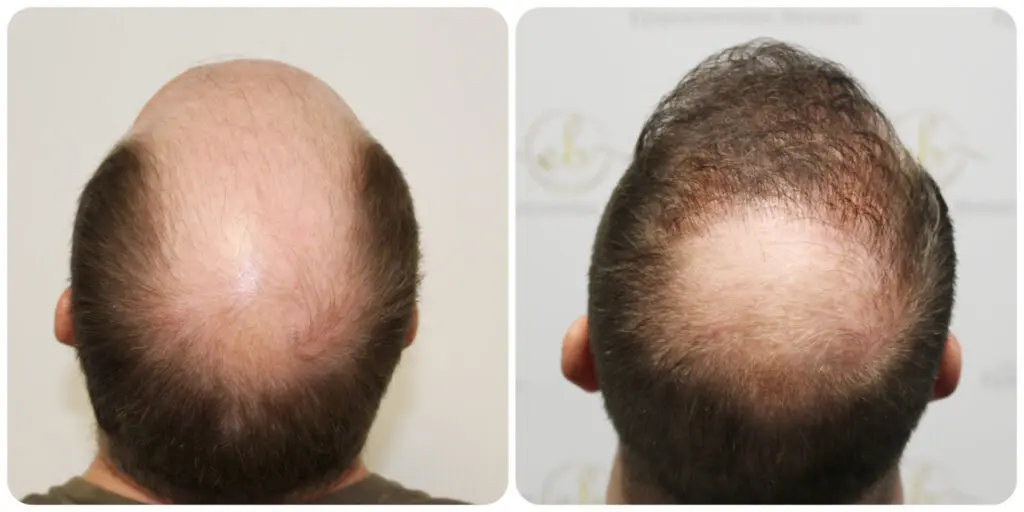
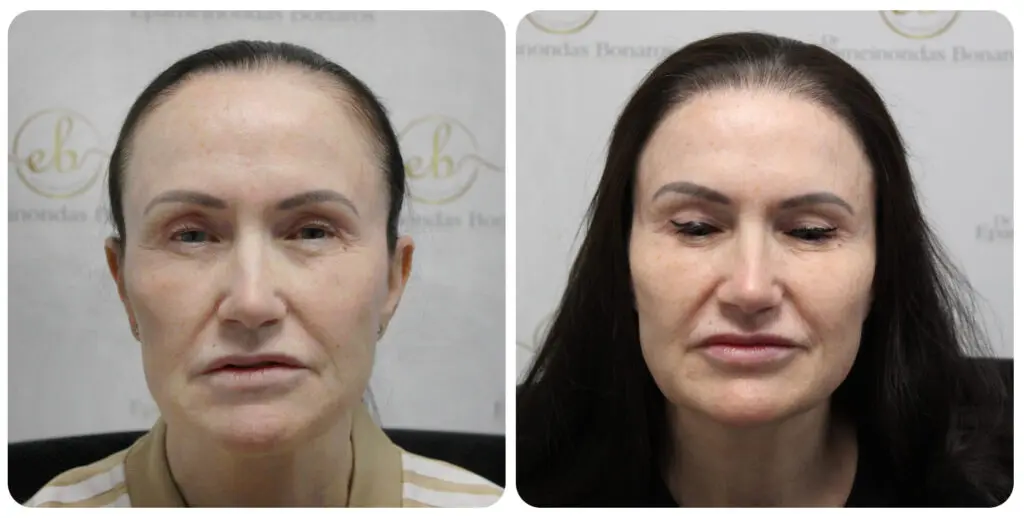
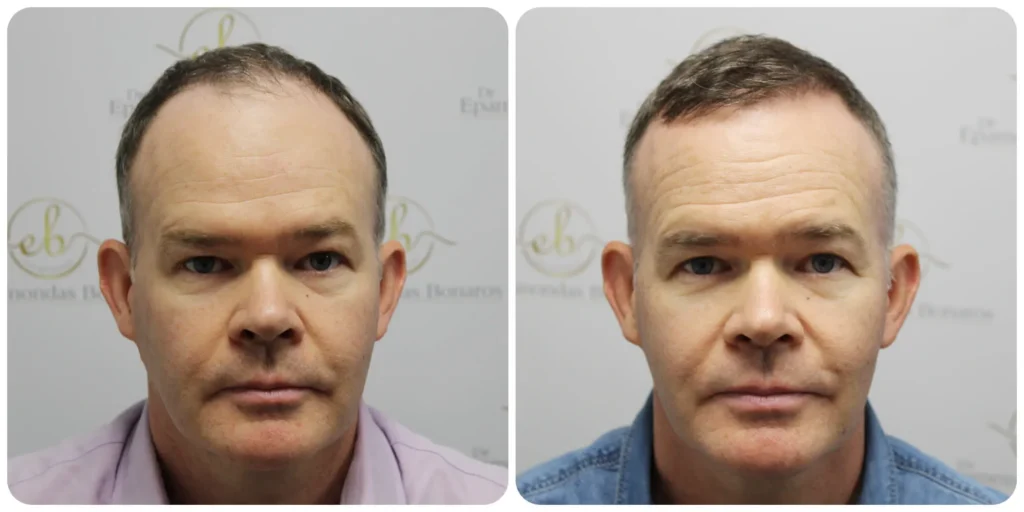
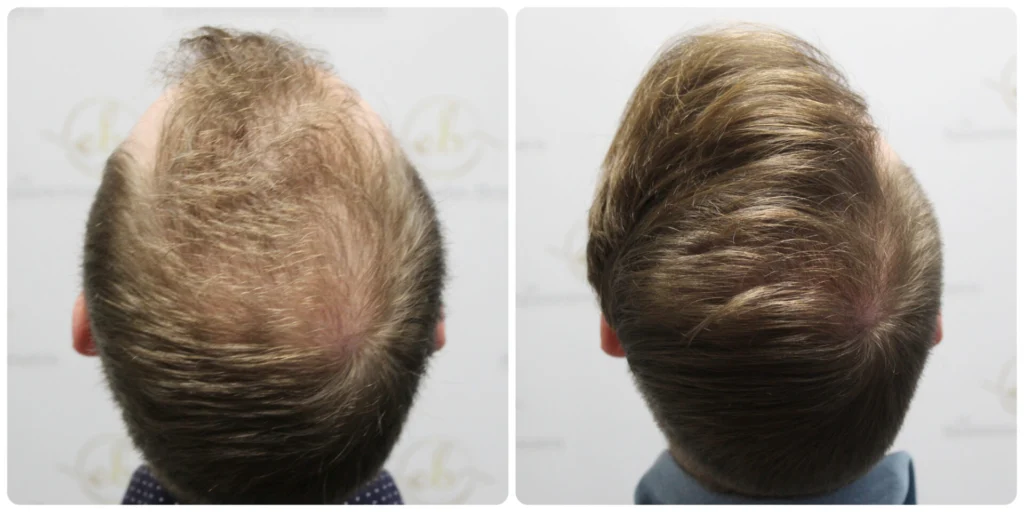
Case Studies

Frequently Asked Questions

It is very common for patients to have a lot of questions when considering a transgender hair transplant. We have compiled answers to some of the most common questions from our trans patients, to help you get accurate and relevant information.

The average cost for FUE transgender hair transplants in Glasgow is roughly £6000, with costs starting as low as £3500 and going up to around £12000. 

FtM hair transplant costs vary, as it is dependent on the: 

  1. Characteristics of your hair                     

  2. Overall complexity of your transgender hair transplant surgery and the 

  3. Number of hair grafts required

We also offer financing options for those who cannot afford the upfront costs of their desired FtM transgender hair transplant.

Yes, you can usually have a hair transplant after starting testosterone therapy. You don’t need to wait until your hormone levels are fully stable.

If you’re experiencing hair loss or noticing a drop in hair density, medications such as finasteride or dutasteride (5-alpha-reductase inhibitors) can help reduce the androgen-related shedding that sometimes occurs with testosterone therapy.

Many transgender patients can move forward with surgery before complete hormonal stability. That is, unless they are experiencing severe hair loss that requires medical management first.

Because every transition journey is different, your surgeon and your own healthcare provider or endocrinologist can guide you on the best timing and approach for your individual case.

Disclaimer: The information provided here is general and should not be taken as personal medical advice. 

A FUE hair transplant procedure is a permanent solution for the transplanted hair. However, while an FtM hair loss surgery can restore lost hair in thinning areas with permanent results, it does not stop the natural balding process or future hair loss in other areas.

Yes, our clinic serves male-to-female (MtF) patients. We believe everyone should feel comfortable and confident in their own skin.

Dr Bonaros offers male-to-female hair transplant procedures from his Glasgow clinic to help MtF transgender patients receive natural-looking, more feminine hairlines that align with their gender identity.

These procedures are designed to create rounded hairline contours and can complement facial feminisation surgery. Our approach takes into account the unique aesthetic goals of trans women, ensuring results that look authentic and help you feel more like your authentic self.

Book a consultation with Dr Bonaros to find out how we can support you on your journey. 

About the Medical Reviewer

This content was written and medically reviewed by Dr. Epameinondas Bonaros, a hair restoration specialist based in Glasgow.

Dr. Bonaros is a GMC-Registered Doctor (No. 7566786), a Diplomate of the ABHRS, and a Full Member of the ISHRS. Dr. Bonaros personally performs every FUE procedure at his clinic to ensure the highest standards of safety and clinical excellence.

Last medically reviewed: December 2025

Our Accreditations