Chat with us on WhatsApp

MTF Hair Transplant

Hair restoration can play an important role in aligning outward appearance with gender identity. According to the International Society of Hair Restoration Surgery’s 2025 Practice Census, about 2.8 % of hair transplants performed in 2024 were done to support transition related goals. 

Dr Epameinondas Bonaros provides a minimally invasive transgender hair transplant surgery that can reshape your hairline as part of your male to female transitioning process.

Dr Bonaros is a GMC-Registered Doctor (GMC No. 7566786)Verified ABHRS Diplomate, and a Full Member of the ISHRS. He performs each step of the procedure to ensure it’s done with precision.

Schedule a consultation with Dr Bonaros or fill in our online assessment form below to find out if our MtF hair transplant can help you on your journey.

Table of Contents

Hair Transplantation for MtF Transgender Patients: Becoming Your True Self

Transitioning is often a long and difficult process. While you may not notice the small changes that happen day by day, it’s often the bigger changes to your physical appearance that can make you feel more empowered and confident. We offer hair transplant procedures as a stepping stone to becoming the person you’re most confident in.

Embrace your Transition with MtF Hair Transplants

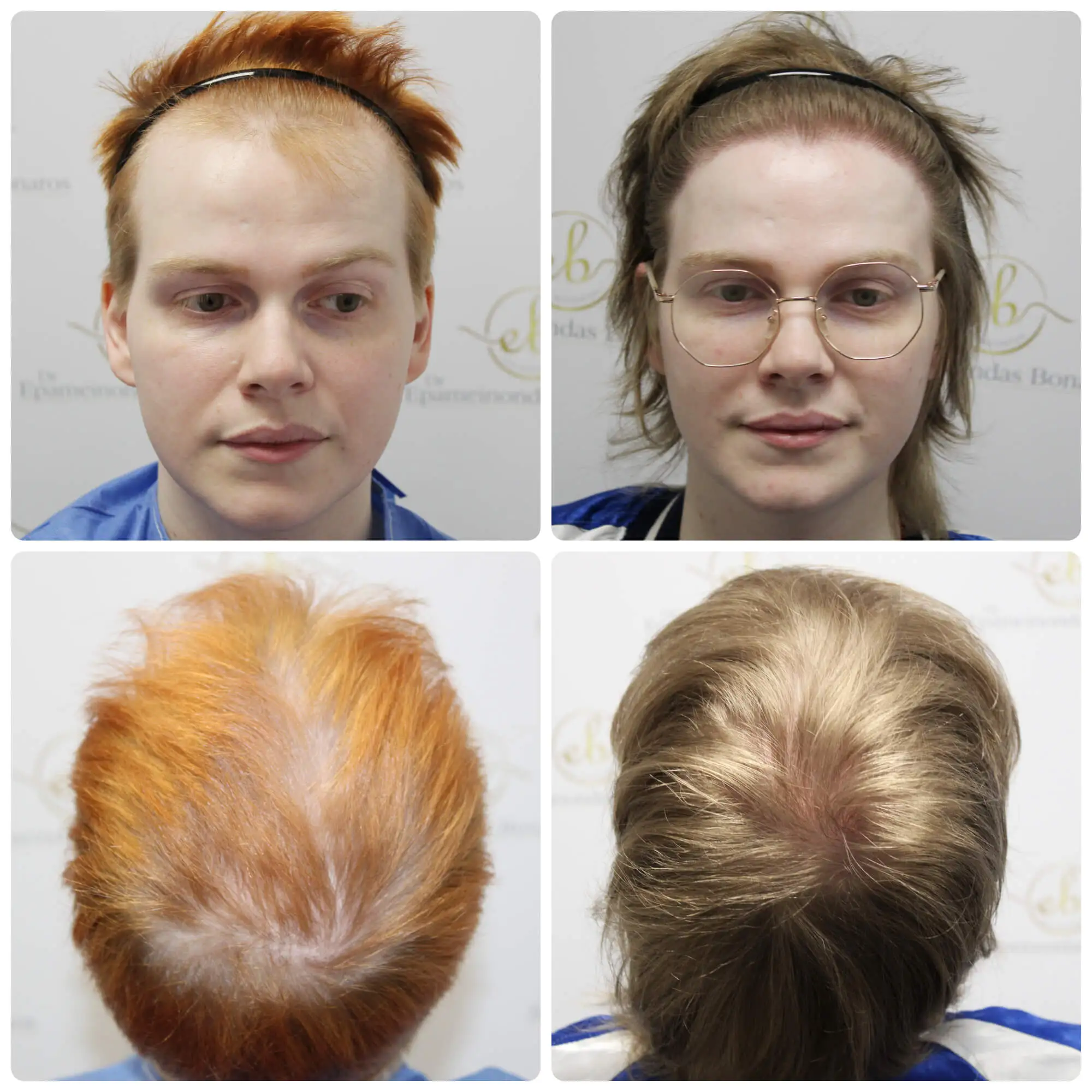
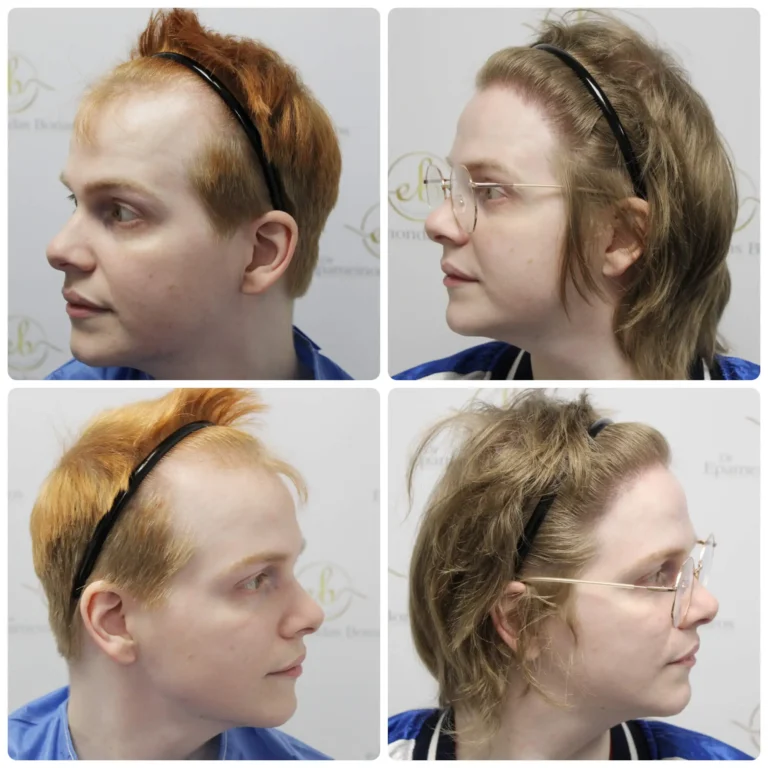
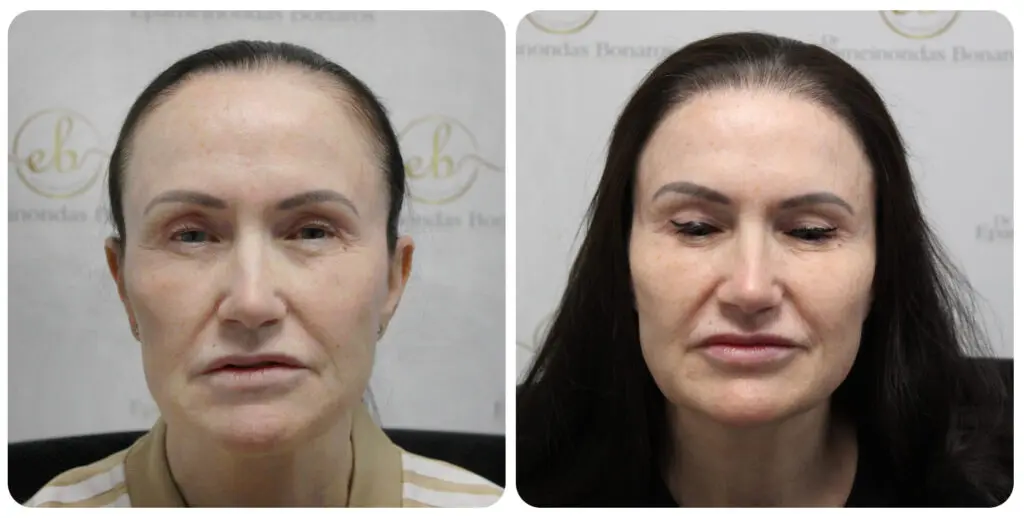
Our transgender hair restoration surgery can help you achieve a softer, more feminine hairline to enhance your desired appearance.

During the transgender hair transplant surgery, we use hair grafts from your donor area to establish a new, more feminine look that blends with your natural hair growth pattern.

Existing Hair Conditions

Hormone replacement therapy counteracts natural male pattern hair loss caused by dihydrotestosterone (DHT). This means that some naturally occurring effects of this hormone significantly decrease as your oestrogen levels increase.  

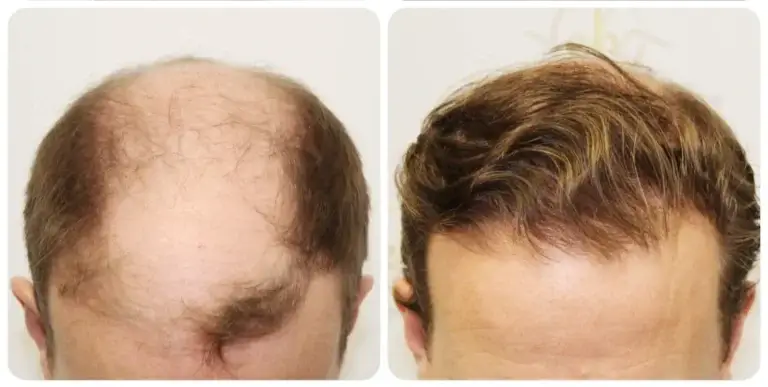
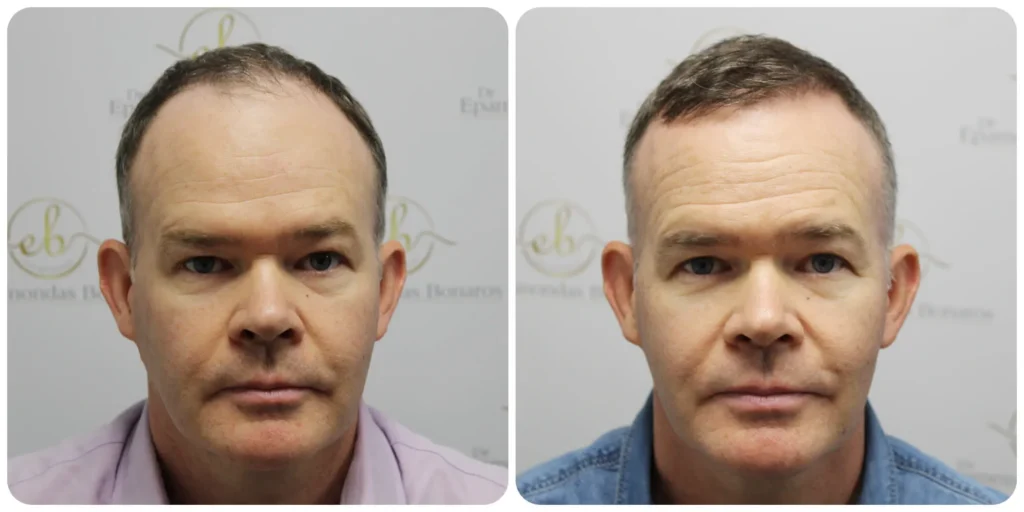
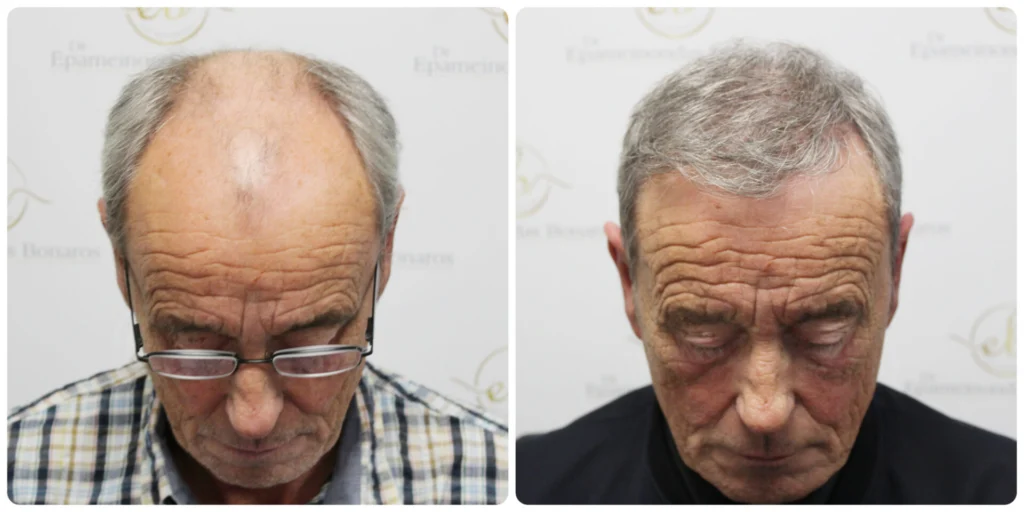
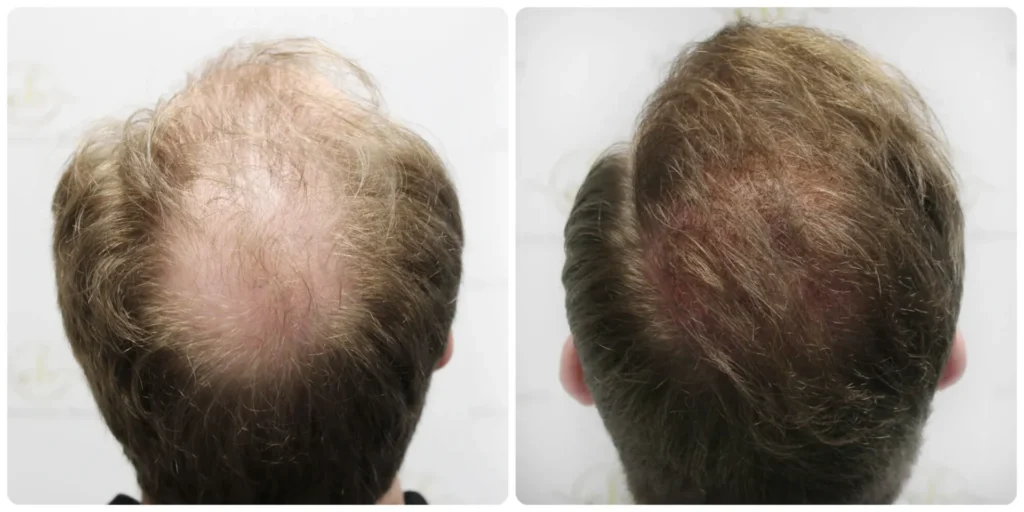
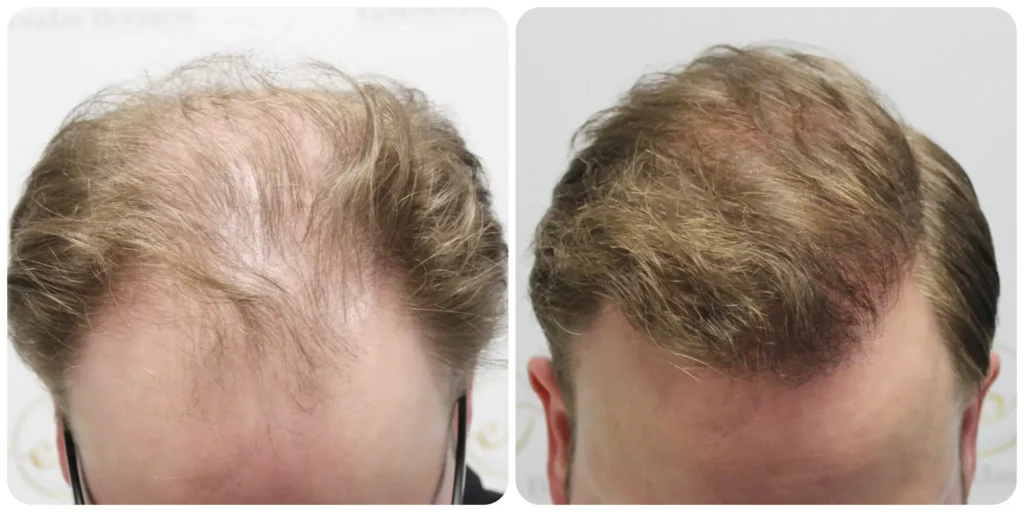
However, if you have existing thinning areas or pattern baldness, our transgender hair transplants can help you restore hair. This may involve hairline lowering or filling out areas where you have experienced balding.

Balding Hair Transplant Surgery

Males are more naturally prone to baldness. The natural, masculine hairline creates an “M-shape” at the top of the head, which is often where hairline recession starts. 

While medications and topicals can help, an MtF hair transplant fills in these areas to create a fuller, rounder look.

Transgender hair transplant

Thinning Areas

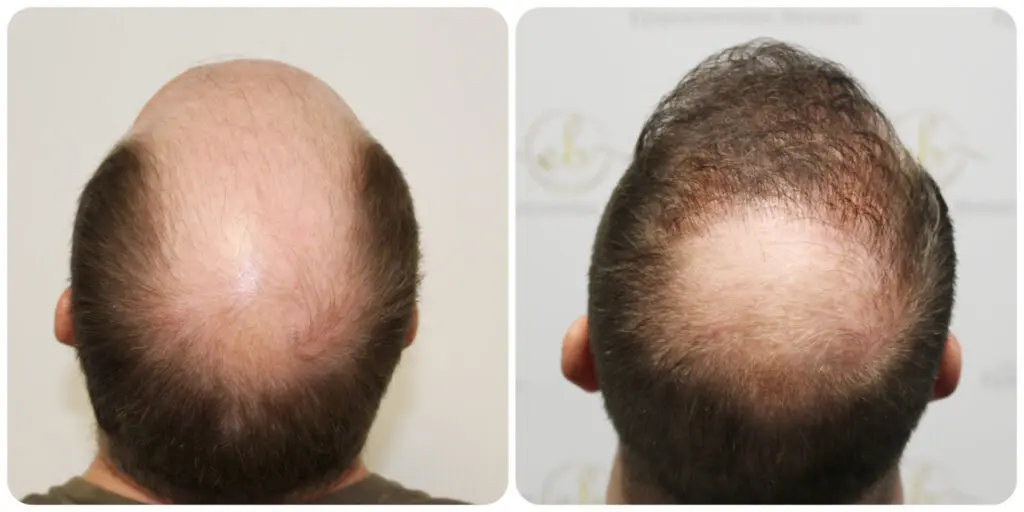
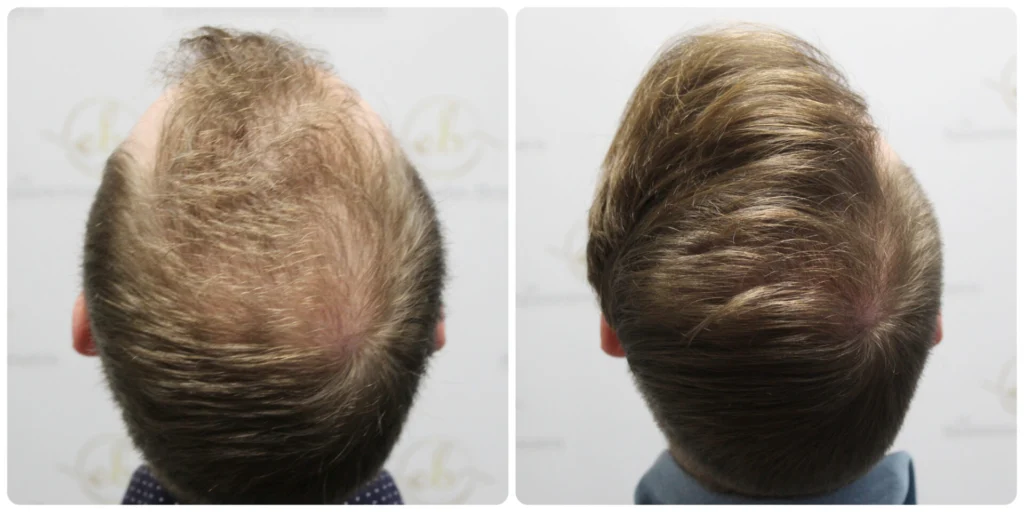
Dihydrotestosterone (DHT) is the primary hormone that leads to men losing hair. When transitioning from male to female, the natural tendency to lose hair will decrease, but the existing thinning areas will remain. We can help reduce the appearance of hair thinning by filling out the hair with a hair transplantation.

Patient Testimonials

The MtF Journey with a FUE Hair Transplant

Follicular Unit Extraction (FUE) method is a minimally invasive technique that harvests healthy hair follicles from other areas of your scalp or body under local anaesthesia. Dr Bonaros implants individual hair follicles to promote natural-looking hair growth and achieve your aesthetic goals.

As part of our FUE hair transplant procedures, we offer:

  • MtF hairline surgery is a transplant procedure for hairline lowering to achieve a more feminine face shape. It is also ideal for patients with a receding hairline in the early stages.

  • Crown hair transplants can be coupled with other procedures to ensure that your transgender hair surgery gives you a full head of beautiful hair. 

  • Mid-scalp hair transplants are ideal for MtF hair transplant candidates with an excessive receding hair pattern.

  • Temple hair transplants play an essential role in framing the face and visually reducing the length of the forehead.

There are several advantages of the FUE implantation method, such as:

  • No linear scarring

  • Minimally invasive

  • Quicker recovery time and less discomfort

  • Minimal scarring that is virtually undetectable 

We utilise the WAW Duo FUE system. This minimally invasive technology helps create a softer, more feminine hairline by allowing precise follicle extraction for natural and aesthetically pleasing results for your overall appearance.

These are some of the considerations that we take into account when designing and performing a hair transplant for a transgender patient (MtF):

transgender hair transplant dr bonaros

Feminine Hairline Redesign

Male and female hairlines are different. A female hairline is rounder above the forehead, curving down to the temples. Our expert analysis of your face shape enables us to pinpoint precisely where hair restoration surgery should be applied to achieve a more feminine look.

Thinning Hair Crown Enhancement

FUE hair transplants can help improve the natural appearance of your hair type by restoring the density of hair to make it appear thicker. This involves taking healthy follicles from denser areas and implanting the donor hair in the crown.

Hair Characteristics & Flow

During an FUE transplant, hair can be transplanted at a certain angle that blends most naturally with your own hair direction while still creating a more feminine appearance.

Transgender hair transplant

Improving Hair Growth with Medication

There are medications that may help with male pattern hair loss in transgender patients. It’s important to note that medication is not a permanent solution and that hair loss is likely to continue after discontinuing the medication.

Disclaimer: This content is meant for informational purposes only and is not a substitute for professional medical advice. You should consult with a registered specialist before beginning any new treatment plan.

Minoxidil

It is theorised that minoxidil increases blood flow to the scalp and follicles, promoting stronger and thicker hair growth. The topical ointment is available over the counter and may work for patients with mild androgenetic alopecia. It is applied to the affected area to help prevent hair loss by increasing blood flow. Oral minoxidil requires a consultation to determine the severity and applicable treatment in each case.

Finasteride & Dutasteride

Both of these oral medications for hair loss are only available as prescriptions after a full consultation with a medical doctor. These tablets work by preventing the conversion of testosterone into Dihydrotestosterone (DHT). DHT binds to androgen receptors in hair follicles, which causes them to shrink and die. By inhibiting the production of DHT, these medications help reduce or stop hair loss.

Case Studies

Frequently Asked Questions

Just like gender reassignment surgery, an MtF hair transplant is a big step in your transition journey. We have compiled answers to some of the most frequently asked questions from our transgender patients to help you decide if this treatment is right for you.

Not necessarily. You don’t always need fully stable hormone levels before considering a long-term solution like a hair transplant.

During your transition, medications such as finasteride or dutasteride may help protect your existing hair and support hair density. These medications can be helpful if you’re experiencing hair loss and want to plan ahead.

You may be able to move forward sooner than expected, but we cover this during your initial consultation. Your healthcare provider or endocrinologist can help personalise the timing and medication choices for your needs, as every transition journey is different.

Disclaimer: The information provided here is general and should not be taken as personal medical advice.

Yes, FUE is a permanent solution. However, it is important to note that hair transplants do not prevent future hair loss from occurring in other areas around the transplant site.

While most patients can return to work and regular activities within a week, the complete healing process can take a few weeks.

Timeline & Recovery

Swelling, redness, and scabbing are common but usually subside within the first stage of healing and will last a week or two. During the recovery process, it’s important to prevent any damage to the transplanted hair. Dr Bonaros will provide a full aftercare guide to ensure the best possible outcome.

In general, male-to-female (MtF) patients can expect regrowth approximately three months after their final appointment. However, every candidate is different, and results are dependent on the volume of your hair transplantation procedure.

After six months, your new hair should be blending seamlessly with your original hair, and you can grow it out into the hairstyles you’ve always dreamt of.

Transgender hair transplant

You can expect a MtF hair transplant to cost anywhere between £5000 to £12000 or more at most Glasgow hair transplant clinics.

Transgender Hair Restoration Prices

The price is calculated by the number of grafts (hair follicles) that need to be supplied. So the final cost can only be provided once you have had a consultation with Dr Bonaros and the extent of your procedure has been finalised.

We also offer 0% finance options to help you feel like yourself and get a hair transplant without delay. 

Depending on the amount of grafts required, hair restoration surgery can take over one or two days. Each procedure is performed with a local anaesthetic, so you will feel very little discomfort during the procedure.

Book a face to face or online consultation with Dr Bonaros to discuss whether this male to female hair transplant is the right treatment for you.

About the Medical Reviewer

This content was written and medically reviewed by Dr. Epameinondas Bonaros, a hair restoration specialist based in Glasgow.

Dr. Bonaros is a GMC-Registered Doctor (No. 7566786), a Diplomate of the ABHRS, and a Full Member of the ISHRS. Dr. Bonaros personally performs every FUE procedure at his clinic to ensure the highest standards of safety and clinical excellence.

Last medically reviewed: December 2025

Our Accreditations