






The Latest Hair Transplant Technology & Treatments Some of the latest hair transplant technologies
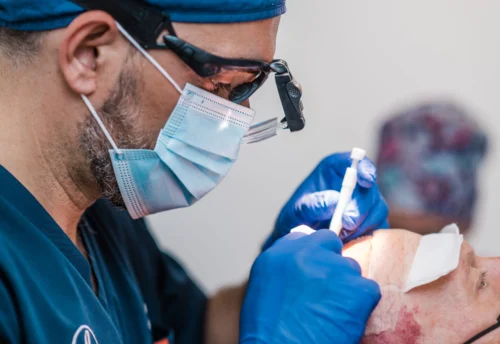
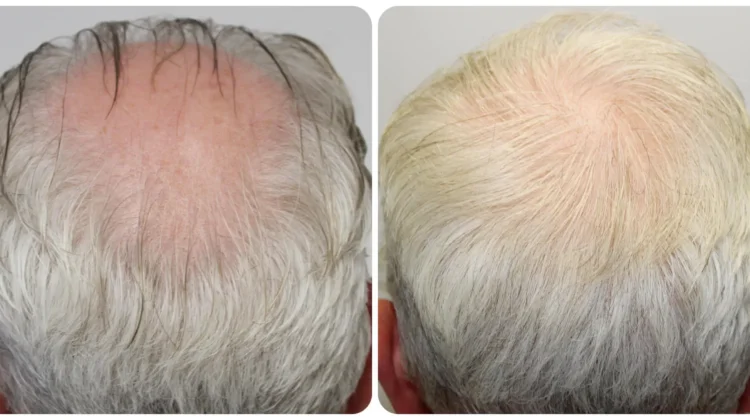
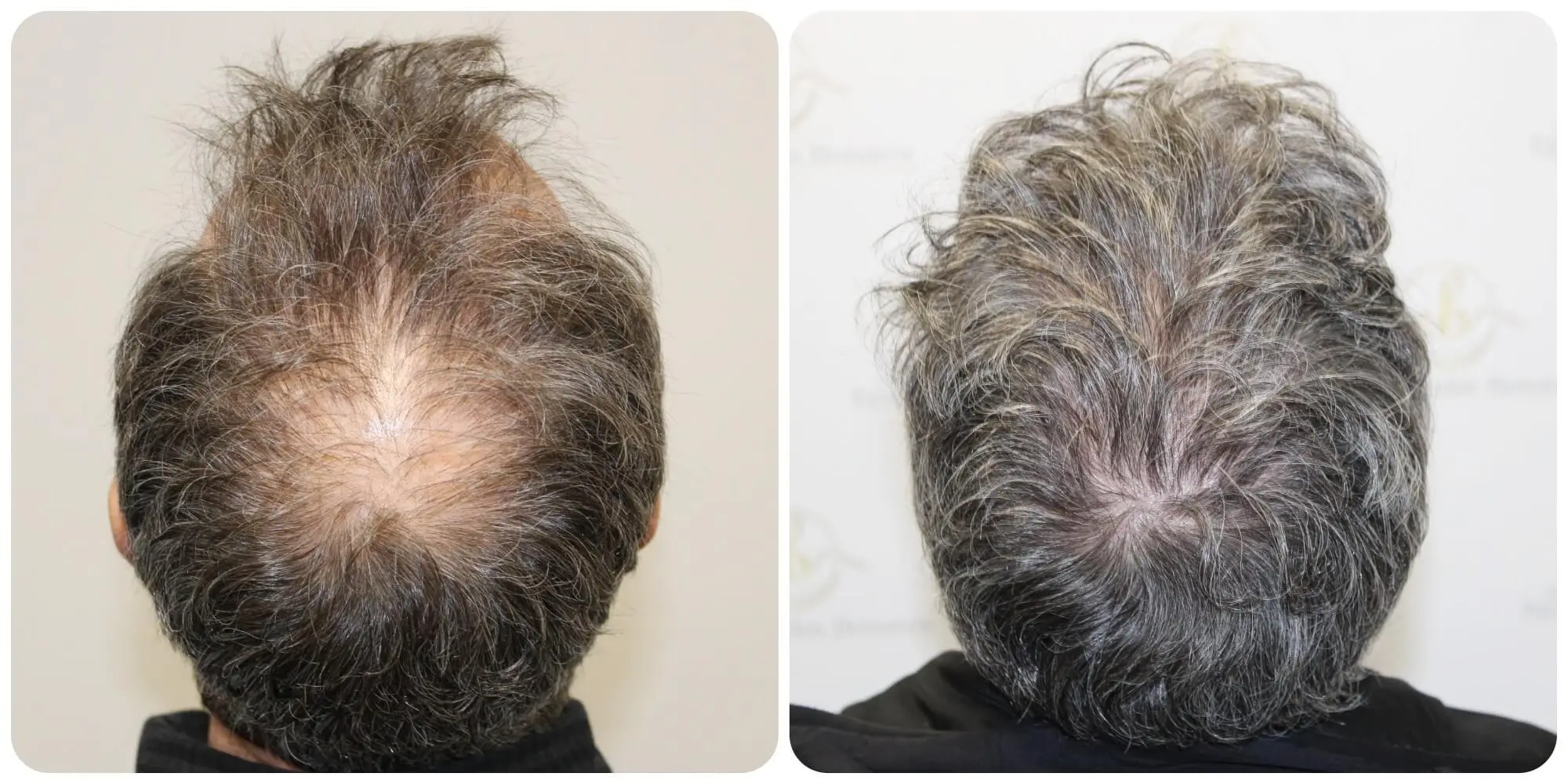
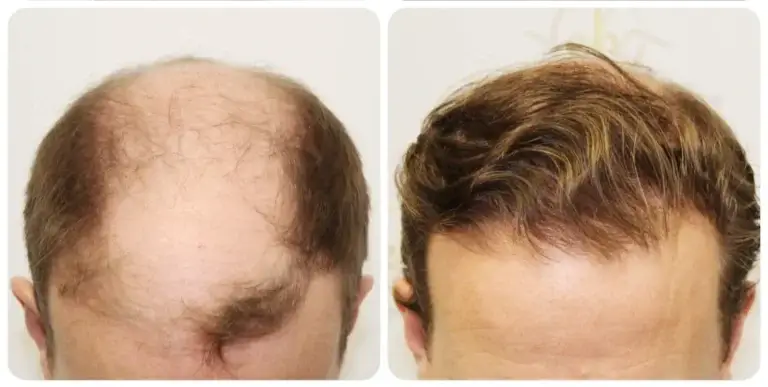
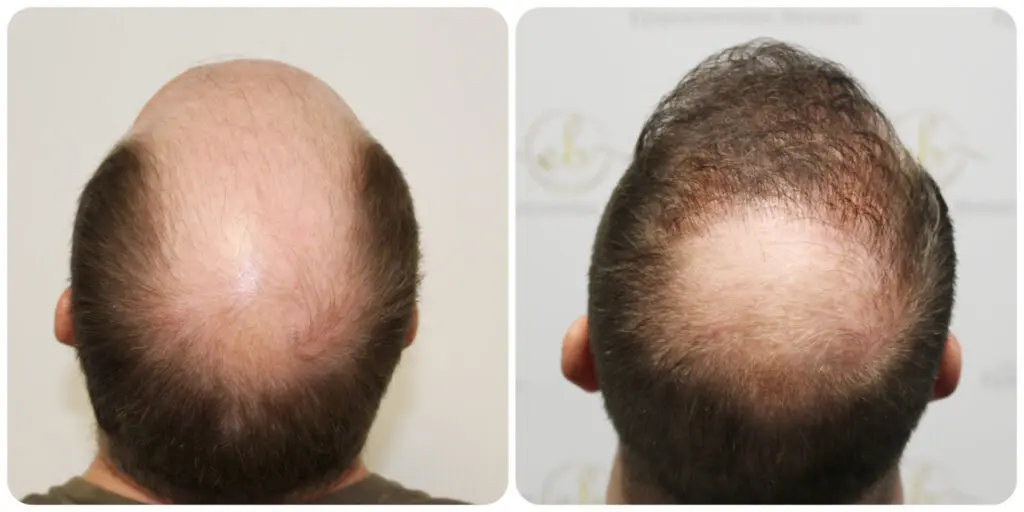
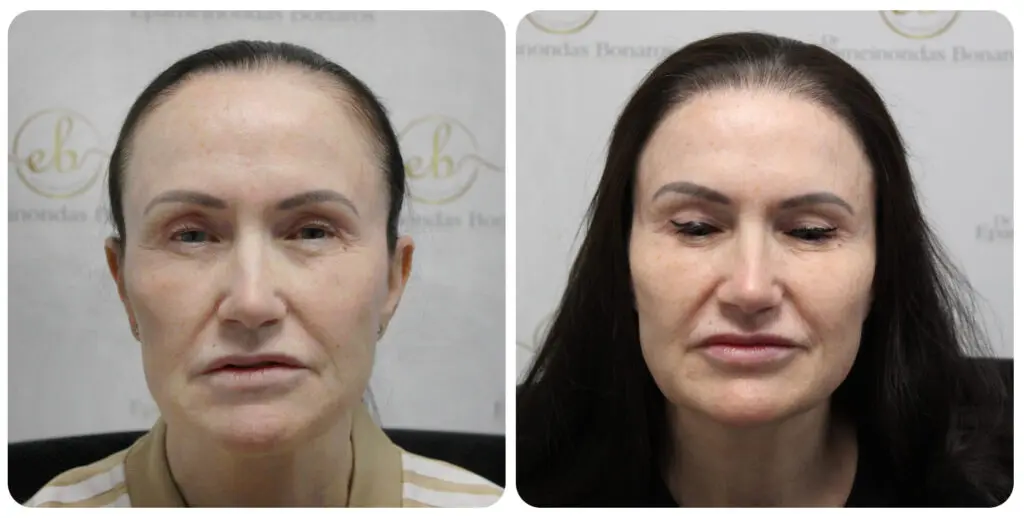
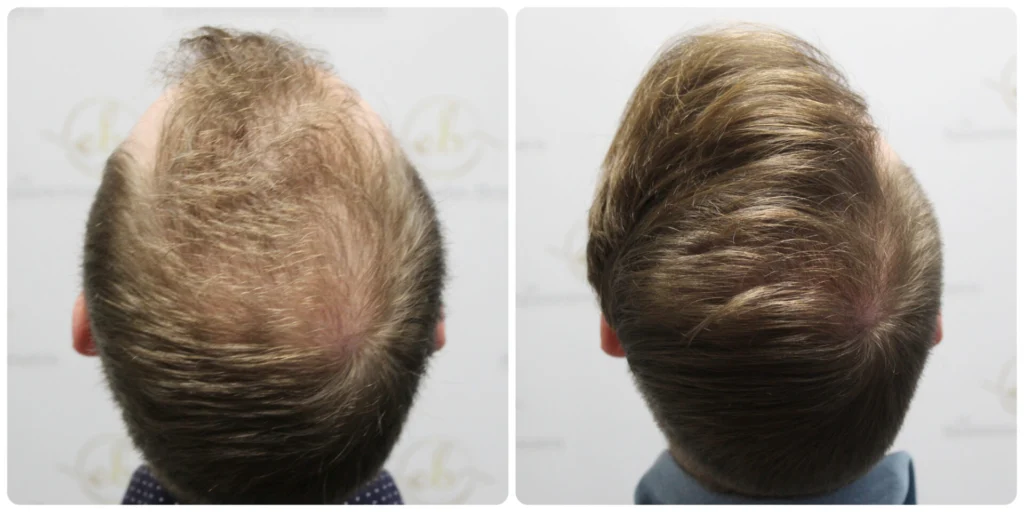
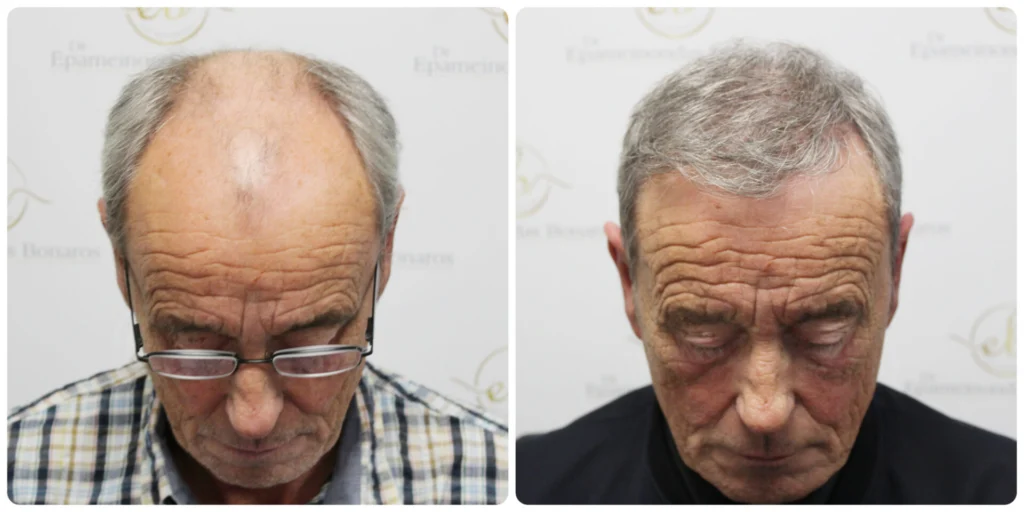
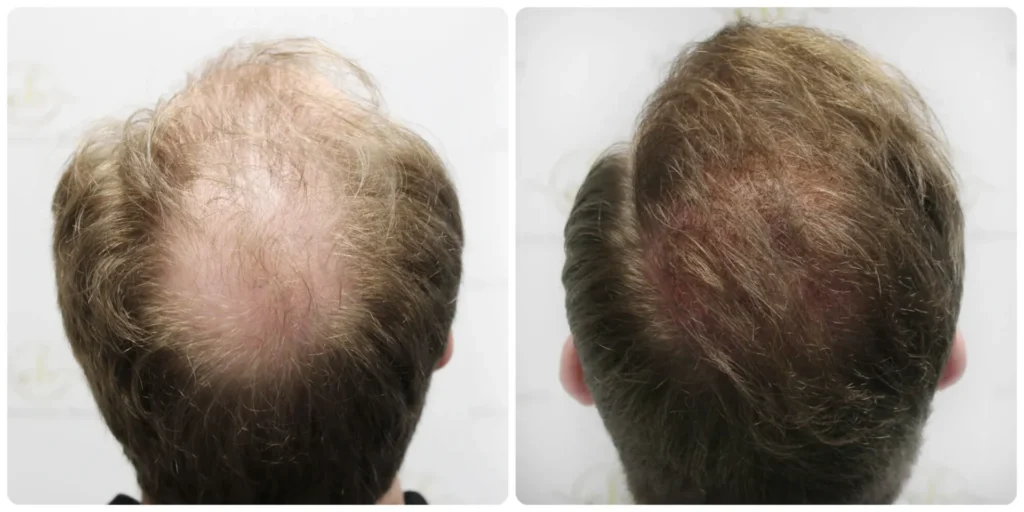
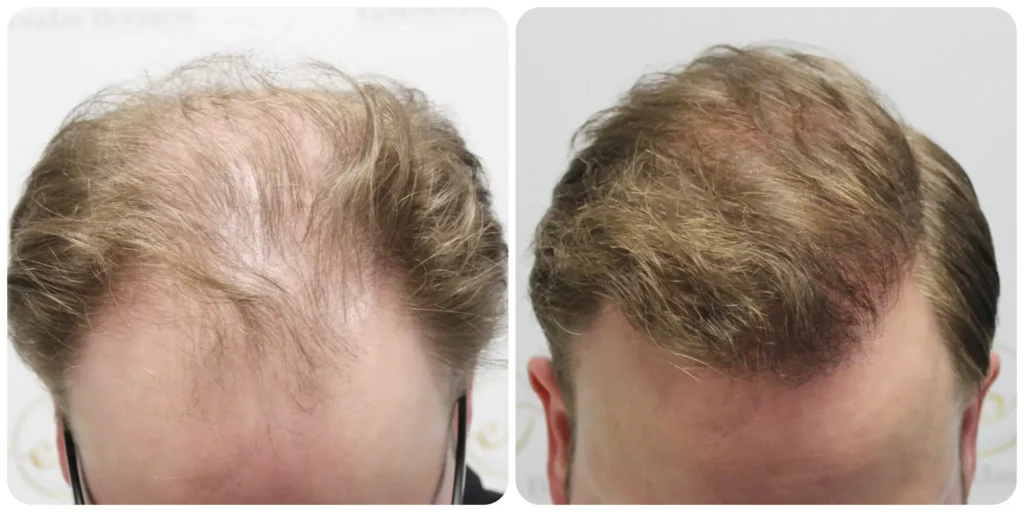
FUE hair transplant surgery is a minimally invasive procedure designed to restore crown density for patients experiencing male or female pattern baldness.
Causes of Crown Hair Loss
Hair loss in the crown can occur as a result of:
- Alopecia Areata: An autoimmune condition often resulting in patchy loss.
Scalp Infections
Scarring (Cicatricial Alopecia): Where inflammation destroys the hair follicle and replaces it with scar tissue.
Androgenetic Alopecia: The most common cause of hair loss globally, clinically termed male or female pattern baldness.