While many conditions could contribute to men’s hair loss, these are a few of the most common causes:
Androgenetic alopecia
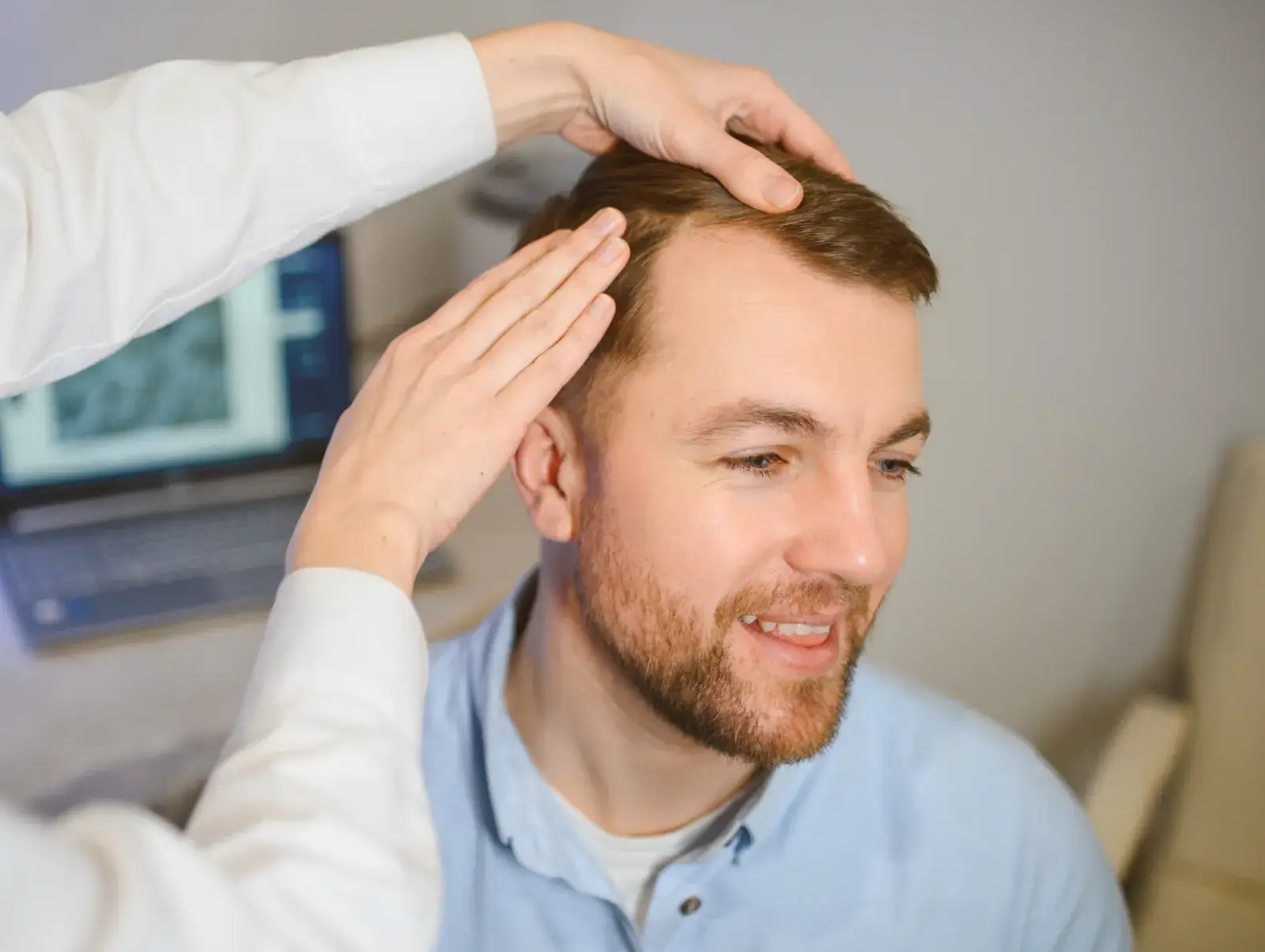
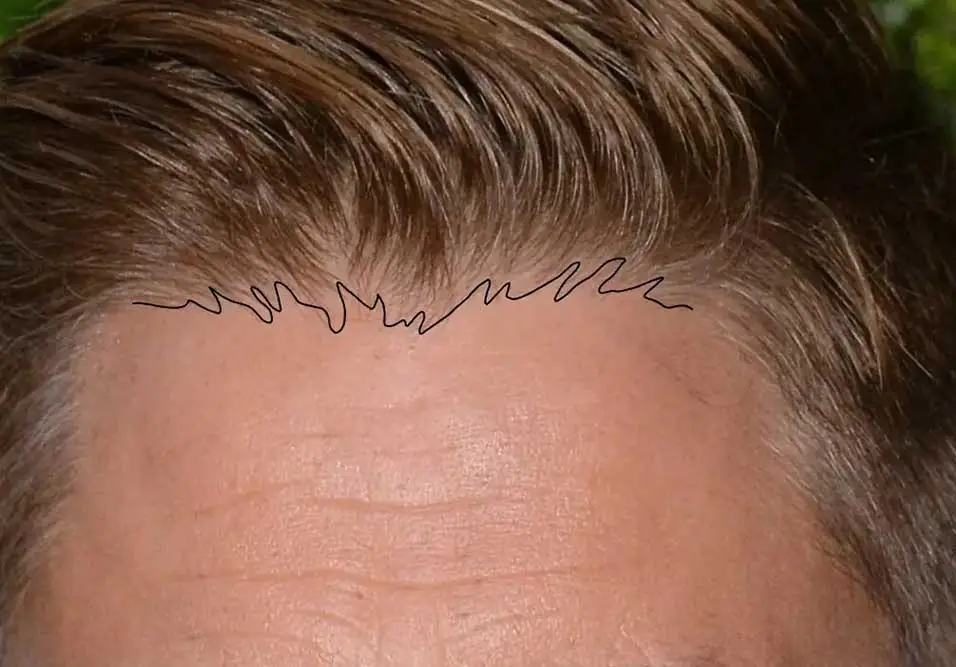
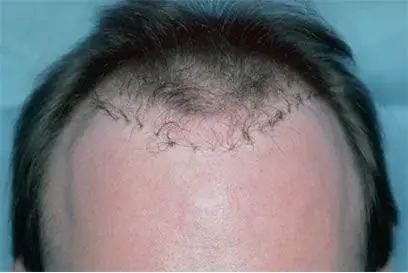
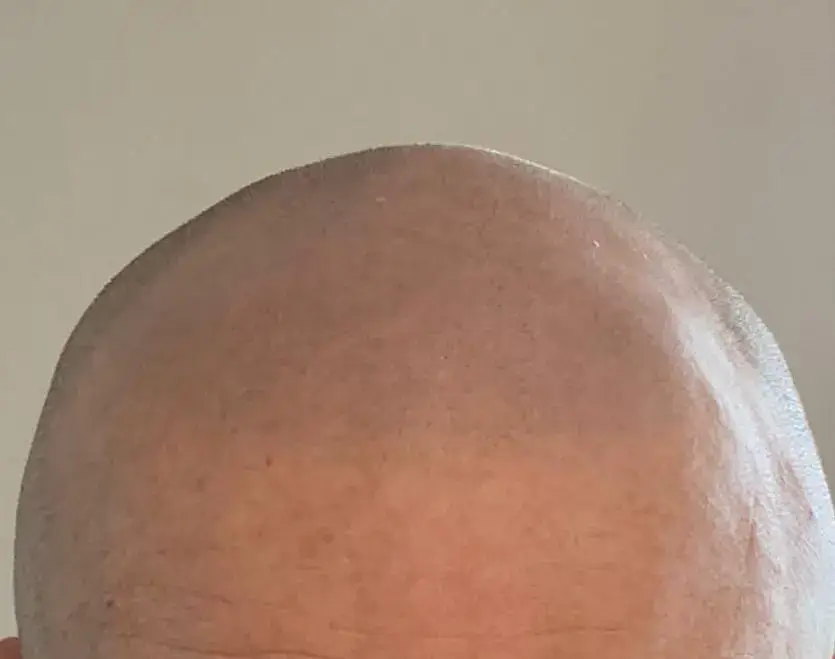
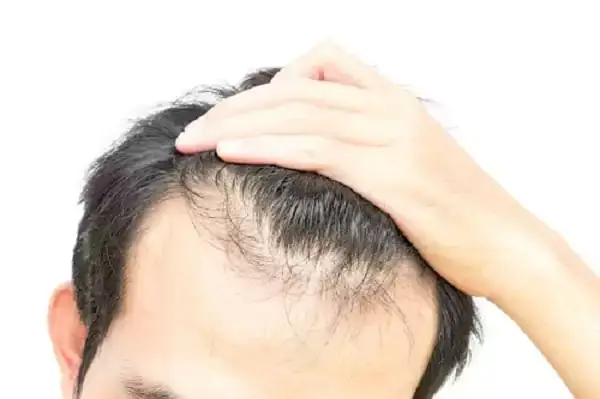
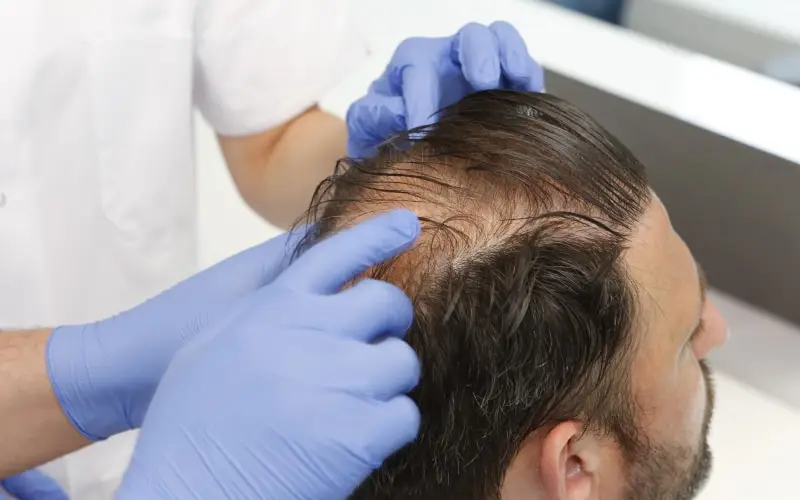
Otherwise known as male pattern baldness, this is the most common cause of hair loss in men, often beginning with a receding hairline or balding on the top of the head.

Alopecia areata
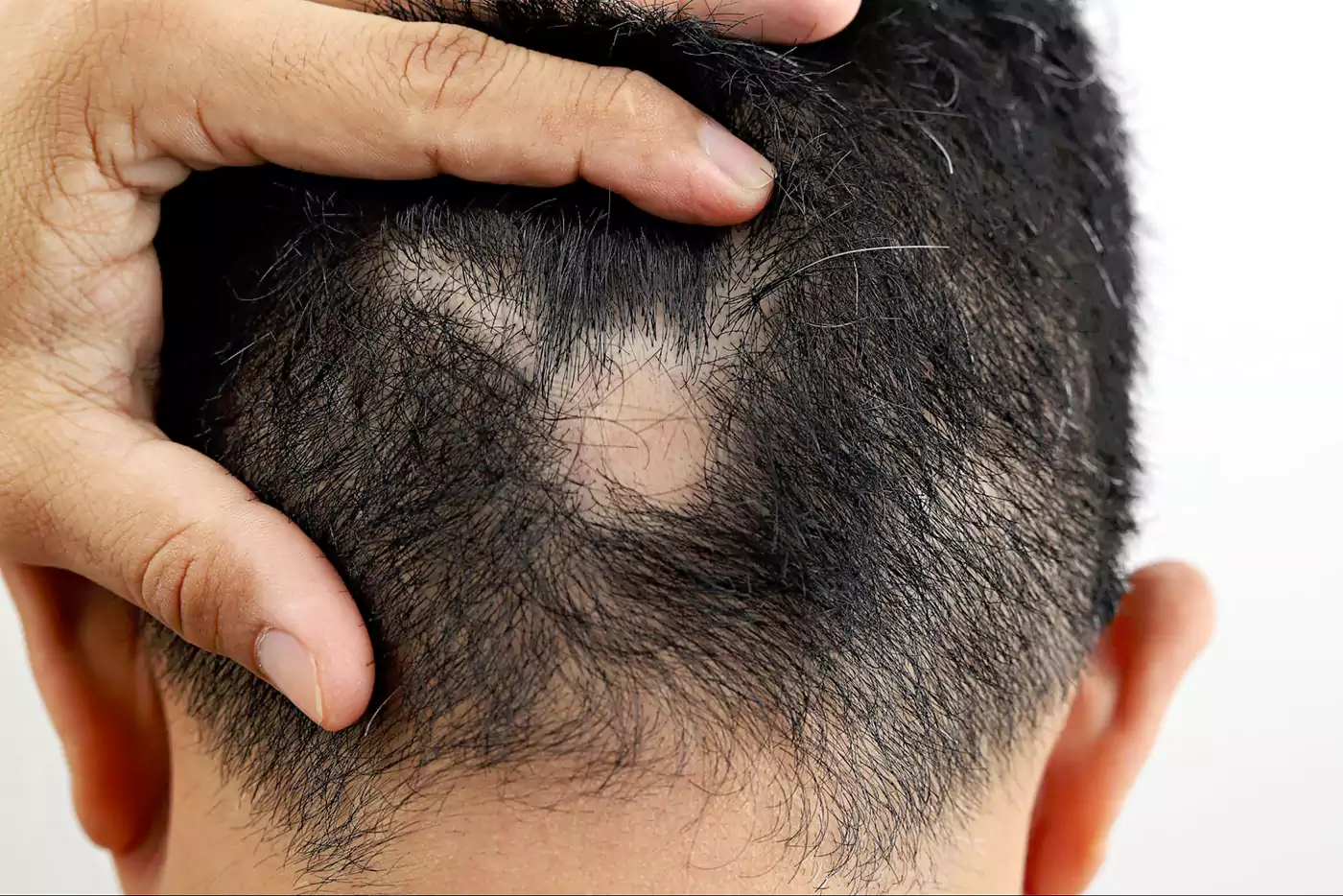
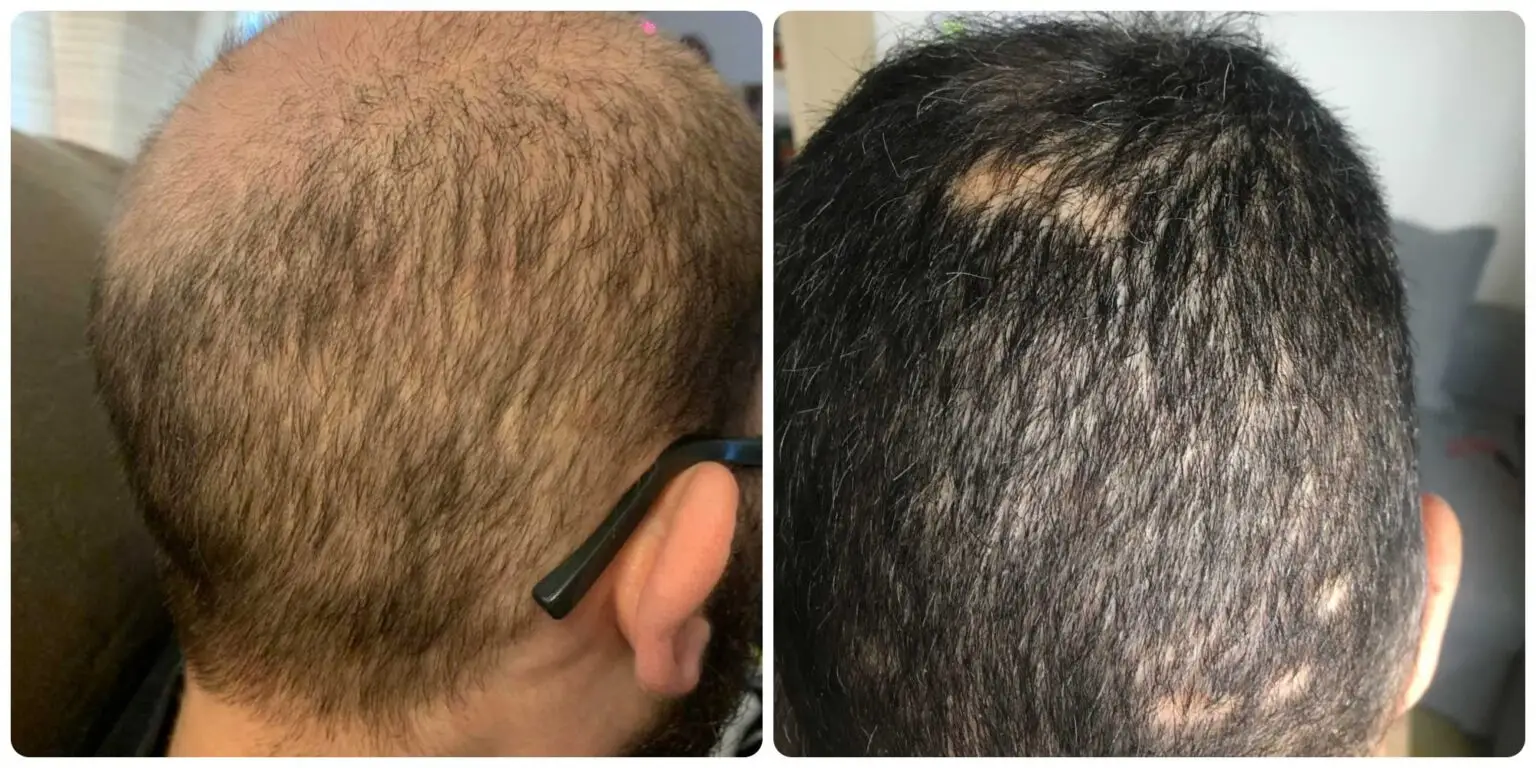
This is an autoimmune disorder that causes patchy loss of hair, from thinning hair to extensive bald areas.
Scarring alopecia
This happens as a result of damage to the hair follicles and scarring on the scalp, often caused by inflammatory conditions or persistent tight braiding of the scalp hair. Patients suffering from alopecia areata or scarring alopecia are generally not suitable candidates for hair transplant procedures.
Telogen effluvium
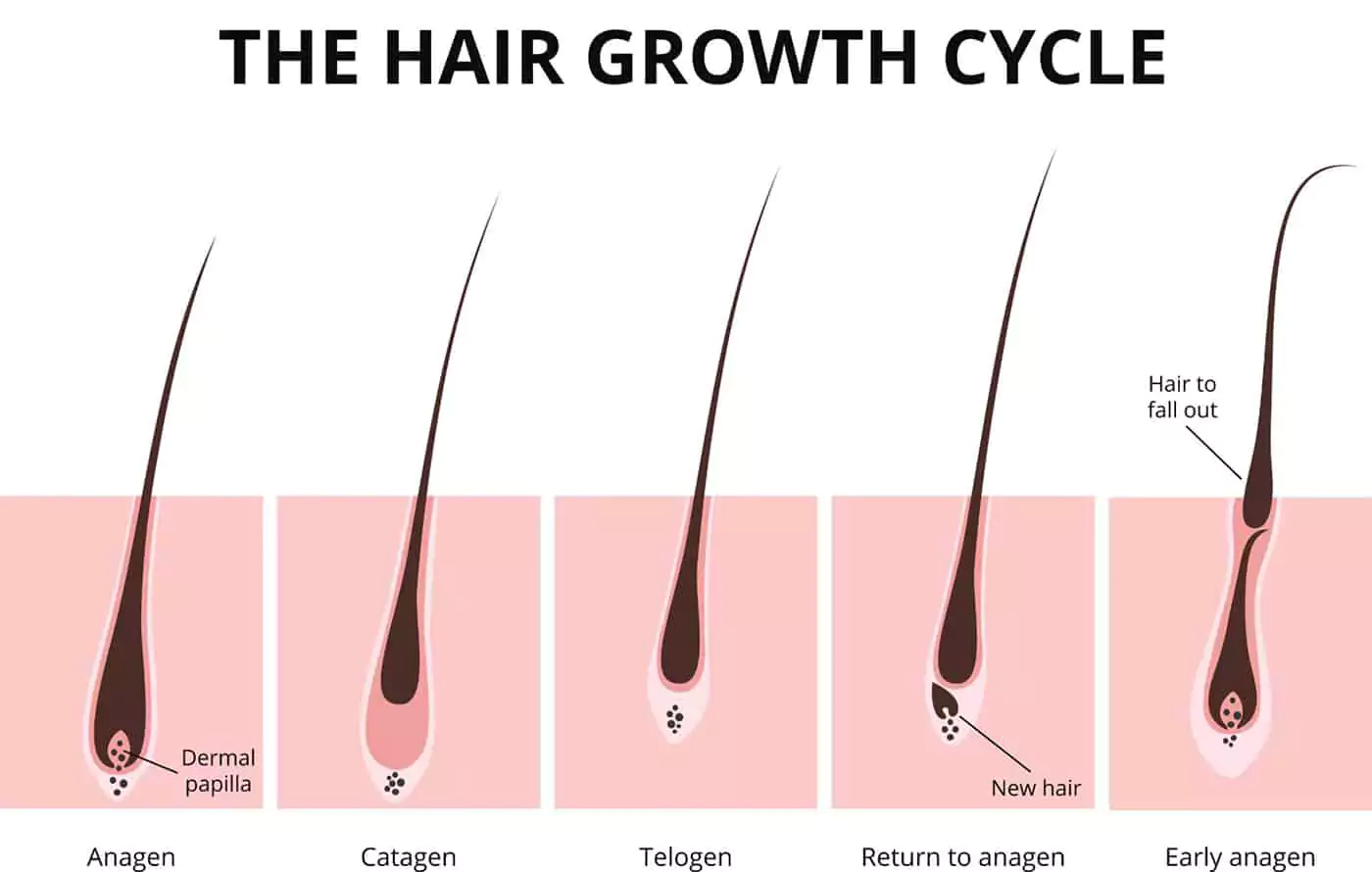
A temporary form of hair loss is typically triggered by significant physical or emotional stress, major surgery, severe infection, or nutritional deficiencies. Hair follicles prematurely enter the resting (telogen) phase, resulting in increased shedding.
Medications
Certain medicines may cause hair loss as a side effect. These include chemotherapy agents, anticoagulants, retinoids, beta-blockers, antidepressants and some anti-seizure medications.
Physical trauma
Burns, severe injuries, or surgical procedures on the scalp can permanently damage hair follicles.
Physical trauma
Exposure to pollutants, harsh hair products, excessive heat styling, and UV radiation can contribute to hair damage and loss.
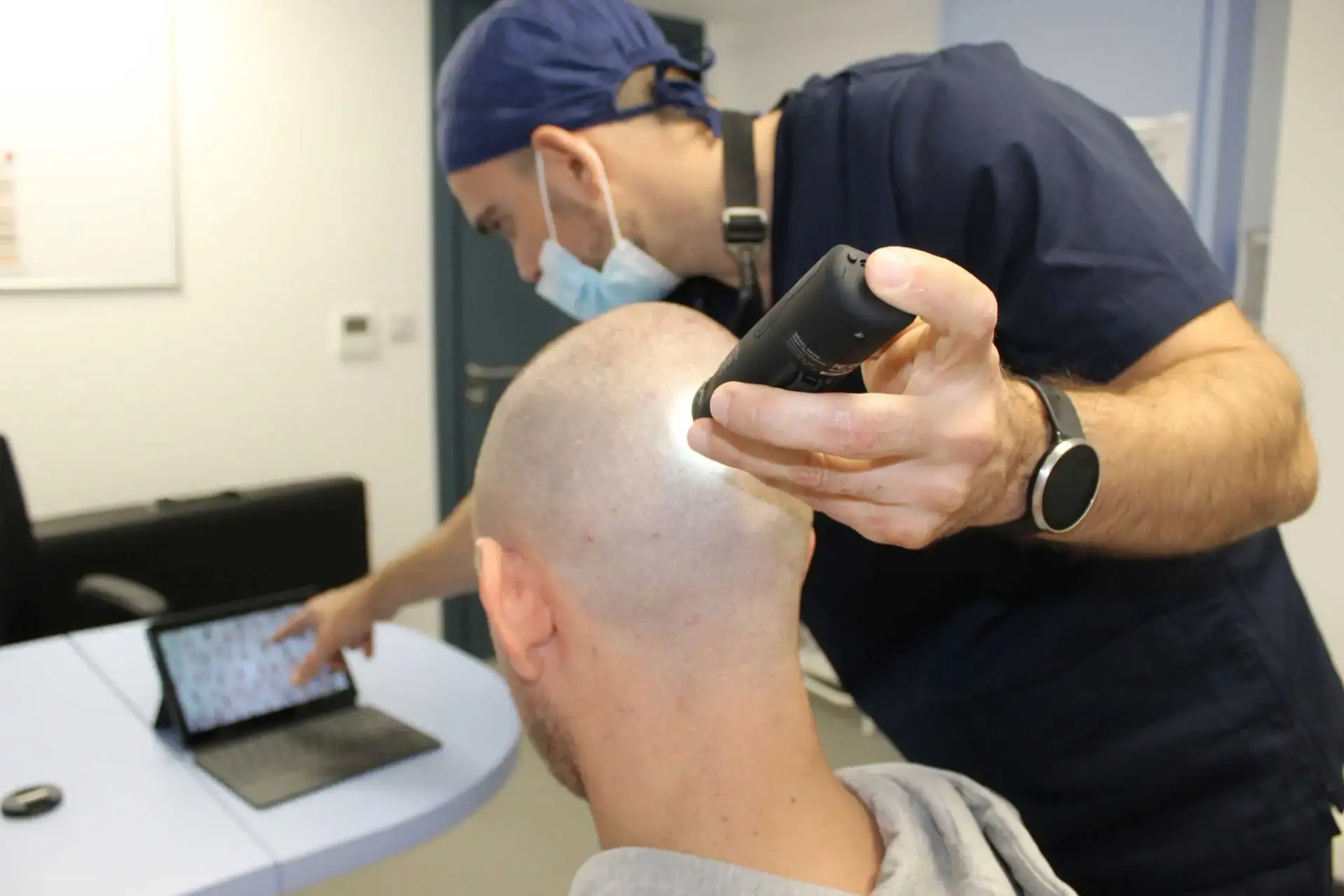
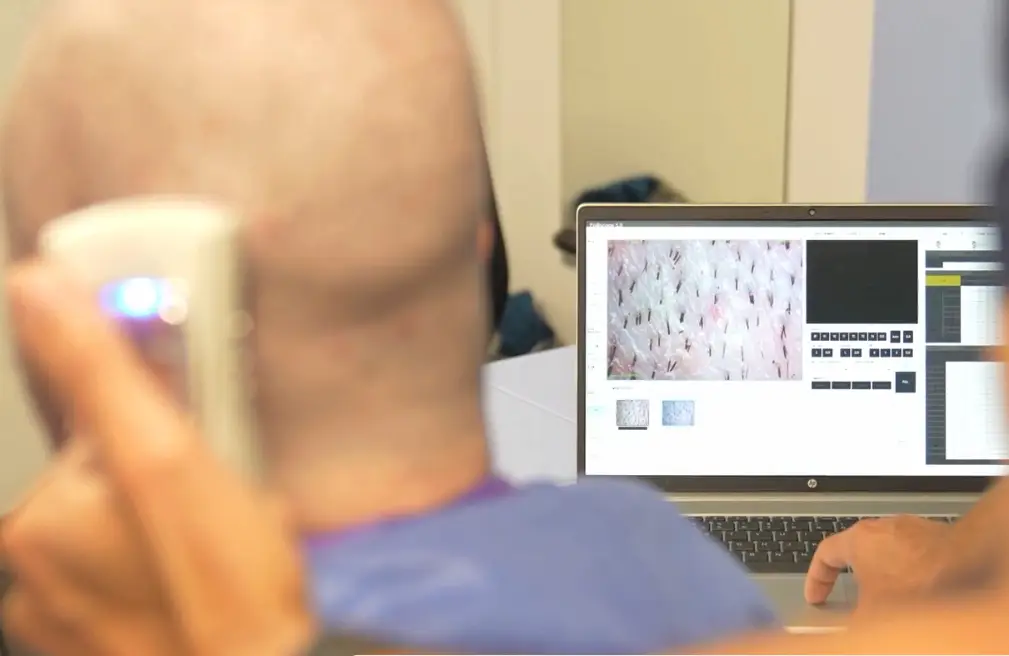
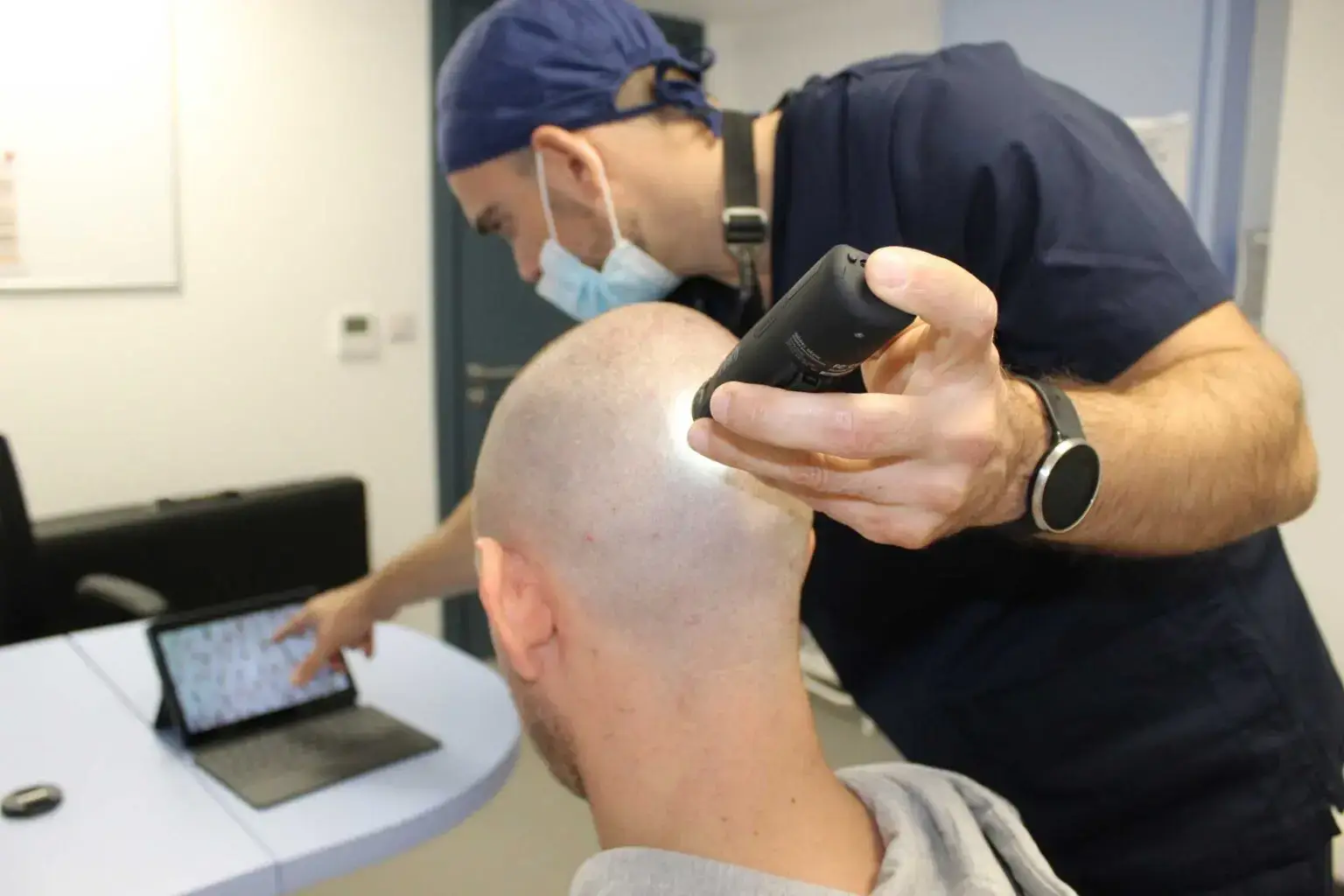
Book a consultation with Dr Bonaros for a diagnosis and tailored treatment plan.